
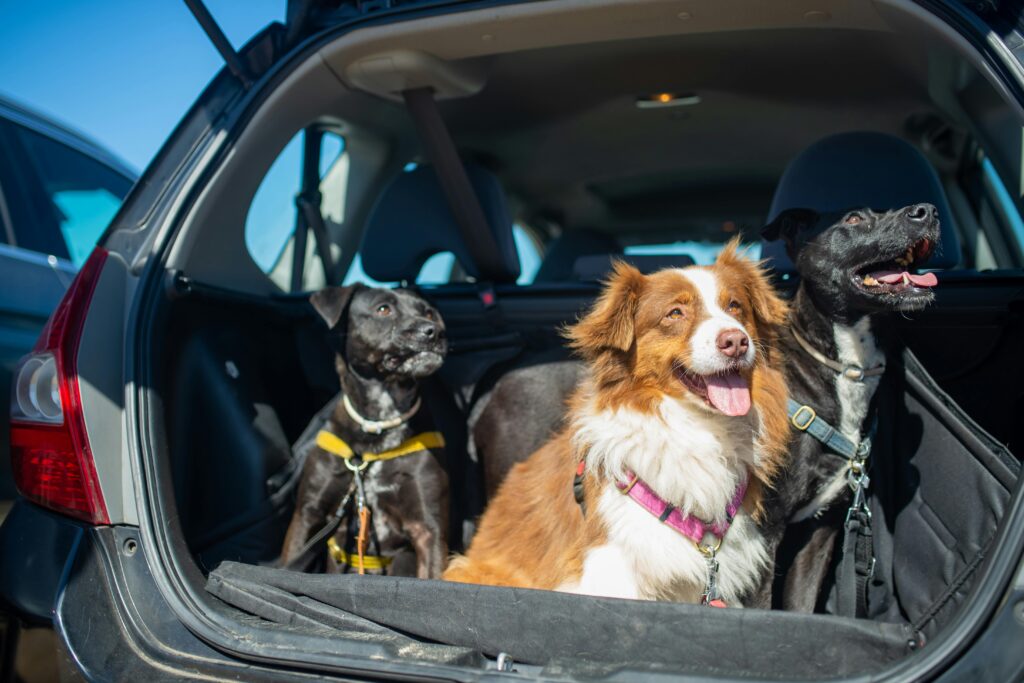
While traveling with your pet can be a wonderful adventure, it requires careful planning to ensure that your pet travels safely and comfortably. Whether you’re taking your pet on a brief drive or an extended road trip, it’s essential to provide your pet with proper restraints, allow for regular breaks to prevent excessive fatigue and stress, and maintain a calm environment within the vehicle to minimize potential risks of injury or illness. Most travel-related problems occur when pets are unprepared or unrestrained in the vehicle.
Safe travel involves three main elements: safety in the vehicle, comfort during the trip, and preparation before travel.
Before You Travel
Preparation is the key to ensuring a safe and successful trip. Pet owners should give their pets gradual exposure to car travel, especially if the pets don’t regularly accompany their owners in the vehicle. Owners who wish to expose their pets to car travel should begin with short practice trips. Such practice will enable their pets to acclimate to the new sensations associated with traveling by car (i.e., movement, sounds, etc.) as well as assist their pets in becoming accustomed to sitting within the confines of a vehicle.
Additionally, it is recommended that pet owners consult with their veterinarian before embarking upon long-distance travel. While many pets are capable of enduring long periods of travel without incident, there are certain health concerns (especially among older pets) that could potentially create problems for your pet during travel. Your veterinarian can evaluate your pet’s health status and recommend any necessary vaccinations and identification tags, as well as advise you on how to address any concerns they may have regarding your pet’s ability to endure long periods of travel.
Finally, packing the essentials (water, food, waste bags, leashes, blankets, etc.) will assist in making your pet more comfortable and secure during travel.
Safety Inside the Car
One of the primary errors that pet owners commit is failing to restrict their pet’s mobility within the vehicle. This can pose a danger to both the pet and the driver. In order to provide maximum protection for both you and your pet, it is highly recommended that you restrain your pet in a secure manner.
The most commonly accepted method of restraining a pet inside a vehicle is through the use of a secure travel crate. For smaller to medium-sized pets, these crates offer the greatest amount of security. The crate should be constructed of durable materials, be well ventilated, and allow your pet sufficient room to stand, turn around, and lie down. Furthermore, the crate should be secured to prevent shifting during sudden stops or sharp turns.
Alternatively, another acceptable form of restraint is a crash-tested harness connected to a seat belt system. Although providing less support than a travel crate, this type of restraint provides ample protection for your pet while still allowing some degree of freedom of movement. However, loose collars should under no circumstances be employed as a means of securing your pet inside the vehicle due to the high risk of severe neck injuries resulting from rapid deceleration.
Your pet should never be permitted to ride in the front passenger seat or be allowed to protrude their head through an open window. Both of these practices significantly increase the chances of injury from collisions or debris entering the vehicle from the exterior.
Comfort During Travel
Maintaining a comfortable environment within the vehicle directly contributes to minimizing your pet’s level of stress. Maintaining a stable interior temperature and limiting exposure to extreme noise levels or abrupt movements can greatly contribute to creating a smooth ride for your pet.
In addition to maintaining a comfortable environment within the vehicle, regular stops are also vital, especially for longer journeys. Allowing your pet to exit the vehicle at least every two hours enables him or her to stretch, hydrate, and relieve himself or herself. These regular breaks will assist in alleviating anxiety and motion sickness caused by prolonged exposure to vehicular travel.
Providing nutrition for your pet during travel must be done cautiously. Heavy meals consumed immediately preceding travel can result in stomach upset and or nausea. On occasion, feeding light meals several hours prior to departure may prove beneficial.
Managing Stress and Behavior
Many dogs exhibit signs of anxiety or stress while traveling, particularly if they have had little previous exposure to automotive travel. Some common manifestations of stress may include whimpering, panting, drooling, and restlessness. Exposure of your dog to automobile travel at increasingly greater intervals will ultimately aid in diminishing the anxiety experienced by your dog.
As previously stated, bringing along items familiar to your dog (e.g., blanket, toy bed) may provide reassurance. Frequently cited research indicates that familiar scents exert calming effects on animals.
Driving calmly will likewise produce a favorable impact on your dog. Avoidance of erratic braking, sudden turns, and motion fluctuations will reduce your dog’s likelihood of experiencing motion sickness anxiety.
Long Distance Travel Tips
When engaging in long-distance travel, the importance of establishing routines related to stopping (hydration rest) becomes even more pronounced. Establishing routines will assist your dog in adapting more readily to extended durations of travel.
Avoiding leaving dogs unattended in parked vehicles, even temporarily, is crucial. Temperatures inside vehicles can rapidly escalate and create hazardous conditions for your dog.
If your dog is inexperienced with extended travel distances, it would be advisable to establish a pattern of building up their endurance through multiple shorter journeys before attempting extended journeys.
Air Travel Considerations
If you plan on flying with your pet, you’ll want to take additional precautions. Many commercial airlines have strict requirements regarding approved animal carrier documents. Depending upon size, many small pets are permissible as carry-ons, whereas larger pets typically need to fly in cargo. Regardless of whether you’re transporting your pet in the cabin or cargo, both types of transportation require approved carriers that meet specified ventilation standards to provide adequate comfort for your dog. Prior familiarity with their carrier before flying will greatly reduce your dog’s stress levels.
Conclusion
Ensuring a safe journey with your dog depends largely on preparing for travel, properly restraining your dog, and providing comfort during transit. By using a secure travel crate or harness, scheduling regular breaks, and maintaining a calm atmosphere inside the vehicle, your pet will likely enjoy traveling far more than if you were to neglect these necessities.