
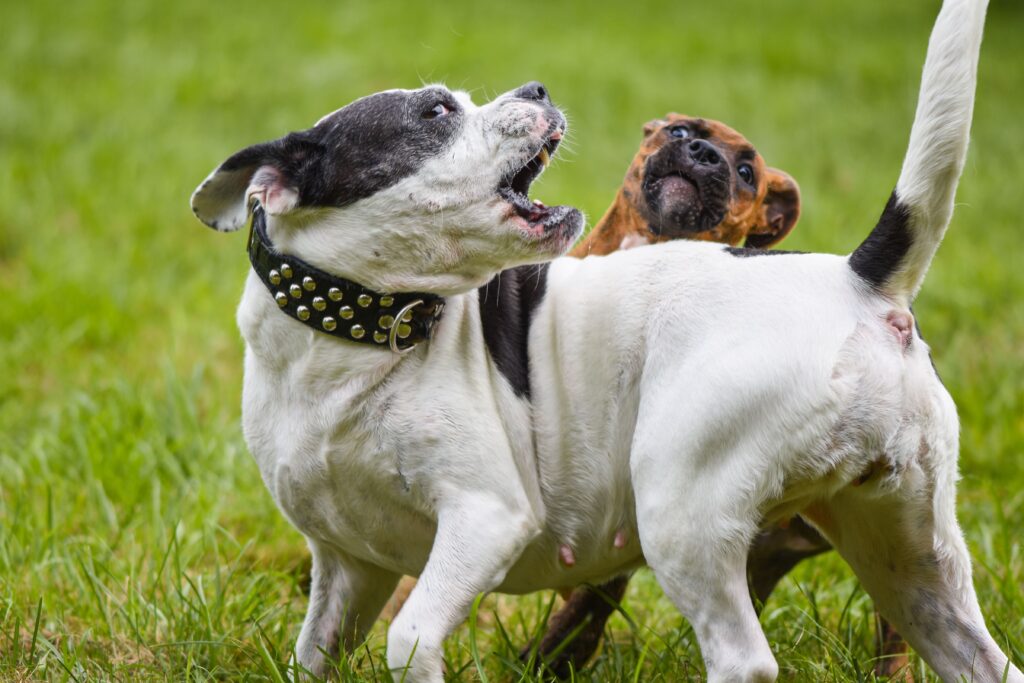
Sudden behavior changes in your pet can be frightening for many owners. What would have been considered friendly behavior by your pet may now appear to be fearful (or even aggressive), anxious or overly quiet. Although these changes may seem unrelated, they generally relate to physical or emotional factors affecting your pet.
Ignoring sudden behavioral changes in your pets is unwise. Your pets express their distress, anxiety or illness through changes in their behaviors. Hiding more than normal, an otherwise social pet, or a relatively non-reactive pet which has now developed reactivity, are all signals that there is a serious issue with your pet.
Identifying the root cause of this behavioral change as soon as possible will allow you to potentially provide the best course of treatment for your pet’s condition. Early intervention is critical, whether the issue is related to an emotional, medical or environmental factor, because it increases the likelihood of a positive outcome and reduces the potential for further exacerbation of the original issue.
Behavioral Changes Related to Medical Issues
Many sudden changes in a dog’s behavior have their origin in some type of underlying medical issue. Since dogs do not always exhibit symptoms of pain, changes in behavior may represent the first indication that there is a problem.
Pain & Injuries
Pain is perhaps the most frequent cause of sudden behavior changes in dogs. Pets exhibiting discomfort due to injury or pain may become irritable, withdraw into themselves or demonstrate aggression toward other animals or people.
Some of the most common types of pain that can result in behavioral changes in dogs include:
- Arthritis Joint problems
- Muscle injuries
- Dental pain
- Internal injuries
- Pain resulting from post-operative complications
Even minor pain can negatively impact a dog’s disposition and behavior.
Hormonal Disorders
Endocrine hormonal imbalances can adversely affect a dog’s level of activity, temperament, and behavior. Some examples of endocrine hormonal disorders that can manifest as personality changes include hypothyroidism and adrenal insufficiency.
When hormonal imbalances exist in dogs, the affected animal(s) may exhibit increased anxiety, lethargy, and reactivity compared to normal.
Neurological Problems
Neurological problems within a dog’s central nervous system (brain nervous system) can also result in sudden behavioral changes. Neurological disorders may impair a dog’s ability to coordinate movement, perceive its environment, and regulate emotions appropriately.
Cognitive Decline
As dogs age, they can develop cognitive dysfunction (similar to dementia). Affected dogs can display confusion, memory deficits, and disorientation.
In addition to forgetting established daily routines, aging dogs can display restlessness at night and or erratic behavior during what were once routine events in familiar settings.
Emotional and Environmental Causes
Some changes in how an animal behaves aren’t related to health. Stressful emotions (such as anxiety) and stressful life circumstances (such as moving) can both greatly influence what animals do.
Stress and Anxiety
Animals are very emotional. Many times, when an animal is stressed, they will exhibit many abnormal behaviors due to some type of stimulus that has caused them stress. Examples of stimuli that may cause stress to an animal include:
- Loud noises
- Becoming separated from the owner(s)
- Moving to a different home
- A large number of people entering/exiting your house (example: guests coming over)
Many animals experiencing stress will show signs such as becoming clingy, fearful, or even aggressive.
Changes in Routine
Most animals benefit greatly from having a structured schedule. Any slight variation to an animal’s scheduled daily activities may create feelings of uncertainty within the animal.
Examples of slight variations which could potentially create negative effects upon the animal include, but are not limited to:
- Changing the meal time for the animal
- Disrupting the regular walk time for the animal
- The owner is changing work hours, and/or working at home instead of going into work each day
- The location where the animal sleeps has been altered
All of these examples could lead to either confusion, and/or other forms of behavioral changes for the animal.
New Pets or Family Members
The addition of a new pet or family member into your household can also negatively affect an existing pet’s behavior. The addition may cause the pet to feel threatened, or it may cause jealousy towards the new individual.
Trauma and Fear
A frightening or traumatic experience can cause sudden and lasting behavior changes. Examples include:
- Accidents
- Aggressive encounters
- Veterinary procedures
- Exposure to loud or scary events
Trauma may lead to fear-based behaviors or avoidance.
Common Behavioral Changes Owners Notice
The changes seen in a dog’s behavior will depend upon the nature of what has caused them and how the dog is generally behaving.
Aggression
An owner may have noticed that their previously calm dog has now developed aggressive behavior as a result of some pain, fear or stress. This could be evidenced by growling, snarling or other forms of protective behavior that were not previously exhibited.
Hiding
Dogs who are feeling sick or stressed may hide. If your dog begins hiding and you’ve not noticed anything else out of the ordinary, take it seriously immediately.
Loss of appetite
Any time your dog stops eating altogether, eats very little, or eats much less than he usually does, there may be one of several reasons why. They could include: illness, stress, or pain.
Barking excessively
If your dog is barking more frequently than before (or at least, more than you would like) without there having been any apparent reason for it, it may be evidence of increased anxiety, confusion, or environmental stress.
Destructive behavior
Dogs may chew, scratch, break things or otherwise engage in destructive behavior because they are bored, anxious or frustrated. There is also a good chance that these types of behaviors will increase once the dog feels insecure or unstimulated.
When to Visit a Veterinarian?
Only a small number of behavior changes require immediate emergency attention, although some circumstances need to be examined by a veterinarian as soon as possible after they occur.
Unexpected aggression
Unpredictable aggression in a dog that has no history of such behavior indicates that the dog may be experiencing either severe pain or neurological issues. It should be evaluated promptly so as to protect both humans and animals and to determine if the aggressive behavior is medically based.
Confusion and disorientation
If you notice that your dog appears confused (gets lost in familiar locations), acts “lost”, seems disoriented or just appears to be “out of it,” then there may be Signs of cognitive decline or neurological disorders developing. As age advances, do not ignore these types of symptoms.
Pain Signs
If your dog is exhibiting any type of limp, excessive sensitivity to touch, whining, reluctant movement, etc., the likely cause for its behavior is pain. An examination by a veterinarian can provide you with the information needed to address and treat whatever is causing the pain.
Changes in appetite and activity level
As a general rule, loss of appetite or extreme lethargy/ fatigue in dogs can indicate illness. When accompanied by any change(s) in behavior and/or activity level, taking your dog to the vet for a check-up is highly recommended.
How to Support a Dog During Behavioral Changes
Although finding the root cause of the behavior change is crucially important, providing support and comfort to your pet while they go through this process is equally important.
Staying on schedule
Helping to maintain a consistent daily routine will help reduce stress and confusion. Maintaining regular schedules for meals, walks and rest periods provides your pet with a sense of security, which will give him confidence about his surroundings.
Reinforcing positive behaviors
By rewarding positive behaviors and actions with gentle encouragement, praise and rewards (such as treats), you will be helping your pet to establish a positive mental state and emotional equilibrium.
Do not punish your pet for engaging in undesirable behaviors. Punishment will only add to your pet’s stress levels and make the situation worse.
Reducing known stress triggers
To promote a stable environment for your pet, it may be beneficial to limit exposure to factors that contribute to your pet’s stress levels. Examples include:
- Creating a peaceful resting space where your pet can safely retreat from stressful stimuli.
- Limiting exposure to loud environments.
- Avoiding unnecessary changes.
- Providing areas for your pet to safely withdraw from stressful situations.
Reducing stress will allow your pet to regain their physical and emotional health.
Conclusion
Many instances of unexpected behavioral changes in dogs indicate that something significant is happening internally with respect to their emotions and/or environment. Because of this, any abnormal changes in a dog’s behavior cannot be ignored, particularly those which appear to have occurred without explanation.
Identifying the problem early and addressing it properly will ultimately lead to resolving the problem successfully. Evaluating your pet by a veterinarian in combination with maintaining a stable home environment and giving your pet adequate emotional support will greatly benefit your pet’s recovery.
Understanding that your pet’s behavior is essentially a means of communicating with you gives you the ability to react appropriately and provide support for your pet. Many dogs can regain their original balance of behavior when addressed promptly and provided with the right amount of support.
Related reading: Why Dogs Bark Excessively, How Weather Affects Dog Behavior and Activity Levels, Separation Anxiety in Dogs