
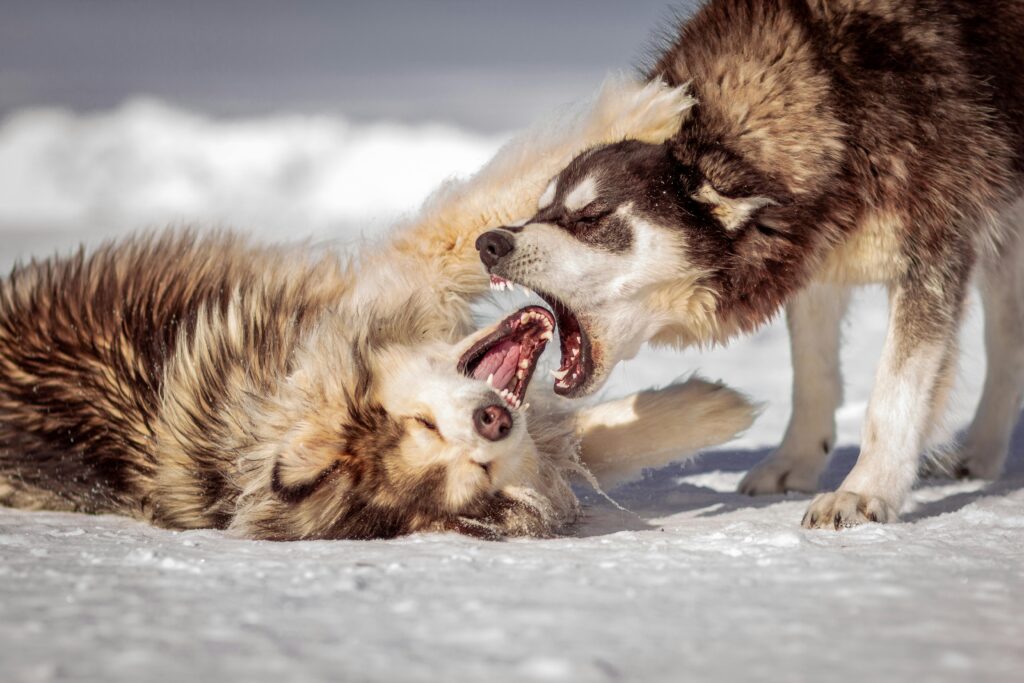
Aggression in dogs is a major problem because aggressive behavior can be scary and dangerous for you and others. Aggressive behavior can be very frightening; however, aggressive behavior is usually caused by fear, stress, frustration, pain, or a sense of insecurity, rather than simply being “bad” behavior.
The first step in effectively managing aggression is to determine what has caused it. The majority of dogs do not suddenly become aggressive without a reason. Many times, aggression develops slowly and will continue to get worse if the aggression-producing source continues to exist and is not addressed.
Early intervention is critical. Early identification and treatment of warning signs and behavioral changes can greatly reduce the likelihood of aggression developing into something much worse. Training, appropriate management, and consultation with a professional, when necessary, can improve many aggressive behaviors.
Common Causes of Dog Aggression
There are multiple reasons why canine aggression develops. Once the underlying cause of the aggression is identified, owners have the opportunity to identify the best methods of safely managing the behavior.
Fear
Fear is one of the most common reasons for canine aggression. Some dogs will exhibit aggressive behavior in order to separate themselves from a perceived threat (i.e., person, pet, etc.). Factors which may contribute to fear-induced aggression include:
- Poor socialization
- Trauma
- Excessive punishment
- Lack of self-confidence
- Inadequate experience with new environments
Many fearful dogs will display defensiveness through body language before exhibiting aggression.
Resource Guarding
Resource guarding refers to the development of aggressive behavior exhibited while defending valued items such as food, toys, bedding, treats, etc. Resource guarding behaviors can vary in severity, including:
- Growling near food bowls
- Snapping when someone approaches them
- Rigid posture when protecting an item
- Blocking access to an object
Resource guarding can range from minor displays of warning behavior to serious attacks.
Territorial Behavior
Some dogs develop aggressive responses towards strangers, visitors, or pets who enter their perception of a designated area or “territory”.
Territorial behaviors typically occur in areas where the dog perceives itself as having ownership rights, such as:
- Around homes
- In yards
- Near cars
- Around the edges of owner property lines
When protective instincts combine with anxiety and or poor training, territorial behaviors tend to worsen.
Pain or Illness
Injury can significantly alter a dog’s behavior. Friendly dogs can also become defensive aggressive when they are injured uncomfortable.
Joints, teeth, nerve damage and organ dysfunction are all examples of conditions that may affect a dog’s demeanor causing increased irritation sensitivity. Sudden aggression should always prompt consideration for potential health issues.
Poor Socialization
Dogs that lacked proper socialization as puppies may encounter difficulty interacting with unfamiliar people, pets, or environments throughout their lives. Lack of positive exposure leads to fear, insecurity and eventually reactive behaviors.
Overwhelmed Dogs (those lacking socialization) will typically demonstrate more pronounced reactions to stimuli that would normally elicit calm responses from confident dogs.
Types of Aggression
Each form of aggression requires a unique management approach based upon how the dog reacts and what Triggers that reaction.
Dog-to-Dog Aggression
Aggression between Dogs (dog-to-dog) typically involves behaviors such as growling, lunging, and/or fighting. It can also include aggressive body language, such as a dominant posture. The causes of aggression between Dogs include:
- Competition for resources
- Fear/insecurity
- Leash frustration
- Territorial behavior
- Social conflict
More commonly found in certain breeds, dog-to-dog aggression will continue to get worse if not properly managed.
Human-Directed Aggression
Aggression directed towards humans is just as serious as aggression directed towards other animals. Human-directed aggression can range from simple warning signals to outright attacks (biting). Dogs may exhibit aggression directed towards humans because they are reacting negatively to:
- Strangers
- Children
- Visitors
- Family members
- Veterinary staff or groomers
As with all types of aggression, human-directed aggression must be treated seriously and properly managed.
Leash Aggression
While some Dogs appear perfectly Calm off-leash; others become extremely reactive and aggressive when leashed. Commonly, Dogs exhibiting leash reactivity will bark, lunge, and/or growl at either Dogs or humans present during the walk. Causes for leash reactivity may include:
- Frustration
- Fear
- Feeling trapped
If left unmanaged, protective and other forms of aggression may develop from leash reactivity..
Protective Aggression
Protective aggression is exhibited when a dog believes they have a responsibility for protecting their owner, family members, or territory. When a dog perceives someone approaching the individuals they believe they are defending, the dog’s instinct is to protect its charge(s. Protective aggression can quickly escalate into full-blown aggression if not properly managed.
Warning Signs Before Aggression
Many times prior to attacking, a dog exhibits warning signs that alert owners to potential danger. If you can recognize these early warning signs, you may potentially avoid dangerous encounters with your pet.
Growling
Growling is an essential way for Dogs to communicate that they are uncomfortable, fearful or stressed. Owners should never punish their pets for growling. Doing so would likely only serve to inhibit the communication of the warning signs (growls) without actually resolving the emotional issue behind the aggression.
Stiff Body Posture
When a dog displays stiffness/stiffened body position it indicates that the dog is experiencing discomfort/threat. The stiffness displayed through the body can manifest in several ways including:
- Rigidity/freezing
- Forward leaning
- Staring intensely at the source of the threat
- Weight transferred onto the paws nearest to the source of the threat
Raised Hackles
Raised fur is indicative of stimulation, arousal, Fear, anxiety, and excitement. Alone, this is not necessarily indicative of aggression. However, when used in conjunction with other warning signs it should be considered serious enough to warrant investigation.
Lip Curling
Lip curling and showing teeth are one of the most obvious indicators of a dog being uncomfortable and possibly escalating to aggression if pushed past. Ignoring these warning signs greatly increases the likelihood of a bite occurring.
Managing Dog Aggression Safely
While managing dog aggression will take some time to create new habits for your dog and to begin modifying their reactions to certain stimuli, it is possible to do so in a safe manner. The first step is to identify what creates aggressive reactions in your dog (and then avoid those triggers).
For example, if your dog reacts aggressively towards other dogs, you could simply keep them away from other dogs; however, this is only temporary until they have learned how to react appropriately. By doing so, you eliminate opportunities for the dog’s aggressive reaction to escalate into a potentially dangerous situation.
In addition, by creating a consistent routine and providing a calm and predictable environment, you provide your dog with a sense of security, which reduces their levels of stress. When dogs are under less stress, they are generally much easier to train.
Positive Reinforcement Training
There are two types of training methods for dogs. Punishment-based training methods, where negative consequences are used as a means to achieve compliance (i.e., yelling, physical correction), and reward-based training methods (positive reinforcement).
While both methods work equally well, no doubt that reward-based training methods are better suited to modify aggressive behavior. Positive reinforcement is far safer and more effective than punitive methods. By associating calm behavior with rewarding items such as treats, praise, toys, etc., you encourage your dog to consistently exhibit these same behaviors each time they encounter potential triggers.
Punitive methods tend to foster fear and mistrust within the owner-dog relationship. Short training sessions are also highly beneficial since they are less likely to cause undue stress. Since consistency is key to successful training, all training should follow the same format.
Desensitization and Mental Stimulation
Desensitizing your dog to potential triggers for their aggression is one method of helping them become less fearful and therefore more relaxed in the presence of said triggers. There are several ways to desensitize your dog. First, expose your dog to the trigger at a level that causes no aggression but enough to stimulate interest.
Next, pair the trigger with a reward such as treats or play. Gradually increasing exposure to the trigger while maintaining a consistent reward will eventually allow your dog to associate the trigger with pleasant experiences rather than unpleasant ones.
It has been proven through numerous studies that exercise and mental stimulation greatly contribute to a dog’s ability to cope with stress. A good rule of thumb is to give your dog daily opportunities for mental stimulation (puzzle toys, scent games) and physical activity (daily walks, obedience training, structured play).
What NOT To Do:
The most detrimental thing you can do for yourself and your dog when attempting to correct aggressive behavior is to punish it. Punishing your dog physically (yelling, hitting, leash jerking, etc.) or emotionally (punishing their growl) will lead to increased fear and defensiveness.
Punishment may immediately stop the aggressive behavior, but it does nothing to address the underlying reason why the dog became aggressive in the first place. Many believe that using dominance-based techniques (alpha rolls or forcing submission) helps establish authority over the dog.
However, research shows that these techniques actually lead to increased anxiety and conflict in dogs. Additionally, punishing growls is ineffective because growls serve as an early warning system for impending aggression.
Conclusion
Aggression in dogs stems primarily from fear, stress, frustration, pain or lack of adequate socialization. While it can be challenging to manage aggression in dogs, with patience, proper training and careful management of their environment, many dogs can make significant improvements.
Generally speaking, positive reinforcement training paired with gradual behavioral modifications yields safer and longer-lasting results than punishment-based training. Regardless of whether you plan to train your dog yourself or seek professional assistance, it is essential to maintain a high degree of safety and consistency during the process.
Related reading: How to Handle Fearful Dogs, Common Dog Owner Mistakes, Crate Training a Puppy: Complete Beginner Guide