
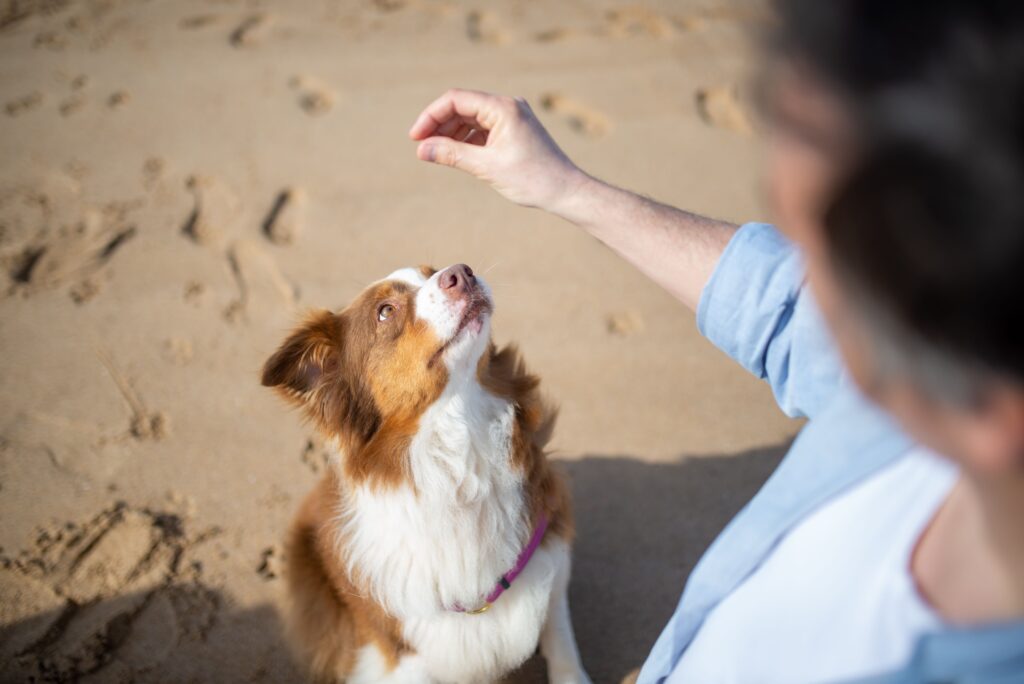
One of the most common questions asked by new dog owners is when to start training their puppy. Most people think you cannot train a puppy until it is a little older because at 6-7 weeks, Puppies are too young. However, what people don’t know is that training your puppy begins right after they come into their new home. All interactions, all routines and all experiences help determine future behaviors.
Early puppy training will aid in developing good habits, increasing self-confidence, improving communication with you and your puppy and eliminating most of the bad behaviors commonly seen in dogs. Positive reinforcement is key to successful puppy training. Consistency, patience and age-appropriate expectations are also necessary for success. Puppy training should always be fun and rewarding for the puppy.
This article discusses the best age to start puppy training, important developmental stages, essential commands, common mistakes, and how to create a strong foundation for lifelong learning.
How old can my puppy be before they begin learning?
A puppy can start learning some form of basic training as soon as they are about eight (8) weeks old. At this point, Puppies are naturally curious and are able to learn things via repetition and reward. Although very young Puppies cannot sit still or maintain their attention for long, they can still grasp simple concepts such as verbal commands, routines and good/bad associations based upon rewards and punishment.
Puppy owners mustn’t equate puppy training with hours of drill-type obedience training. When training your young puppy (early puppy training), focus on:
- Building trust
- Establishing routines
- Increasing confidence
- Teaching basic manners
- Rewarding good behavior.
Why Early Puppy Training Matters
Early puppy training has a number of significant advantages that make it essential.
Developing Good Habits
Habits are formed by repetitive behavior. In the absence of early training, a puppy will create habits based on repeated practices. Many times this leads to undesirable behaviors including:
- Excessive jumping on family members
- Biting or chewing excessively
- Pulling on the lead (leash)
- Destruction of furniture and household items
- Failure to respond to verbal commands
The development of positive habits is always less difficult than changing negative habits after they have developed.
Helps Build Puppy Confidence
Training builds confidence and reduces fear in your puppy. When a puppy is confident, they are:
- Much less fearful in unfamiliar places
- Easier to socialize with other dogs and humans
- Better able to adjust to new environments
- More at ease when interacting with other animals and people
Strengthens The Relationship Between Puppy and Owner
Positive interactions during training build both trust and open lines of communication. Your puppy begins to recognize you as a source of direction and reward. This strengthens the relationship and improves the bond between you and your puppy.
Puppy Training Milestones by Age
Different ages require different training goals as puppies grow and develop.
Weeks 8-10
Most puppies find themselves in their First home around this time. At this point, the main goal of early puppy training should include establishing a foundation of trust, building routines and creating confidence.
Name recognition begins when you encourage your puppy to look at you. Establishing potty habits starts as soon as you get your puppy and establishes a consistent potty schedule after all meals, naps, playtime and right before bed. Introducing crate training is something that needs to happen gradually as well. Crate training uses treat and toy-based rewards to make the process more pleasant.
Handling your puppy gently is vital to making them feel comfortable with being touched (paw, ear, mouth, etc.) This is also a great time to introduce puppies to other people, new sights and sounds and various types of households.
Weeks 10-12
During this stage, puppies are more inquisitive and better able to follow simple commands.
Begin to teach obedience by introducing commands like “sit”, “down”, “come”, “stay” and “leave it”. Keep these sessions short, fun and reward-based.
Gradually introduce collars, harnesses and leashes. Reward your puppy for calmly walking next to you. This continues to be a critical socialization phase as positive experiences at this age greatly reduce future fear and anxiety.
Months 3-6
Your puppy has developed a stronger personality and may test limits.
Recall, impulse control, loose-leash walking and ignoring distractions are still things your puppy needs to learn. Chew toys and teething toys are available to help manage the teething-associated chewing and biting. Continue to expose your puppy to new textures, crowded areas, riding in cars, groomers, veterinarians, etc., to promote self-confidence in new and unfamiliar situations.
After 6 months
Continue to reinforce obedience, calm greeting behaviors, manners in public and focus on distractions. Positive reinforcement, structure and consistency should prevail during training.
Top essential commands to teach right away
There are some particularly useful commands that you should emphasize during the earliest stages of puppy development:
- Sit teaches impulse control.
- Stay develops patience and safety.
- Come teaches the recall command, which could save a puppy’s life if they were to escape or wander off.
- Leaving it helps prevent puppies from getting into hazardous items.
- Down encourages relaxed behavior.
Recommended training methods for puppies
There isn’t a single most recommended training method. However, experts agree that positive reinforcement is probably the most effective and safest way to train puppies. Puppies learn through repetition of actions that result in rewards such as treats, praise, toys, play or attention.
Clicker training is another form of training where the trainer clicks a device (such as a Clicker) that produces a distinct sound when the puppy performs a correct action. The Clicker then follows with a reward.
Clicker training allows trainers to communicate more clearly with their puppies. Ultimately, the goal of training should be enjoyable and rewarding for both the puppy and the owner rather than frustrating or punishing.
How Long Should Training Sessions Be?
Young puppies are very impulsive and do not have long attention spans. Therefore, puppy training should be done in short sessions that last approximately 5-10 minutes, and they should occur multiple times each day. This way, you will not frustrate your puppy; it will remain fun for them to learn.
Puppy Training Errors
Many dog owners expect too much from young puppies. Young puppies require training goals that are realistic and based on their age. Another common error involves being inconsistent when giving commands and using discipline to punish behavior. Inconsistent commands will confuse young puppies. Punishment-based training will produce fear, anxiety and aggression in young puppies. Positive reinforcement produces an environment where a young puppy has complete trust in its owner and has confidence.
Lack of puppy socialization and lack of providing adequate mental stimulation also result in many undesirable behaviors. The use of puzzle toys, enrichment games, and providing regular training exercises will provide young puppies with adequate mental stimulation.
Importance of Puppy Socialization
Socializing a young puppy is probably the single most important part of developing a well-adjusted puppy. A young puppy should experience a variety of people, other dogs, sounds, objects, and various environments during this time.
Positive early experiences will greatly reduce the potential for fear, anxiety, aggression, and reactivity in older dogs. However, socialization should never be conducted in a manner which could potentially overwhelm a young puppy. Therefore, socialization should be carried out calmly, safely, and using rewards.
Additional Tip for Successfully Training Your Puppy
A successful training program should always include keeping training fun, practicing consistently every day, rewarding good behavior promptly after it occurs, and having patience. Every puppy learns at a different rate.
Summary
The ideal time to begin training your puppy is as early as possible. Usually, by the time your puppy is approximately eight weeks of age, they are ready to start their formal education. Formal education will give your puppy the confidence needed to learn new things, develop good habits, enhance their social skills, and improve communication between you and your puppy. Successful puppy training is based on rewarding desired behavior with positive reinforcement, consistency, patience, and realistic expectations. If you follow these guidelines and provide your puppy with ongoing support and encouragement, your puppy will become a confident, well-trained adult dog who is a wonderful companion.
Related reading: How to Deal with Obsessive Licking in Dogs, How to Stop Your Puppy from Biting & Nipping, Crate Training a Puppy: Complete Beginner Guide