
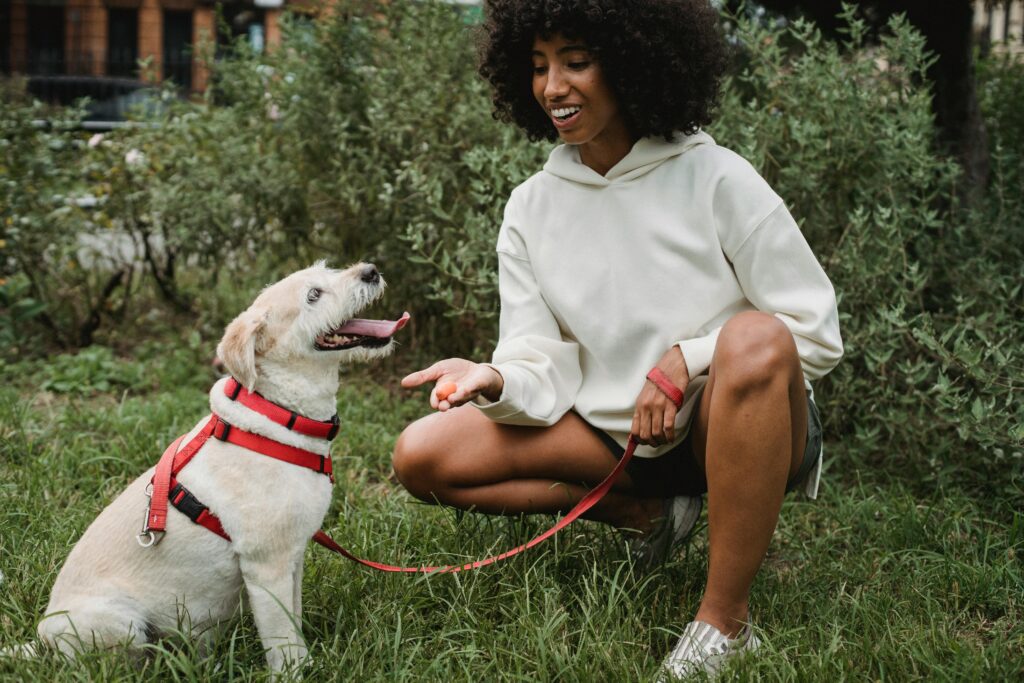
As a dog owner, you may be surprised to find your normally independent dog being overly affectionate. One moment, they’re lying beside you without a care in the world, the next, they can’t seem to leave your side, have lost their independence, and constantly seek your affection.
This overall shift in attachment is often a sign of an emotional, environmental, or physical change that impacts your dog. It’s important to understand the triggers of clinginess, which can be attributed to three main categories: communication, environmental changes, and physical ailment.
Environmental Changes or Routine Changes
Routine is incredibly significant to dogs, and even the slightest change to an animal’s routine will likely incite a reaction in their behaviour/emotional response.
Sometimes, when a dog feels insecure or lacks emotional support from an external source, they begin to display clinginess by associating their owner with a sense of security as they adjust to their new circumstances.
Examples of environmental changes can include a change of job for you, either dramatically or gradually over time, or moving to another house, which would usually involve a new routine, as well as unexpected visitors or unfamiliar scents. The owner’s presence has a stabilizing force upon the dog when making an adjustment.
Anxiety or Stress Reaction
Although clinginess can at times seem sweet, it is usually associated with animal anxiety. Whenever animals feel uncertainty or stress, their instinct is to move toward the individual (the owner) whom they believe to be the most trustworthy.
Examples of anxiety-producing events for dogs can include unfamiliar loud noises caused by neighbours, major construction work, travelling to new places, unexpected visitors, and any major environmental changes in their home. Emotional tension in the household can make a significant impact on many sensitive dogs.
Behaviour that may be accompanied by clinginess is not indicative of affectionate feelings, but instead, behaviours are more prone to being considered an indication of reassurance-seeking.
Separation Anxiety
Should your furry friend only be displaying clingy behaviours prior to you leaving the home or shortly following your arrival at home, separation anxiety is likely developing. Separation anxiety is usually developed when the animal is exposed to a significant amount of emotional stimulation (feeling attached to the owners) and will continue to develop if the animal cannot adjust to being alone.
Early warning signs of developing separation anxiety may include the dog appearing to be following you closely, being restless when you pick up your keys, wear shoes, or trying to settle down, as well as following you closely when you are preparing to leave the house.
Health Issues or Discomfort
Behavioral changes in dogs, especially increased clinginess, may sometimes be a reflection of physical discomfort. Many times, when a dog is not feeling well, they will want to be close to their owner for reassurance. This may include mild pain, digestive problems (such as diarrhea or vomiting), infections, or other health issues that may not be readily apparent.
If you see an increase in clingy behavior along with other physical signs like decreased appetite, decreased energy level, increased sleepiness, or increased abnormal behavior, then have your dog examined by a veterinarian.
Ageing and Cognitive Changes
Older dogs often display an increased dependence on their owners due to aging processes affecting the senses (i.e., vision loss), cognitive decline, etc. They also may seek comfort and support from those they have spent much time with during their lifetime because their ability to perceive their surroundings has changed.
Additionally, older dogs seeking more contact with their owners can be attributed to their need for reassurance and comfort, rather than a behavioral change alone.
Changes in Emotional Bonding
Shifts in bonding with a dog may also create increased clinginess in the relationship between the dog and the owner. For example, if you have recently increased the amount of time you spend at home with your dog, provided him with more attention, or engaged him in more play and/or training sessions, then there is a natural tendency for your dog to want to spend more time with you than he did before.
Positive interactions with dogs increase their bonding levels, and increased bonding with a dog may produce a temporary increase in clingy behavior if the dog is enjoying the attention and playtime.
Lack of Mental or Physical Stimulation
Lack of mental or physical activity may cause a dog to rely more heavily on their owner for stimuli. When a dog is bored, they may follow the owner around simply to find something to do. Boredom does not always equate with emotional distress. A bored dog could be following their owner around because the owner is the only one in their environment that provides activity that could keep it entertained.
Without ample opportunities for exercise and stimulation, dogs will naturally gravitate toward their owner for the majority of their stimulation.
Reinforcement of Clingy Behavior
Dogs can become clingy without intending to do so, which may happen as a result of reinforcement.
If a dog consistently follows its owner to get the owner’s attention, is petted, and receives verbal encouragement whenever they are near each other, the dog may begin associating being close to the owner with positive experiences.
As time goes on and this reinforcement continues, the dog becomes accustomed to interacting with the owner when it is close by; therefore, the dog tends to want to follow the owner even more.
Household Changes
New people (family members, houseguests), new pets (pistol pets), and other household dynamics have an impact on the dog’s sense of stability. When there are changes in the social structure of the household, it is common for dogs to stay closer to their primary caregivers, so they feel more secure in a situation that feels less predictable.
Even within positive changes (new pets or children), clingy behavior may temporarily increase while the dog becomes adjusted to this different environment.
Personality Type / Emotional Sensitivity
Some dogs are naturally more sensitive or emotionally dependent than others. Some breeds and specific personalities form closer bonds with their humans than others do. For these dogs, clinginess may be a common response during times of change or emotional stress. Minor changes that do not affect other dogs may make these dogs seek even more closeness to the owner.
It is important to take into consideration your dog’s individual personality type so that you can decide whether your dog’s clingy behavior is out of character or simply represents an intensified version of its typical behavior.
Clingy Behavior: Warning Signs to Watch For
Not all clingy behavior is harmful; however, you should be concerned about sudden, intense clinginess or clinginess accompanied by other behavioral changes or physical signs.
Some other signs that something is really wrong include: loss of appetite, ongoing restlessness, distress at separation from their owners, or a change in their normal activity level.
Because of these signs, you need to investigate the other emotional and physical reasons for their clinginess and not just rely on the clinginess itself.
What You Can Do for Your Clingy Dog
The aim is not to discourage your dog from seeking comfort or being close to you; instead, you should be encouraging them to develop healthy and independent emotions.
Maintaining a calm, predictable daily routine will provide a sense of stability and reinforce healthy independence through positive reinforcement. By allowing your dog to engage independently in a variety of activities (resting alone in a separate safe space or playing alone with toys), your dog will gain a degree of confidence and will succeed in developing their independent behavior.
Do not punish your dog when it becomes clingy. If the dog receives excessive attention at the wrong moment, this could reinforce their dependent behavior. Instead of rewarding your dog’s clinginess, you must work on balancing providing your dog with love and affection while providing independent training exercises.
In addition to providing your dog with physical exercise, mental stimulation, and structure in their interactions with others on a daily basis.
Final Thoughts
Typically, sudden clinginess in dogs is due to changes in the environment, not just behavioral, but it also has to do with your dog experiencing emotional or mental stress. A change in the daily routine (general health, aging process, transitioning households, or increased bonding between the owner and pet) could also cause the dog to show signs of clinginess.
As a responsible dog owner, the most important step you can take in determining the root cause is to observe your dog’s overall context when he is displaying clingy behavior. Then, as you continue to provide the support your dog needs and remain consistent with your care, your dog will have a much higher probability of overcoming any insecurity caused by these circumstances. By being aware of the unique signals dogs give, you can provide the support your dog needs while still allowing them to develop the strength of their connection to you as their owner.
Related reading: Causes of Sudden Behavior Changes in Dogs, Why Dogs Bark Excessively, Separation Anxiety in Dogs