
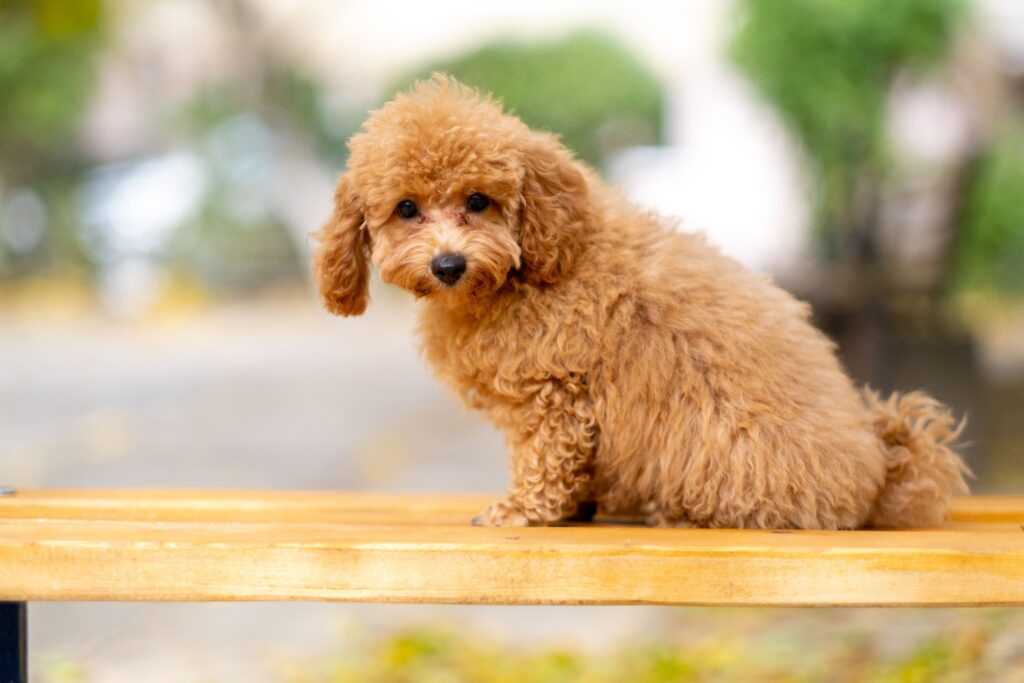
The poodle is an intelligent, elegant, active, and very trainable dog that has a beautiful curly coat and is full of energy. Poodles come in three varieties (Standard, Miniature, and Toy) and can be trained to live with many different families depending on how much space or time you have available.
Historically used as water retrievers, Poodles are naturally curious dogs that will learn quickly; therefore, today they make great family pets due to their high intelligence level, loving nature, and low-shedding coat that is often appealing to those who suffer from allergies.
Breed Origin and History
The Poodle developed historically in Europe; primarily, the majority of this history occurred in Germany and France. Originally, it was used as a retriever for waterfowl hunting. It was originally developed to be able to retrieve game that had fallen into lakes or rivers.
It was named after a German word which referred to the act of splashing in water. The French popularized the breed and gave it an association with being elegant and a companion animal. Over time, the Poodle transitioned from a working retriever to a refined companion animal; yet retained many characteristics, including athleticism and high intelligence.
Physical Characteristics
Poodles can be identified through their thick, curly, and low-allergy (hypoallergenic) coats. The Poodle’s coat protects it from both water and extreme weather conditions, which is an inheritance of its original purpose as a work dog.
There are three sizes for poodles: Standard (the largest), Miniature (the medium), and Toy (the smallest). Although there are variations based on size, each one has similar proportions and construction.
The Poodle has a long neck, straight back, and a beautiful build. The way they look at you with those intelligent, attentive eyes will remind you that they are very smart animals.
Temperament and Personality
Poodles are very smart, energetic dogs who love people. They learn things quickly and strongly want to please their owners. So they form very strong bonds with their families and like to participate in daily activities. They are affectionate, but they can also be sensitive and don’t respond well to rough training. Their social nature makes them good companions, but they tend to be reserved around strangers unless they are socialized early enough.
Training and Intelligence
The Poodle is one of the smartest breeds of dogs. So, you can expect that training will be a breeze with them; however, their high level of intelligence means they need to be mentally stimulated, or else they could get restless and create problems for themselves. The Poodles are good at obedience training, agility, and learning many other difficult things. Positive reinforcement techniques are usually effective because Poodles love to learn from praise and rewards. If there isn’t enough mental stimulation, then the Poodles can easily get bored and start developing problem behaviors for themselves.
Exercise Needs
Poodles are a high-energy dog, and they require daily physical activity. Their daily routine of physical activity greatly influences a poodle’s well-being. Standard Poodles have a higher level of energy than the Toy or Miniature variety, but still need an opportunity for some form of daily physical activity. Poodles enjoy playing fetch, swimming, and running agility courses. The benefits of providing your poodle with regular physical activity include improved overall health and the prevention of boredom-related behavior (such as chewing).
Grooming and Coat Care
The Poodle’s curly coat requires frequent grooming in order to prevent matting or tangling; brushing (as often as daily) is required as well as professional grooming for each poodle that has an extended coat length at least once every couple of months.
The poodle is considered a low-shedding dog, but it does shed continually, so it will need some sort of maintenance.
Cleaning the ears, clipping the nails, and performing other general hygienic routines should be done frequently as part of their grooming.
Health Concerns
Poodles are, for the most part, relatively healthy dogs; however, they do tend to inherit some possible genetic disorders such as Hip Dysplasia, Eye Disorders, or Skin Sensitivities. Regular Check-ups with your Veterinarian will aid in detecting these potential problems early on. A balanced Diet and Exercise Routine are two of the best ways to support your Poodle’s long-term health and Well-being.
Living With a Poodle
Poodles are able to thrive in a variety of home settings (apartments or homes) if their physical and emotional needs are provided for. As very social animals, poodles need to be with their owners; they do not like to spend time alone. If they are left by themselves too often, they will develop anxiety or become bored.
Feeding and Nutrition
Maintaining energy levels and coat health is very important, and a balanced diet is key. High-quality dog food with proper protein supports their active lifestyle. Portion control is especially important for small Poodles because they can put on weight if they get too much food. Keeping fresh water handy and sticking to consistent feeding times helps to keep digestion healthy and overall health good too.
Conclusion
The poodle is an incredibly intelligent, adaptable, and affectionate dog breed with both the elegance of a high-end show dog and the work ethic of many other breeds. Due to its versatility, numerous types of people can own a poodle; from an active family to someone living in a small apartment. When a poodle is groomed properly, exercised regularly, and mentally stimulated daily, they will be extremely loyal, fun-loving dogs that you will cherish as companions.