
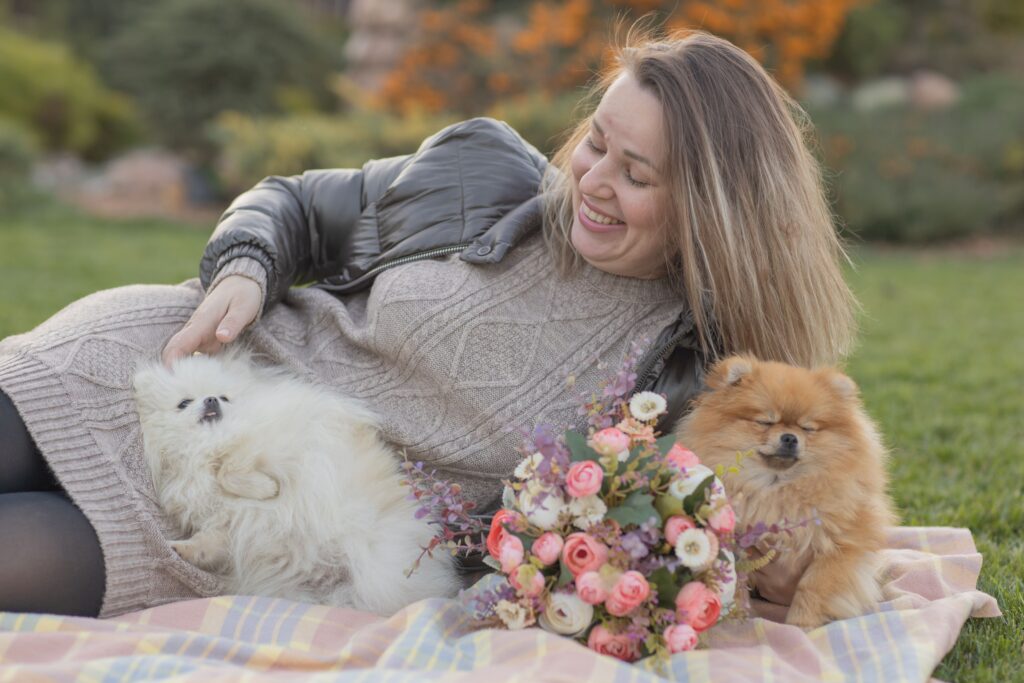
Dog owners often notice that their pet favors one person above all others in the house. This preference for a favorite person is common and usually develops gradually over time. It is not random and is not solely based on who feeds the dog the most. Rather, preferences develop through daily interaction, emotional connection, and consistency. Understanding how dogs form such preferences also helps explain their behavior and deepens the bond you have with them.
Early Socialization and Imprinting
Early life is very important for dogs when it comes to forming attachments. Puppies go through a critical period of socialization where they learn what is safe, familiar, and comforting. People who care for them, comfort them, and have positive experiences with them become strongly associated with safety during this time.
Early bonding can influence which other dogs naturally draw closer to later. But this does not mean that attachment is permanent. Dogs can still form very strong new attachments as they grow depending on their environment and experiences they have.
Daily Care and Routine Interaction
One of the strongest factors in choosing someone you really like is daily interaction. Dogs bond especially strongly with people who consistently meet both emotional and physical needs. This includes feeding them, walking them, grooming them, and spending time together in predictable calm routines.
Over time, dogs start to connect that person with stability and security. But it’s not just about doing tasks. Quality of interaction is actually more important than just the number of responsibilities that are handled.
Emotional Bond and Communication Style
Dogs have an incredible ability to sense your emotions through both voice and non-verbal communication. They tend to gravitate toward those that create a calm, consistent, and confident environment.
Quiet voices, gentle hands, and being a predictable person can also help you earn their trust. On the other hand, dogs tend to stay away from loud, unpredictable, or emotionally unstable individuals.
The overall emotional relationship you have with your dog is one of the most important factors in developing a strong relationship.
Positive Reinforcement and Shared Experiences
Dogs tend to gravitate towards people who create positive experiences. This includes playtime, rewarding them, training sessions, and relaxed time together. When a person regularly provides enjoyable interactions, the dog starts associating that person with positive feelings. It’s not just treats that are important, though; shared activities such as walks together, playing together, or just sitting quietly together in a calm place matter too.
Consistency and Availability
Dogs value predictability. The consistency of a relationship allows dogs to understand what will happen at different times. They are more likely to develop strong bonds with individuals that spend time consistently rather than those that provide unreliable amounts of attention (excitement). A stable routine provides a sense of security and comfort for a dog.
Leadership and Confidence
Dogs are likely to seek out direction and order in their lives. Someone providing stable leadership while setting consistent rules and boundaries may be able to become a favorite.
This doesn’t mean you will dominate the dog or have complete control over it. This means you are confident about your decision-making process and you provide a sense of stability and predictability through being consistent. The dog feels much more comfortable and secure when it has some understanding of its responsibilities; as such, the individual responsible for this guidance may also develop an exceptionally strong relationship with the dog.
Physical Affection and Touch
Many dogs develop a strong attachment to the person that they receive their daily (gentle) petting and grooming touch from. Affection in many forms, such as petting, grooming, and even just holding your dog for an extended period, can help create a sense of closeness and loyalty with the owner.
However, it is very important to understand what type of affection dogs like best. Dogs tend to love calm and respectful interactions versus aggressive/rough play. The longer you continue to have positive physical experiences with your dog will ultimately lead to building a level of trust with your dog.
Individual Dog Personality
Every dog has a distinct personality that also affects which people it likes best. Some dogs are quite independent and show little strong preference for one person. Other dogs are very social and focus strongly on attachment to people. Breeds also have tendencies that influence this. Some breeds bond closely with one person, while others have more even attachment to different people. Understanding your dog’s personality helps explain behavior better.
Can a Dog Change Their Favorite Person
Yes, Dogs can change whom they prefer as a source for their primary attachment at different times. This may be due to environmental change and/or a consistent alternative provider of both physical care and emotional support, so that they come to prefer an alternate source of their attachment.
This does NOT mean the original is “betrayed” nor “unfaithful”. Rather, it indicates the dog’s capacity to adjust to other potential sources of safety/comfort when present in their lives. Bonds take time to develop, but they will continue to evolve based upon continued interaction.
When Favoritism Becomes Noticeable
In some instances, a dog will demonstrate a strong preference toward one family member and exclude other members of the same household. Typically, this behavior is acceptable and not an abnormal behavior issue. However, there are times when over-reliance on a single person can cause social imbalance within multiple-person families. Encouraging shared care and interaction can aid in creating a socially well-rounded environment for the pet.
Strengthening Your Bond With Your Dog
To be and remain the favored individual of your dog, you must be consistent in how you interact with your dog. Consistency will allow you to build a relationship based on mutual trust. Positive interactions with your dog, including regular calm communication and routine activities such as walking, eating, etc., will help create a stronger relationship between you and your dog.
Focusing quality time on your dog during which there are no other distractions is generally more successful than providing your dog with sporadic periods of focus. Dogs also tend to respond to and form the strongest relationships with their owners when they have had stable positive relationships for long periods of time.
Conclusion
While there are many factors in how a dog decides upon its “favorite” person, it is a mix of the amount of time they spend together, the level of care provided for them, daily interactions, as well as a relationship built from emotional connection.
It is not solely about developing an emotional bond in those first months after adoption. The process continues to grow and evolve over the course of a dog’s life. Through the use of patient and consistent interaction, more than one individual can build a solid relationship with the dog and establish themselves as the dog’s “favorite” person.
Ultimately, a dog will consider someone to be its “favorite person” when they make the dog feel safe, understood, and emotionally secure.