
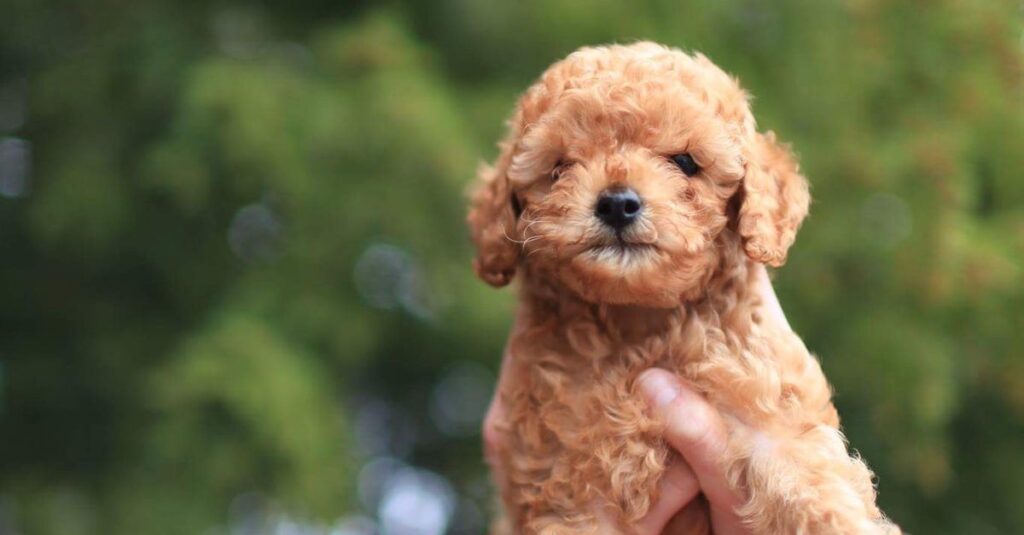
There’s no such thing as a 100% non-shedding dog, since all dogs go through a natural cycle of growing and losing hair. What varies is how much of that shed hair gets tangled up within an individual dog’s coat, curly or wiry, versus how much falls loose around your home. Allergy sufferers and anyone tired of vacuuming daily can benefit greatly from certain breeds.
The primary reason for varying amounts of shed hair comes down to coat type, not a dog’s size or fur length alone. Dogs with curly, wiry, or hairless coats generally shed far less than dogs with thick, insulating double coats, such as Huskies and Golden Retrievers, which often shed dramatically at certain times of the year.
Curly-Coated Low Shedders
All three sizes of Poodles have low-shedding coats considered by many dog owners and breeders to be the “gold standard” for low-shedding dogs. That’s because a Poodle’s coat grows continuously, rather than cycling in and out like most breeds, and its thick, curled hair traps loose hair within the curl rather than releasing it into the environment. This does mean regular grooming and trims are essential to keep the coat from matting.
Poodle mixes such as Labradoodles and Goldendoodles inherit varying degrees of this trait depending on which parent’s coat type dominates, so shedding can be inconsistent even within the same litter.
The Bichon Frise and Portuguese Water Dog share a similarly curly, low-shedding coat texture, both requiring regular professional grooming to stay mat-free and looking their best.
Wiry and Hairless Low Shedders
Wire-haired terriers, including the Wire Fox Terrier, Airedale Terrier, and Schnauzer varieties, have a dense, textured coat that sheds minimally, especially when regularly hand-stripped rather than clipped. The Chinese Crested and Xoloitzcuintli, both largely hairless breeds, shed essentially nothing by definition, though the small amount of hair they do have still needs its own skin care attention.
The Afghan Hound and Irish Water Spaniel, despite their long, flowing appearance, also shed comparatively little, thanks to a coat structure closer to human hair than typical dog fur, though both breeds require a real, ongoing grooming commitment to keep that coat looking its best.
Shedding and Allergies
It’s worth understanding that pet allergies are triggered primarily by a protein found in dog dander, saliva, and urine, not the hair itself, which is why no breed is genuinely hypoallergenic in the strictest sense. Low-shedding breeds tend to release less dander into the environment, since that dander stays trapped in the coat longer between grooming sessions, which is why they’re often more tolerable for mildly allergic people, even though the underlying allergen is still present.
Anyone with significant dog allergies should spend extended time with an individual dog of the breed they’re considering, ideally in a home environment, before committing, since individual sensitivity varies widely and even low-shedding breeds can trigger reactions in some people.
Living With a Low-Shedding Breed
Low-shedding doesn’t mean low-maintenance. Most of the breeds on this list need professional grooming every four to eight weeks, plus regular brushing at home to prevent painful matting, particularly around the ears, armpits, and hindquarters. Skipping grooming on a curly or wiry coat doesn’t reduce the work, it just delays it, often resulting in a coat so matted it needs to be shaved down entirely.
Budgeting for ongoing grooming costs and time is an essential, and often underestimated, part of choosing one of these breeds, right alongside their more obvious appeal of a cleaner couch and fewer hair-covered black outfits.
Managing Shedding in Any Breed
Even the lowest-shedding breeds benefit from a consistent brushing routine, both to prevent matting and to catch skin issues early. A slicker brush or metal comb suited to curly or wiry coats, used two to three times weekly, keeps loose hair contained within the coat rather than scattered around the house.
Diet also plays a supporting role in coat health across all breeds. A high-quality diet with adequate omega-3 and omega-6 fatty acids supports healthy skin and coat condition, which can reduce excessive shedding tied to poor nutrition, dry skin, or underlying allergies, even in breeds not typically known as heavy shedders.
Seasonal Shedding Even in Low-Shed Breeds
Even genuinely low-shedding breeds can experience a modest seasonal increase in loose hair, particularly around spring and fall coat transitions, though the change is far less dramatic than in heavy double-coated breeds. Slightly increasing brushing frequency during these windows helps manage the temporary uptick.
Spaying and neutering, hormonal changes, illness, and stress can also all trigger temporary increases in shedding regardless of a breed’s typical coat type, so a sudden change in a normally low-shedding dog’s coat is worth mentioning at a routine veterinary visit if it persists.
Conclusion
Poodles, Bichon Frises, wire-haired terriers, and hairless breeds all offer a meaningfully cleaner-coated alternative to heavy double-coated dogs, though none are truly hair- or dander-free. Regular grooming remains essential regardless of coat type, and allergy-prone owners should always spend real time with an individual dog before committing.
Choosing a low-shedding breed is really choosing a different kind of maintenance, trading daily vacuuming for regular grooming appointments, rather than avoiding upkeep altogether.
Related Reading
friendliest dog breeds, rarest dog breeds, best breeds for active owners
FAQs
Are Poodles truly hypoallergenic?
Poodles are considered one of the more hypoallergenic breeds, though no breed of dog is completely hypoallergenic. That’s largely because a Poodle’s curly coat traps dander rather than releasing it into the air.
Do hairless dog breeds need less grooming overall?
Hairless breeds still need real care for their exposed skin. So while the routine looks a little different, they typically need just as much attention as other breeds when it comes to moisturizing and sun protection.
Do Doodle mixes always shed less than their parent breeds?
Not always. Coat type in mixed breeds can be unpredictable, a single Doodle litter can include puppies with long hair, short hair, or coats that shed heavily, depending on which parent’s genes dominate.