
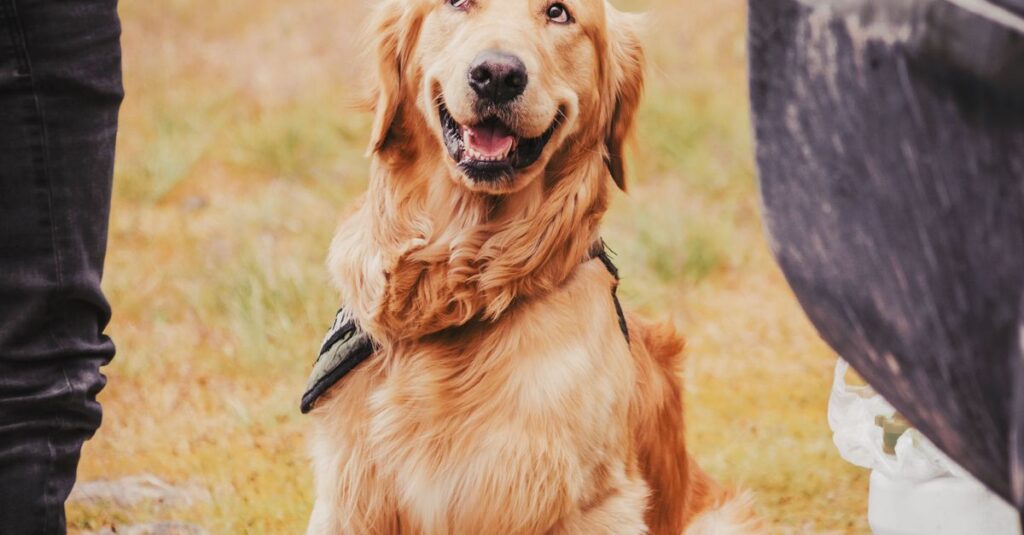
A dog’s friendliness comes down to a mix of genetics, early socialization, and individual temperament, but some breeds have been selectively bred over many generations to be especially affectionate, outgoing, and approachable around people. If you want a dog who wags their tail at a stranger rather than showing fear or suspicion, these breeds consistently top the recommendations from trainers, veterinarians, and breed clubs.
Keep in mind that any individual dog can vary from typical breed traits, and the quality of socialization a puppy receives has an enormous impact on their adult temperament, regardless of breed.
Golden Retrievers and Labrador Retrievers
These two breeds are perennial favorites for the same underlying reason: both were developed as gundogs meant to work cooperatively and closely with people, and that cooperative instinct translates directly into an eager-to-please, people-oriented temperament. Golden Retrievers in particular are frequently used as therapy and service dogs because of their patient, gentle nature around children, strangers, and other animals.
Labrador Retrievers have topped AKC popularity rankings for years, and their combination of friendliness, trainability, and adaptability to different living situations, from apartments to farms, makes them one of the safest bets for a family looking for a genuinely sociable dog.
Cavalier King Charles Spaniels and Beagles
Bred primarily to be companion dogs, Cavalier King Charles Spaniels are incredibly affectionate and gentle toward virtually everyone they meet, including other pets. Their small size and easygoing nature make them popular choices for multi-pet households and first-time owners alike.
Beagles bring a cheerful, curious, pack-oriented friendliness rooted in their history as hunting dogs that worked in groups. They tend to get along well with other dogs and enjoy human company, though their powerful nose can occasionally pull their attention toward a scent trail instead of a new friend.
Standard Poodles and Irish Setters
Standard Poodles combine sharp intelligence with a genuinely warm, sociable temperament, making them excellent family dogs that bond closely with their households while staying friendly toward visitors and other animals. Irish Setters bring an exuberant, almost goofy friendliness paired with high energy, making them best suited to active households that can match their enthusiasm.
Both breeds thrive on human companionship and can struggle with prolonged isolation, which is part of what makes them so consistently affectionate when they’re included in daily family life.
What Shapes Friendliness Beyond Breed
Early socialization, roughly between 3 and 14 weeks of age, has an outsized influence on how comfortable a dog becomes with new people, animals, and environments, often more than breed alone. Puppies exposed positively to a wide variety of people, sounds, and situations during this window tend to grow into more confident, friendly adults, regardless of breed tendencies.
Responsible breeding matters enormously too. A breeder who prioritizes temperament testing and raises puppies in a stimulating home environment will produce friendlier, more stable dogs than one who doesn’t, even within traditionally friendly breeds. When adopting from a shelter, spending time with an individual dog and asking staff about their observed temperament is often more reliable than relying on breed assumptions alone.
Evaluating Individual Temperament When Adopting
When meeting a shelter or rescue dog, look for relaxed body language, a loose wagging tail, and a willingness to approach calmly, rather than reactive barking or backing away, regardless of the breed label on the kennel card. Many shelters run temperament assessments and can speak specifically to how an individual dog behaves with strangers, children, and other animals.
Meeting a dog more than once, ideally in different settings like a quiet room and a busier area, gives a more reliable picture than a single brief interaction. A dog’s calm demeanor during a meet-and-greet doesn’t always predict how they’ll behave in a chaotic household, so asking about a trial period or foster-to-adopt arrangement can help confirm a good match before committing long term.
Friendliness in Multi-Pet Households
If you already have other pets, look specifically for breeds and individual dogs with a documented history of getting along well with other animals, not just people, since the two forms of friendliness don’t always overlap perfectly. Breeds developed for group hunting or working closely alongside other dogs, like Beagles and many retriever breeds, often show strong dog-to-dog sociability in addition to their warmth toward people.
Slow, structured introductions between a new dog and existing pets, regardless of breed reputation, remain the single best predictor of a smooth multi-pet household, since even naturally friendly breeds can react poorly to a rushed or poorly managed first meeting.
Golden Doodles, Cockapoos, and the Friendly-Mix Trend
A lot of the friendliest dogs people actually bring home these days aren’t purebreds at all, they’re intentional crosses like Goldendoodles, Cockapoos, and Cavapoos, built by combining two already people-oriented breeds. This isn’t a coincidence. Breeders producing these mixes are usually selecting specifically for temperament alongside coat type, so pairing a Golden Retriever with a Poodle, for instance, tends to double down on friendliness rather than diluting it. That said, a mixed breed’s temperament is still a blend of genetics from both sides, so meeting the actual puppy and, when possible, its parents matters just as much as it does with a purebred.
Friendliness Toward Strangers vs. Friendliness Toward Family
It’s worth separating these two, because they don’t always travel together. Some breeds, Golden Retrievers being the textbook example, are famously warm toward literally everyone, including strangers at the door. Others are deeply affectionate with their own family but naturally more reserved or watchful around unfamiliar people; this shows up in breeds bred historically for guarding roles. Neither pattern is “unfriendly” exactly, but if what you’re picturing is a dog that greets every visitor like a long-lost friend, you’ll want to prioritize breeds specifically known for that outward-facing warmth rather than just general loyalty.
Conclusion
Golden Retrievers, Labradors, Cavaliers, and Beagles consistently rank among the friendliest breeds for good reason, but breed is only part of the story. Early socialization, responsible breeding, and, for shelter dogs, a thoughtful individual assessment matter just as much as any breed label when it comes to finding a genuinely sociable companion.
Spend real time with any dog you’re considering, in more than one setting, and you’ll get a far more reliable read on their friendliness than a breed description alone can offer.
Related Reading
best breeds for active owners, low-shedding breeds, the rarest dog breeds
FAQs
Are mixed breed dogs friendlier than purebreds?
Temperament depends far more on the individual dog’s socialization and breeding practices than on whether they’re purebred or mixed.
What breed is best with young children?
Thanks to their patient, tolerant temperaments, Golden Retrievers, Labrador Retrievers, and Beagles are among the breeds most commonly recommended for families with kids, though adult supervision is still essential regardless of breed.
Can an unfriendly breed become friendly with training?
Yes, socialization and positive reinforcement training can meaningfully improve a dog’s comfort around people and other animals, even in breeds not traditionally known for being outgoing.