
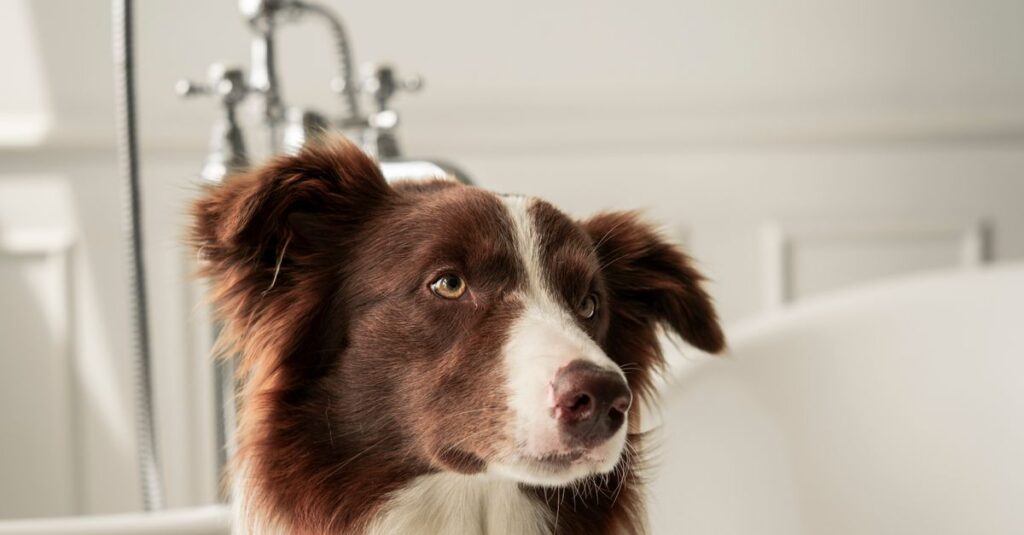
Every dog has a natural body scent, but there’s a real difference between a healthy “dog smell” and an odor strong enough to make you want to open every window in the house. When that smell turns sharp, sour, yeasty, or downright foul, it’s usually your dog’s way of telling you something is off, whether that’s their skin, ears, teeth, or diet.
Tracking down the source is mostly a process of elimination, starting with the areas dogs are most prone to odor problems.
Skin and Coat Issues
Skin problems are one of the most common sources of persistent bad odor. Yeast and bacteria thrive in the warm, moist folds of skin found on dogs with wrinkles, allergies, or thick double coats that trap moisture after baths or swims. A yeasty, almost corn-chip smell concentrated in the paws or skin folds is a classic sign of Malassezia yeast overgrowth, which is very treatable with the right shampoo or medication from a vet.
Allergies, whether to food, pollen, or fleas, inflame the skin and create the perfect environment for odor-causing organisms to multiply. If the smell is paired with itching, redness, or greasy patches of fur, a dermatology-focused vet visit is worth scheduling rather than just adding another layer of dry shampoo.
Ears and Teeth
Ear infections are a frequent, and frequently overlooked, source of bad smell. Floppy-eared breeds and dogs that swim often are especially prone to yeast and bacterial ear infections that produce a distinct, unpleasant odor along with head shaking, scratching, or dark discharge. Ears should be checked regularly and cleaned with a vet-recommended solution, never cotton swabs pushed deep into the canal.
Dental disease is another major, underrated cause of overall bad smell in dogs. Plaque and tartar buildup harbor bacteria that produce a distinctly foul breath odor, and in advanced cases, that smell can seem to radiate from the whole dog rather than just the mouth. Routine tooth brushing and professional dental cleanings go a long way toward solving this.
Anal Glands and Digestive Causes
Few dog smells are as unmistakable, or as unpleasant, as an anal gland issue. These small scent glands near the anus can become impacted or infected, releasing a fishy, metallic odor that dogs sometimes try to relieve by scooting across the floor. A vet or groomer can express these glands safely if they’re not emptying on their own during normal bowel movements.
Diet plays a role too. Low-quality food, sudden dietary changes, or food intolerances can lead to excess gas and stronger-smelling stool, and in some cases, that odor seems to linger on the dog’s coat and breath as well. A vet can help rule out digestive causes if odor is paired with soft stool, frequent gas, or vomiting.
When It’s Time for a Vet Visit
A quick bath resolves ordinary “dog smell,” but a persistent, strong odor that returns within a day or two of bathing usually points to something a shampoo alone can’t fix. Any smell paired with visible skin changes, ear discharge, excessive scratching, bad breath despite dental care, or scooting is worth a veterinary exam.
Getting ahead of these issues with regular grooming, ear checks, tooth brushing, and a quality diet keeps most dogs smelling like, well, a normal dog, rather than something that needs its own zip code.
A Simple At-Home Odor Checklist
Before assuming a bath will fix things, run through a quick checklist: sniff the ears for a yeasty or musty smell, check between the toes and in skin folds for redness or discharge, smell the breath separately from the rest of the body, and check under the tail for any fishy odor suggesting anal gland involvement.
This simple process of elimination often narrows down the source in a few minutes and tells you whether a bath alone will help, or whether you’re dealing with something that needs veterinary treatment. Many owners are surprised to discover a smell they assumed was “just how dogs smell” was actually coming from one specific, treatable source.
Diet’s Role in Overall Odor
Nutrition affects far more than digestion alone; it shapes skin health, coat condition, and even breath odor over time. A high-quality diet with balanced fatty acids supports a healthier skin barrier, which can reduce the oily, odor-prone buildup some dogs develop on lower-quality or poorly matched diets.
Food sensitivities specifically can contribute to chronic low-grade skin inflammation that shows up as odor long before more obvious symptoms appear. If odor persists despite good grooming and no obvious skin or ear issues, discussing a diet trial with your veterinarian is a reasonable next step, particularly for dogs with a history of soft stool or itching.
Conclusion
A persistent bad smell is almost always your dog’s body flagging something specific, skin, ears, teeth, or anal glands, rather than a mystery that just needs more soap. Working through a simple checklist usually narrows down the source quickly, and treating the actual cause solves the smell far more reliably than another bath.
Regular grooming, dental care, and prompt attention to skin or ear changes keep most dogs smelling like nothing more than, well, a normal dog.
Related Reading
another breed-related health quirk, excessive licking and skin issues, when digestive symptoms need a vet
FAQs
Why does my dog smell bad even after a bath?
If the smell lingers after a bath, it’s usually a deeper issue, a skin problem, an ear infection, or a dental issue, rather than simple dirtiness. A healthy, clean dog should stay fresh-smelling for days.
What does a yeast infection smell like on a dog?
Many owners describe it as smelling like old corn chips, or musty and sour. It’s usually strongest on the paws and in skin folds.
How often should I bathe my smelly dog?
It depends on the individual dog, but most do fine with a bath every 4 to 6 weeks. A vet-recommended medicated shampoo on a more frequent schedule may be needed if there’s an underlying skin condition.