
Stepping in a puddle of yellow vomit on your way to the kitchen in the morning gives anyone who’s experienced it that same sinking feeling. That yellow color is almost always bile, a digestive fluid made by the liver and stored in the gallbladder to help break down fats. When a dog’s stomach sits empty for too long, bile can back up into the stomach and irritate the lining, triggering vomiting. It’s common enough that vets have a name for it: bilious vomiting syndrome.
An occasional yellow vomiting episode, especially first thing in the morning, is rarely cause for alarm, but understanding why it happens helps you know when a simple mealtime adjustment will fix it and when it’s time to call the vet.
The Most Common Cause: An Empty Stomach
Bilious vomiting syndrome typically strikes dogs that go a long stretch, usually 10 to 12 hours or more, between their last meal of the evening and breakfast. Bile keeps trickling into the small intestine even when there’s no food to digest, and once the stomach is completely empty, that bile can reflux backward and irritate the stomach lining. The result is a dog who vomits a small amount of yellow, sometimes foamy, liquid, then acts completely normal afterward, often begging for breakfast right away.
This pattern is so predictable that many vets diagnose it based on history alone: vomiting happens only in the early morning or late at night, the dog is otherwise bright and eating well, and there’s no blood, no lethargy, and no diarrhea alongside it.
Other Reasons Bile Shows Up
Bile-tinged vomit isn’t always about an empty stomach. Dietary indiscretion, eating something greasy, spoiled, or simply new to their gut, can irritate the stomach enough to bring up yellow fluid along with food. Motion sickness, stress, and swallowed grass can do the same thing. In dogs with chronic gastrointestinal disease, such as inflammatory bowel disease or exocrine pancreatic insufficiency, yellow vomiting can become a recurring symptom rather than an occasional nuisance.
Pancreatitis is another possibility worth knowing about, especially if the vomiting is paired with a hunched posture, abdominal pain, or reluctance to eat. Because pancreatitis can range from mild to life-threatening, any yellow vomiting that comes with these additional signs deserves same-day veterinary attention rather than a wait-and-see approach.
Simple Fixes That Often Work
For garden-variety bilious vomiting syndrome, the fix is often refreshingly simple: shrink the overnight fasting window. Feeding a small snack right before bed, or splitting the daily food total into three smaller meals instead of two, keeps the stomach from sitting empty long enough for bile to build up. Many owners see the problem disappear within a few days of adding a late-evening feeding.
It also helps to rule out easy triggers. Switching to a slightly lower-fat food, keeping the dog away from trash and compost, and managing car-ride motion sickness with vet-approved medication if needed can all reduce episodes. Keep a simple log of when the vomiting happens and what the dog ate in the 24 hours before, since that pattern is often the single most useful piece of information a veterinarian will ask for.
When to See the Vet
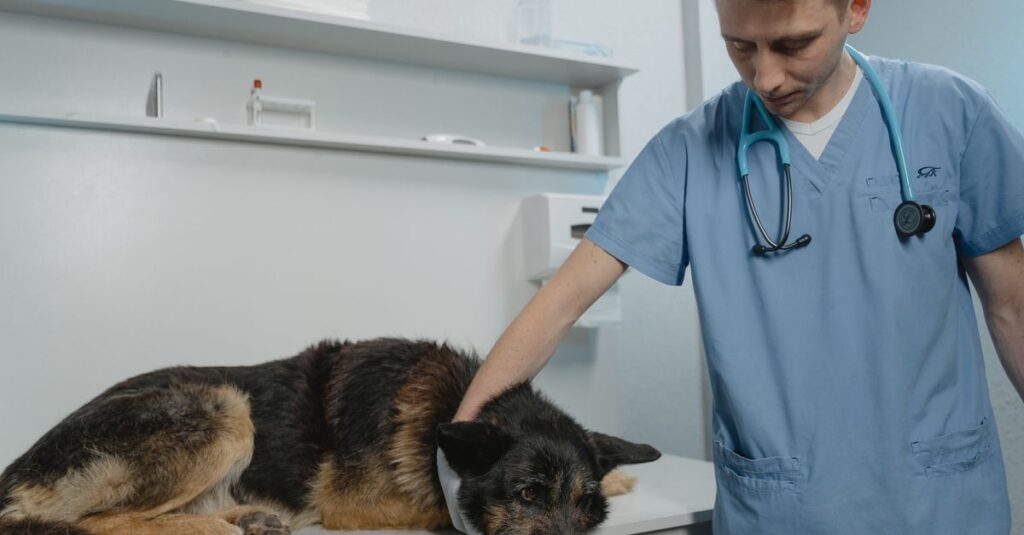
A single episode of yellow vomit in an otherwise happy, hungry dog usually isn’t cause for panic. But certain signs change the picture: vomiting more than once in a day, vomiting that continues for more than 24 hours, blood in the vomit, black tarry stool, lethargy, abdominal pain, loss of appetite, or a dog who is a known scavenger and may have ingested something toxic or obstructive. Puppies, senior dogs, and dogs with existing health conditions should be seen sooner rather than later, since they dehydrate and decompensate faster than a healthy adult dog.
If bilious vomiting syndrome is suspected but feeding adjustments don’t resolve it within a couple of weeks, a vet visit is worthwhile to rule out underlying gastrointestinal, liver, or pancreatic disease with bloodwork or imaging.
Prevention Tips Worth Building Into Your Routine
Beyond adjusting meal timing, a few small habits reduce the odds of bilious vomiting syndrome recurring. Slow-feed bowls keep a dog from gulping food and air, which can itself upset the stomach and sometimes mimic bile-related vomiting. Keeping treats and table scraps consistent, rather than introducing rich or fatty foods unpredictably, also reduces episodes tied to dietary indiscretion.
If your dog is prone to occasional bile vomiting, avoid switching foods abruptly, since sudden diet changes are a well-known trigger for stomach upset in dogs generally. When a change is needed, transition over seven to ten days by gradually mixing more of the new food in with the old, giving the digestive system time to adjust without the added irritation of an empty, bile-filled stomach overnight.
Diet and Feeding Adjustments That Help Long-Term
Beyond timing, the type of food matters too. Diets that are very high in fat can be harder for a sensitive stomach to process overnight, sometimes worsening bile reflux. If your dog is prone to bilious vomiting syndrome, ask your vet whether a moderate-fat, easily digestible formula might reduce episodes, particularly for breeds already prone to sensitive stomachs.
Some owners also find success adding a small amount of a bland, easily digestible topper, like a spoonful of plain pumpkin or a prescription GI-support food, to the final evening meal, which can help coat and settle the stomach through the overnight fast. Always run dietary changes past your veterinarian first, especially if your dog has any existing health conditions.
Conclusion
Occasional yellow vomit in an otherwise happy, hungry dog is usually just bile catching up with an empty stomach, and a simple change to feeding times often solves it within days. The key is watching the pattern: isolated morning episodes with no other symptoms rarely need more than a schedule tweak, while frequent vomiting, lethargy, or pain deserve a veterinary visit sooner rather than later.
When in doubt, a quick call to your vet costs far less time and worry than waiting out a problem that might need treatment.
Related Reading
other signs something’s off health-wise, shaking and other symptoms worth watching, breed-related and health-related quirks
FAQs
Is yellow vomit always bile?
Generally, yes. The yellow color usually comes from bile pigment, though grass, certain foods, or medication can occasionally tint it a similar shade.
Should I withhold food after my dog throws up yellow bile?
An 8- to 12-hour rest for the stomach is often suggested, followed by a bland, easy-to-digest meal, but check with your vet if the vomiting happens again or your dog seems unwell.
Can stress cause yellow vomiting in dogs?
Yes, stress and anxiety can disrupt normal digestion and bile flow, occasionally leading to bilious vomiting in sensitive dogs.