
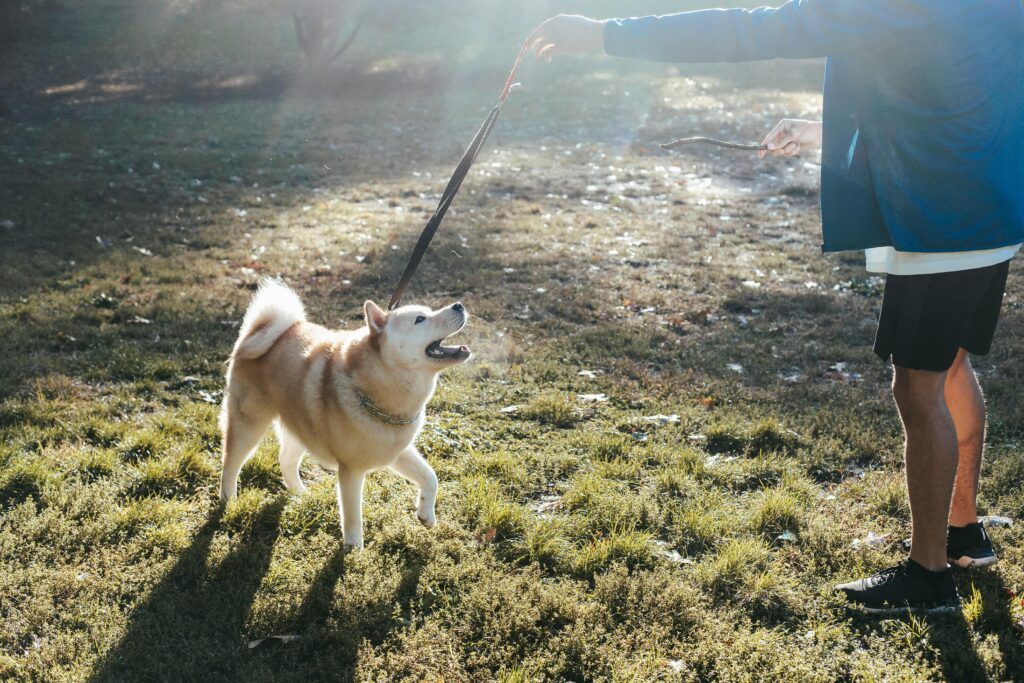
A dog’s daily routine is an incredibly important aspect of his or her overall health, balance, and demeanor. As creatures of habit, dogs have a natural sense of security when their days follow a predictable pattern. By establishing a daily routine, you promote digestive function, improve training success rates, decrease anxiety, and lower the likelihood of developing behavioral problems.
No matter if your dog is still a young pup, an adult, or even an older dog (senior), a well-structured routine will allow you to provide the appropriate amounts of physical exercise, mental stimulation, rest, and bonding time with your dog.
Why Is a Daily Routine Important?
Dogs are happiest when they know exactly what to expect every day. Without some form of structure, dogs tend to get bored, anxious, or overactive. Structure helps to regulate a dog’s internal biological clock, thereby reducing unpredictability in feeding, sleeping, and bathroom habits.
Structure also has positive effects on a dog’s behavior. Dogs that adhere to a routine typically exhibit less anxiety and aggression; they are easier to train; and they are less likely to display undesirable behaviors (i.e., excessive barking, chewing, etc.). Perhaps most importantly, adherence to a daily routine develops trust between dog and owner, creating a strong foundation for their relationship.
Morning Routine
The morning hours are critical in setting the stage for the remainder of a dog’s day. The majority of dogs awaken requiring immediate attention to go out to urinate. Therefore, the first action taken each morning should be a quick potty trip outside.
Following the potty break, take your dog on either a short walk or perform some light exercise. Both of these activities serve multiple purposes: they enable your dog to release excess energy and focus their mind on their environment. Sniffing and exploration are two characteristics inherent to canine nature. By incorporating these elements into your dog’s morning schedule, you create a calm atmosphere in preparation for the remainder of the day.
Feed your dog at the same hour each morning. Maintaining a consistent food schedule promotes healthy digestion and supports high levels of energy.
In addition to providing your dog with fresh water, feeding your dog at the same time each morning enables him or her to develop an appetite that is easy to anticipate.
Once your dog eats and engages in light activity, he or she should enter into a restful state. Rest periods allow for the proper processing of consumed foods and provide your dog with an opportunity to “recharge” their batteries.
Mid-Day Routine
For many dogs, the middle of the day is characterized by a relatively peaceful atmosphere. Many owners are away from home at work during this time. However, there are several ways you can utilize this time for both yourself and your dog. For example, if you have a puppy or a highly energetic dog, consider taking them outside again for a potty break.
There are also numerous methods you can use to stimulate your dog’s mind. Some examples include using chew toys, puzzle feeders, or engaging in short training sessions. These types of activities can greatly reduce boredom associated with being alone.
During the mid-day hours, most dogs will spend considerable portions of their time resting or napping. This type of behavior is perfectly normal and serves as an important component in maintaining your dog’s overall well-being.
Evening Routine
Typically, the most active portion of a dog’s day occurs during the late afternoon and early evening hours. This is the ideal time to engage your dog in longer walks or play sessions. Engaging in physically demanding activities such as chasing a ball (fetch) or running outdoors enables your dog to burn off stored energy from earlier in the day.
You can also incorporate additional training components into your evening routine. Training sessions focused on reinforcing previously learned commands and or correcting undesired behaviors can be particularly productive due to the fact that dogs tend to be more receptive to learning once they have burned off excess energy.
Regardless of whether your dog is fed at home or while dining out, try to avoid intense exercise directly following meals (especially large breeds).
Following dinner, spend some quality time relaxing with your dog. Examples of low-key interactions include gently playing with your dog, grooming them, or simply allowing them to sit next to you while you relax together.
Night-Time Routine
A soothing pre-sleep routine is crucial in preparing your dog for sleep. Before going to bed, ensure that your dog receives a final potty break to minimize the potential for accidents during the night.
Following this last potty break, allow your dog to retire to their designated sleeping area. Establishing consistent bedtimes helps regulate their circadian rhythms and enhances sleep quality.
Finally, many dogs appreciate spending some quiet time with their owners before sleep. Examples of calming pre-sleep rituals include lightly petting your dog or simply sitting together quietly.
Grooming and General Daily Care
While not necessarily involved in full-scale grooming, regular inspections and cleaning routines are essential to monitor for signs of damage, injury, or irritation. Daily brushing and inspecting your dog’s coat provides early detection for unwanted dirt buildup and potential health concerns. Additionally, checking your dog’s paw pads after walks will alert you to any dirt accumulation or injuries.
Maintaining dental health through regular oral examinations and ear checks (depending upon the specific breed) also contributes to preventing long-term health complications and ensuring that your dog is comfortable.
Routine for Puppies and Senior Dogs
Puppies require more frequent and rigidly structured routines than adult dogs. Due to their rapid growth and increased demand for elimination trips and potty breaks, puppies require more opportunities for rest periods and shorter training sessions throughout the day. Developing a routine early in a puppy’s life is especially beneficial in supporting their development.
On the other end of the spectrum are senior dogs. Senior dogs benefit from less strenuous routines. While senior dogs may still require physical exercise to remain mobile, they tend to prefer shorter duration walks and more time spent resting. Their joints can become increasingly sensitive with age; therefore, avoiding unnecessary strain is recommended. Providing consistency within their daily routines can be particularly comforting for older dogs since it minimizes confusion and reduces stress.
Common Mistakes to Avoid
Two primary errors made by many dog owners involve inconsistent routines and inadequate opportunities for exercise and mental stimulation. Frequent changes in feeding times, walk schedules, and sleep schedules create uncertainty among dogs and negatively impact their behavior. Failure to provide adequate exercise mind stimulation creates boredom-related problems among dogs.
Another error commonly committed by owners involves neglecting rest time. Like humans, dogs need a balance between periods of high activity and rest and recovery. Over-stimulation can be equally detrimental to under-stimulation.
Sample Daily Routine
As an example, here is a sample daily routine applicable to an average adult dog:
- Morning: Provide your dog with access to a restroom (potty break). Take your dog out for a walk, and briefly engage in low-key physical mind activities. Feed your dog at the standard morning hour. Allow your dog sufficient time to eat, consume water, etc. Subsequently, provide your dog with the opportunity to rest.
- Mid-Day: Provide your dog with an optional potty break and or brief periods of mental stimulation (e.g., playing with chew toys, puzzle feeder toys).
- Evening: Engage in extended-duration walking exercise activity with your dog. Serve dinner at standard hour(s). Spend quality time with your dog (play gently, groom and relax next to him). Prior to bedtime, provide your dog with an optional potty break.
Regardless of whether you own a puppy, adult, or senior dog, there exists a fundamental relationship between adequate physical exercise, rest, and feeding schedules necessary to support canine health and happiness.
Conclusion
Creating a well-designed daily routine is essential to promoting optimal health and emotional stability in dogs. Dogs rely heavily on structure; thus, creating consistently scheduled patterns throughout their lives reinforces confidence and security in their daily lives. Ultimately, structuring your dog’s day (through adequate balance between exercise, feed train rest) results in reduced anxiety happiness calmer behavior — leading ultimately toward improved management of your pet.
Because every dog is unique (in terms of age, activity level, and personality traits), adapt a daily routine accordingly.
Related reading: How to Fix Inconsistent Puppy Training Progress, How to Train a Puppy Without Treats Effectively, Crate Training a Puppy: Complete Beginner Guide