
Choosing the right family pet dog is one of the most important decisions you will ever make, as your dog’s breed will determine how much it impacts your way of life. The personality, energy level, size, and trainability of each dog can influence your day-to-day life. Many families look for the same traits in a family dog, such as loyalty, friendliness, patience, and the ability to adapt to a variety of home settings. Some families want a high-energy dog for hikes or camping trips; others may be looking for a low-key, affectionate companion.
While there isn’t a bad family dog per se, a good family dog should possess a stable temperament and interact positively with humans and respond well to training. Although every dog has unique characteristics, some breeds are particularly suited to fit into the lives of families and thrive under those conditions.
Labrador Retriever
In many ways, the Labrador Retriever is considered one of the best breeds of family dogs. This is due to their friendly, outgoing, and affectionate nature toward both children and other pets. Additionally, this breed is highly intelligent and extremely eager to please, which contributes to relatively simple training for most families.
Because Labradors love physical activity such as hiking, swimming, playing fetch, and spending lots of quality time with their family, they tend to be great companions for active families. Furthermore, they have an incredibly gentle and patient demeanor and, as such, are very appealing to families with young children. However, Labradors are a high-energy breed and therefore require frequent physical and mental stimulation throughout the year.
Golden Retriever
Another top pick among family breeds is the Golden Retriever. In addition to having a loving and gentle disposition toward their owner and all other individuals within the household, these dogs are extremely devoted to their owners. Like Labradors, Golden Retrievers are also highly intelligent dogs that are easy to train and, by nature, are friendly with people.
Also similar to Labradors, Golden Retrievers are typically patient with children and usually remain calm when visiting guests at home or encountering other animals. As mentioned above regarding Labradors, Golden Retrievers also enjoy participating in outdoor activities, going for walks, and enjoying games such as fetching and swimming. Due to their social natures, Golden Retrievers are perfect for families who have plenty of time to devote to interacting with their canine companions regularly.
Beagle
The Beagle is a medium-sized breed of dog that was developed to hunt small game (e.g., rabbits). Known for their curiosity and cheerful personalities, Beagles make wonderful companions for families. Generally speaking, they get along well with both children and other dogs. The relatively small size of Beagles makes them well-suited for many types of housing arrangements, including smaller dwellings. Notwithstanding their energetic nature, Beagles are neither too big nor intimidating for children.
Originally bred for hunting purposes, Beagles were designed to follow scents. Therefore, if you plan to bring a Beagle into your home, you should ensure that your dog receives adequate opportunity to engage in physical exercise as well as mental stimulation through regular walks and playtime. Socially-oriented dogs like Beagles thrive on interaction with humans; thus, if possible, consider leaving your Beagle with someone during extended absences from home.
Cavalier King Charles Spaniel
If you’re searching for a small-sized companion dog that is both affectionate and adaptable to your family lifestyle, then you’ve likely come across the Cavalier King Charles Spaniel. Friendly and gentle in nature, these dogs are great with children. They are also social dogs that establish close bonds with their owners.
Given their small stature, these dogs can easily live in apartment-dwelling situations or in homes with limited space. While they certainly enjoy engaging in various forms of play and going for short walks, Cavalier Kings generally don’t need as much strenuous exercise as larger breeds of sporting dogs.
Boxer
Boxers are large but energetic dogs that are highly loyal and protective of their families. Playful and affectionate towards children, Boxers are also highly intelligent dogs that enjoy active lifestyles, making them well-suited for families that participate in numerous outdoor activities together. For many years after becoming mature adults, Boxers continue to exhibit playful personalities, earning themselves nicknames such as “big babies” or “puppy-dogs”. Due to their natural protectiveness instincts when properly trained and socialized, Boxers can serve effectively as family watchdogs. Boxers require regular physical exercise as well as mental stimulation via obedience training, given their size and energy levels.
Poodle
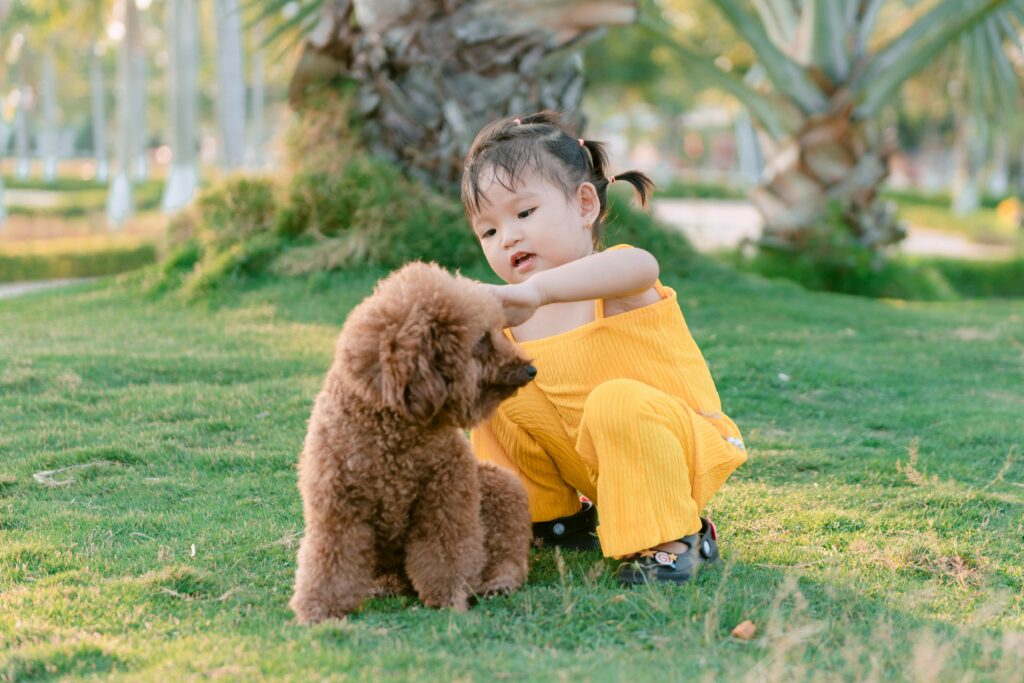
Poodles are extremely smart and come in three different sizes (standard, miniature, toy), so you will find the size that suits your lifestyle. Poodles are great at learning tricks, they love people, and they like kids. Because poodles have curly fur, it produces much less dander than most breeds, making them an ideal choice for those allergic to pet dander.
Standard poodles are especially great for active families because they love to run and play. Miniature and toy poodles can thrive in smaller homes and apartments. As smart as they are, poodles need lots of mental stimulation and interaction.
Newfoundland
Newfoundlands are huge dogs; however, they are gentle giants. One reason why Newfoundlanders are so popular is their patient, loving, and protective natures around children. Even though they are big, Newfoundlands are very affectionate and laid back, and make great household companions.
Newfoundlands were bred for water rescue work; therefore, they are natural swimmers. However, due to their thick coats, they require regular grooming. Due to their size, they require plenty of space to live.
If you want a calm, loving, and protective larger dog, then the Newfoundland would be a great choice.
Collie
Collies are smart and loyal dogs. What sets them apart from other breeds is their gentle nature and the bond they form with their family. Collies are highly trainable, normally attentive to their children, and enjoy playing outside.
At the same time, collies tend to be calm inside once they get the opportunity to engage in physical activity. While collies protect their family, they don’t tend to be overly aggressive. In fact, many collies develop strong bonds with family members. The beauty of their coats requires regular brushing to prevent matting and excessive shedding.
Bichon frise
Bichon frises are small, playful dogs with an outgoing disposition. Bichons are generally very good with children and can live in apartments. Bichons are social dogs that enjoy spending time with people and engaging in family activities.
Since Bichons have low-shedding coats, they still require regular grooming to keep them healthy. Due to their flexible personalities and moderate exercise requirements, Bichons can be an excellent alternative for families looking for a small dog companion.
Irish setter
Irish Setters are high-energy, loving dogs with beautiful red coats. They are friendly, outgoing, and enjoy an active lifestyle with families. If you are an outdoorsy person who enjoys activities such as hiking, running, or playing in a large yard with your children, Irish Setters could be a perfect addition to your family.
Irish Setters are intelligent; however, they tend to be overly excitable early on in life. Once trained and exercised consistently, Irish Setters become well-adjusted, loving companions for active children.
Things to think about when choosing your family dog
While there are many great dog breeds out there, the best breed for your family will depend on multiple things beyond how cute he looks!
Energy levels
Some breeds require a lot of physical activity every day; others prefer to lounge around. You should pick a dog that has an energy level similar to yours.
Size
Larger dogs take up more space and eat more; smaller breeds can adjust to apartments and houses that are smaller.
Coat grooming
Some breeds lose a tremendous amount of hair and require constant brushing; others require expert groomer visits regularly.
Personality
If you’re planning on having a family with young children, you’ll want a dog that is tolerant of noise and chaos, also patient and willing to put up with mischief.
Training needs
Intelligent breeds can learn new things quickly; however, this doesn’t mean they don’t need consistent training or mental stimulation.
Commitment time
Your dog needs attention (companionship), exercise (running around), training (learning new things), and general care (eating, sleeping, etc.). Therefore, you must select a breed based on how much time you have available each day.
Are mixes good family pet options?
Yes, mixes can make excellent family pets. There are many mixed-breed dogs that possess fantastic temperaments, which include loving, intelligent, and accommodating characteristics.
Many adoption centers/shelters have wonderful-tempered dogs just waiting for forever homes. Additionally, since mixes contain a wide range of genetics, some studies show that mixes have fewer genetic problems than purebreds. You should judge your potential pet by its personality, energy levels, and compatibility, not just breed.
Final thoughts
There is no “best” breed for all families; it ultimately comes down to what works best for your individual lifestyle. Some popular breeds among families include labradors (for their intelligence), goldens (for their friendly attitude), beagles (for their playful nature), cavaliers (for their sweet dispositions), boxers (for their fun-loving attitudes), poodles (for their low-maintenance grooming requirements), and many others!
Related reading: Labrador Retriever Breed Guide, German Shepherd Breed Guide, Golden Retriever Breed Guide