
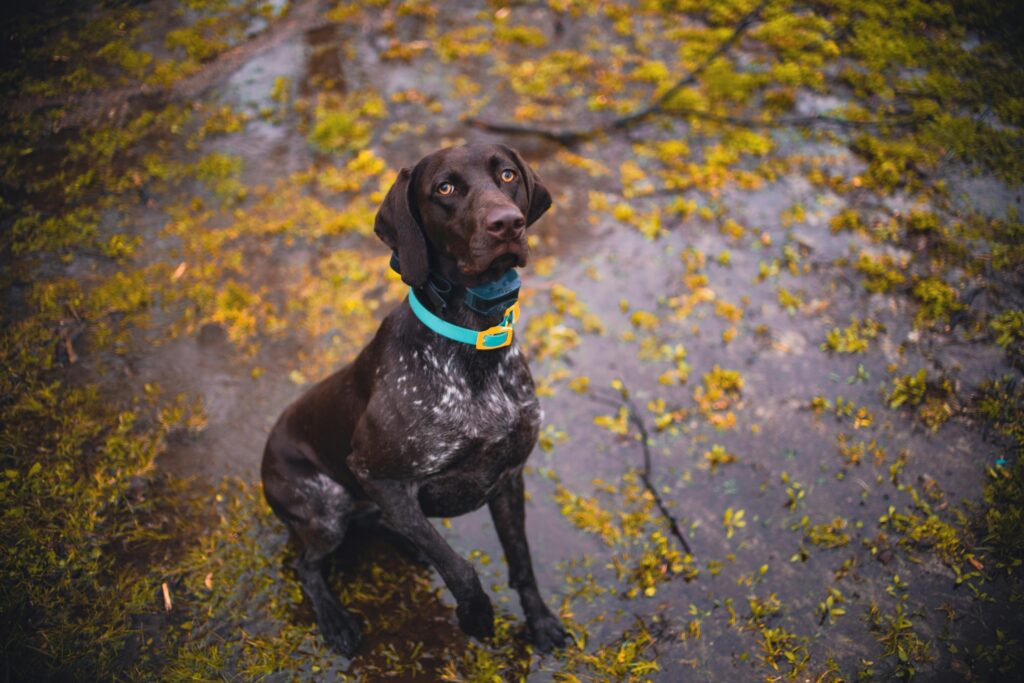
Training a dog is all about being consistent, patient, and having the right equipment. Treats, praise, and repetition form the basis of any successful training program; however, a good training collar can enhance your ability to effectively communicate with your dog, and also increase your safety during walks, recalls and off-leash activities.
There are numerous new features in today’s high-tech training collars, including vibration alerts, tone modes, waterproof designs, GPS tracking capabilities and adjustable stimulation levels. The development of these newer features has allowed for more controlled and humane training experiences.
According to recent testing by Field & Stream, modern e-collars and GPS systems are becoming increasingly reliable, long-lasting and easier to operate than previous models.
Every dog requires a different type of collar based on their specific needs. For example, some dogs may only need assistance with walking properly on a leash, while other dogs will need assistance learning off-leash recall or locating game in hunting fields. Ultimately, selecting the correct collar for you and your dog will depend upon your dog’s size, temperament, training objectives and experience level.
Different Types of Dog Training Collars
To assist you in making an informed purchase regarding which type of training collar you should buy for your dog, it would be helpful if we could review the different types of collars that exist.
Flat Training Collar
A flat training collar is essentially the typical everyday collar that most dogs wear. Flat collars are great for attaching ID tags, leashes and providing the foundation for basic obedience training. These collars are ideal for dogs that currently walk quietly on a leash and do not pull significantly.
Although flat collars are affordable, easy to use and readily available (and therefore a convenient option), they have very little corrective power for aggressive or reactive dogs.
Martingale Collar
Unlike regular flat collars, Martingale collars tighten somewhat when the dog pulls — thereby preventing them from escaping. This style of collar is particularly useful for smaller breeds with narrower head shapes (i.e., Greyhounds or Whippets).
As Martingale collars gently tighten around the neck, without applying too much pressure, this makes them a popular choice among many professional trainers who prefer to avoid causing discomfort or stress to their canine clients.
Vibration and Tone Collars
Collars that utilize either tone or vibrations instead of static stimulation are generally used for recall training, barking correction, and reinforcing commands from greater distances. Vibration collars are typically considered better alternatives to stimulation-based systems by those with highly sensitive dogs.
Best Dog Training Collars Reviewed
1. Garmin Alpha 300i with TT25 Collar
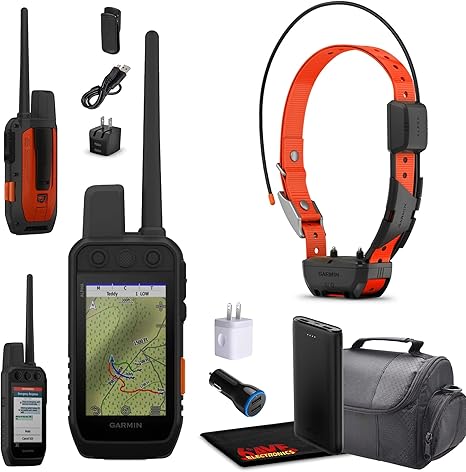
Garmin’s Alpha 300i is often rated as one of the most advanced dog training products currently on the market. The product combines GPS tracking technology with navigation technology, an emergency communication system, and a remote training system into one portable handheld unit.
One of the key advantages of The Alpha 300i is that it has a very visible display screen, and it can provide long-range tracking and/or reliable communication over extended distances. Because of these capabilities, the Alpha 300i is extremely popular among hunters, professional trainers and other individuals using their dogs in outdoor environments who require dependability for long-distance use.
Features:
- GPS tracking range up to 9 miles
- Supports multi-dog tracking
- The product is waterproof
- Training options include tone/vibration/stimulation modes
- Product includes topographic maps and navigation technology
Advantages:
- The Alpha 300i provides high-quality and accurate tracking of your dog(s).
- Unit is built to be durable and withstand being used in harsh outdoor conditions.
- Battery life of the unit is excellent for long-duration use.
- Alpha 300i provides ideal performance for hunting and working dogs.
Disadvantages:
- The cost of a unit can be expensive.
- The product may have more than some casual users need.
Check Price on Amazon:
https://amzn.to/43Fihcf
2. Garmin Pro 550 Plus
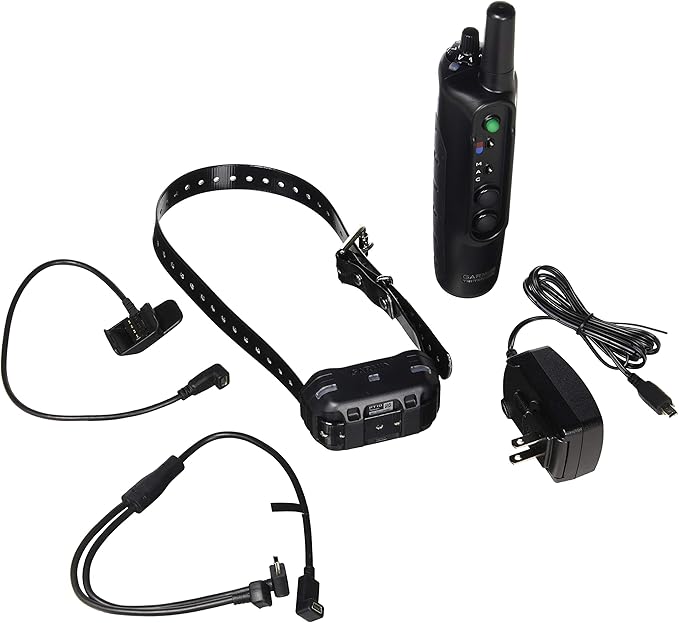
The Garmin Pro 550 Plus is a great option for those with dogs wanting training capabilities without the high-end GPS feature set. The remote has very user-friendly controls that respond well and are easy to use when you are in the middle of an active training session. This unit is popular among those doing obedience training, as well as recall work, and off-leash reliability.
Features
- 18 levels of stimulation
- Simple handheld controls
- GPS will show direction and distance from where you are
- Supports up to three (3) dogs.
Advantages:
- Very easy to run
- Reliable range of the signal
- Durable construction
- Great for recall training
Disadvantages:
- Large remote unit
- Does not have advanced GPS mapping options.
Check Price on Amazon:
https://amzn.to/4uD7471
3. SportDOG Wetland Hunter 425X
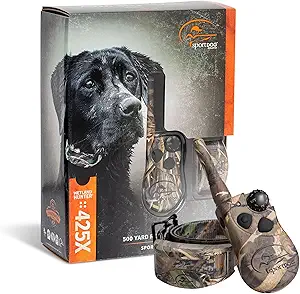
The SportDOG WetlandHunter 425X was developed specifically for working sporting breeds and retrievers that often train in or near bodies of water. As such, its ruggedized, waterproof construction allows for dependability even in the muddiest and wettest environments. The small size of the remote unit is another major plus for actively moving trainers.
Features
- Waterproof and submersible
- Compact remote transmitter
- Tone, vibration, and stimulation settings
- Expandable for multiple dogs
Advantages
- Excellent waterproof protection
- Lightweight handheld remote
- Reliable for outdoor environments
Disadvantages
- No advanced GPS tracking
- Shorter range than premium hunting systems
Check Price on Amazon:
https://amzn.to/4wa7xir
4. DT Systems DD700
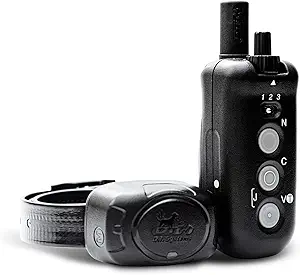
The DT Systems DD700 is probably the most affordable dog training collar available today. With good range, reliable operation and basic training functions at an entry-level price, this unit provides outstanding value for money. For users needing a functional training collar for everyday obedience-type tasks, this is a very good all-around product.
Features
- 700-yard range
- Waterproof design
- Tone and vibration modes
- Compact handheld remote
Advantages
- Affordable pricing
- Good training range
- Lightweight transmitter
- Easy setup process
Disadvantages
- No GPS features
- Uses disposable batteries
Check Price on Amazon:
https://amzn.to/4a2vWxB
5. SportDOG NoBark SBC-10
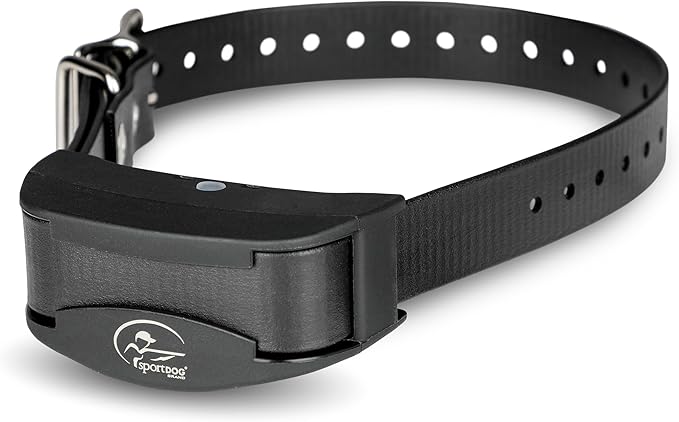
Barking can be very frustrating not only for owners but also for their neighbors. One way to reduce excessive barking is with the progressive correction levels found in the SportDOG nobark sbc-10.
The collar will automatically adjust based on how often your dog barks, helping to encourage learning without over-stimulating your pet.
Features
- Automatic bark detection
- Progressive correction system
- Waterproof collar
- Adjustable sensitivity
Disadvantages
- Accurate bark detection
- Humane correction progression
- Durable waterproof build
Disadvantages
- Not designed for obedience training
- No vibration-only mode
Check Price on Amazon:
https://amzn.to/3QkJ2Qc
Are E-Collars Safe?
E-collar remains one of the most debated topics in dog training. While many professional trainers assert that today’s e-collars can be both safe and successful if properly introduced and utilized at low stimulation levels, it is likely that nearly all professional trainers will acknowledge some degree of risk when using these devices. Experts tend to concur on many guidelines to ensure e-collar use is safe and successful:
- Positive reinforcement-based training should begin first.
- The lowest possible stimulation level (that still achieves the desired effect) should be used;
- E-collars should never be used as a form of punishment;
- Proper conditioning of the e-collar is essential.
- A trainer’s ability to consistently train their dog is far more significant than how much correction is being used.
While there is little doubt that poorly used e-collars have the potential to cause fear, anxiety and/or confusion in a dog, responsible use and proper education are critical for achieving successful results.
How to Choose the Best Dog Training Collar for Your Needs
Range
Consider what type of area you plan to use the training collar in. A backyard obedience training session may only require a few hundred feet of range, but a hunting dog needs multiple miles of coverage.
Water Resistance
If you have an outdoor dog, a water-resistant e-collar will allow them to get wet and muddy in addition to going swimming.
Variety of Options
Since every dog reacts differently to different types of stimuli, having a variety of tone, vibration and stimulation levels can help tailor the training process to meet the specific needs of each dog.
Battery Life
Using rechargeable batteries will make battery life easier to manage and save money over time.
Fit & Comfort
The collar itself should fit comfortably around your dog’s neck and not rub uncomfortably against the skin. Some smaller breeds may also prefer a lightweight unit.
Conclusion
Ultimately, the best dog training system for your dog will depend on your dog’s individual personality, activity level, and training goals. The premium systems, such as Garmin Alpha 300i, provide GPS capabilities and high-end performance ideal for serious dog trainers, while less expensive models, such as DT Systems DD700, offer excellent training capabilities for everyday activities.
Regardless of which e-collar model is chosen, no device can replace good, solid training practices, patient consistent effort and proper socialization. As stated previously, positive reinforcement training methods should always be the backbone of any successful training program.