
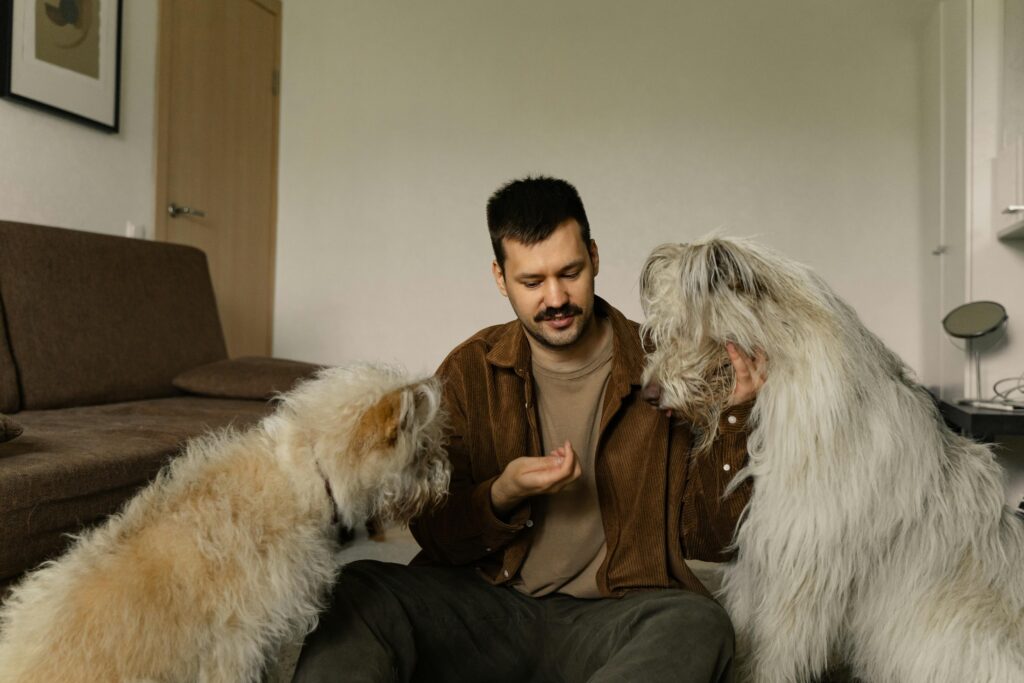
Many dog owners love their dogs as much as anyone else, but there is an error in their knowledge of how to provide their dogs’ basic needs. These errors are normally made by accident because most dog owners do not have previous experience or do not realize the needs of a dog. Fortunately, all of these are easy to correct once recognized.
A well-cared-for dog needs the right amount of training, exercise, diet, routine, and time. Any area left out or completed incorrectly can cause behavioral problems, stress, or long-term health issues.
Not Providing Enough Exercise
Probably the most frequent mistake that owners of dogs make is providing little or no physical activity. Dogs, especially those that were bred to be highly active, need constant physical activity to remain healthy and in balance. If a dog receives no physical activity, they may exhibit restlessness, overeating, and/or destructive habits such as chewing and excessive barking.
Short daily walks and play sessions will greatly enhance your dog’s quality of life. Not only is physical activity necessary for a dog’s body, but it is also beneficial for his/her mind. Regular physical activity aids in maintaining a dog’s calmness and focus.
Inconsistent Training
Training a dog requires consistency. One of the most frequent mistakes made by owners of dogs is being inconsistent with training. Owners allow some of their dog’s bad behaviors while punishing (or discouraging) other bad behaviors. The inconsistency causes the dog to be confused and hinders the process of training.
An example of this would be if you allowed your dog to jump up onto the couch on Monday and then punished him for doing so on Tuesday. The dog will not know what he is supposed to do. All members of the household should use the same method of training (same rules), so the dog understands which actions are acceptable and which are not.
Overfeeding or Poor Diet Management
There are many ways owners can mistake the amounts fed to their dogs. Some examples include: feeding your dog too much, feeding your dog too many treats, or giving your dog too much human food. These actions result in obesity and health-related problems.
Each dog has specific nutritional needs depending on its age, size, and level of activity. Feeding your dog according to its nutritional needs and adhering to a set feeding schedule maintains your dog’s ideal weight and minimizes potential long-term health issues (such as strained joints and diabetes).
Lack of Socialization
Another frequent error committed by owners of dogs is failing to expose their dogs to new environments, people, and animals early in their lives. Failing to socialize a young puppy properly can cause the puppy to develop fears, anxieties, or aggressive responses towards unknown stimuli.
Socializing your dog provides him/her with confidence and calmness in new surroundings. Although puppies are typically socialized earlier than adult dogs, adult dogs can also benefit from slow introduction and positive encounters.
Ignoring Mental Stimulation
Many owners believe that providing physical activity is sufficient for a dog’s overall well-being. They fail to realize that mentally stimulated dogs are significantly more content than those who are only physically stimulated.
As previously stated, dogs are intelligent creatures that require activities designed to challenge their minds in order to achieve a state of balance. A dog that is deprived of adequate mental stimulation may be content physically, but is likely to exhibit undesirable behaviors. Examples of ways to stimulate your dog’s mind include puzzle toys, training sessions, scent games, and interactive play.
Leaving Dogs Alone for Too Long
Dogs are pack animals that thrive on interaction with other living beings. Leaving a dog home alone for extended periods of time can create anxiety and stress in dogs, leading to undesirable behaviors such as destruction of property, etc.
While individual tolerance varies among dogs, most dogs will benefit from interaction with humans and/or other living beings, routines, and attention throughout the course of each day. Activities, including arranging walks, hiring a pet sitter, or enriching your dog’s environment through play or learning exercises, can alleviate boredom/loneliness.
Poor Routine and Lack of Structure
The comfort level for a dog increases dramatically when a structured routine is established and maintained. Random walk schedules, irregular feeding times, and unpredictable sleeping patterns create anxiety within dogs.
Establishing a routine allows for the regulation of your dog’s behavior, enhances digestive processes, and simplifies the training process. As mentioned previously, dogs have an innate ability to establish routines once they know what is expected of them each day.
Ignoring Health Checkups
Finally, neglecting veterinary care is perhaps the most frequent oversight made by owners of dogs. Many owners wait until their dog exhibits obvious signs of illness before scheduling veterinary appointments. However, routine veterinary exams enable veterinarians to identify illnesses early on in the disease process (prior to symptoms appearing).
Preventative measures (e.g., vaccinations, dental care, and preventative screening tests) are far simpler and less stressful than treatments for conditions that could have been prevented.
Using Harsh Training Methods
Unfortunately, many owners continue to utilize punishment-based methods of training their dogs, believing that these methods will assist in correcting undesired behaviors more rapidly. Instead, punishment-based methods often create fear within a dog and damage the trust between a dog and his owner.
Positive Reinforcement Training (rewarding desired behaviors) produces significantly greater results and fosters a strong bond between a dog and its owner.
Not Understanding Breed Needs
Many people who decide to get a new pet often do so on impulse; they do not understand the needs of the specific breed of dog. Every breed of dog has its own unique needs in terms of energy level, instinctual behavior, and basic care. Many dog owners choose a dog without first considering what will be required to meet those needs. For example, some breeds of dogs have extremely high energy levels and need significantly more physical activity and mental stimulation than others. If an owner does not recognize these differences and consider them prior to or at the time of adoption, then many problems can arise, which may lead to behavioral issues.
Conclusion
Ultimately, the majority of problems dog owners experience are due to a lack of knowledge as to how to provide for a dog’s physical and emotional needs. To address this problem, owners should focus on five major components: exercising the dog regularly, providing proper training for the dog, ensuring that the dog receives adequate nutrition, socializing the dog properly (in other words, allowing the dog to interact with other dogs), and establishing a consistent routine. When these components are addressed on a daily basis, the end result is typically a dog that is physically and mentally healthy, calm, and well-behaved. Awareness of these potential mistakes allows dog owners to develop a better bond with their pets while creating a happy environment for all involved.
Related reading: Best Age to Start Puppy Training, How to Deal with Obsessive Licking in Dogs, Crate Training a Puppy: Complete Beginner Guide