
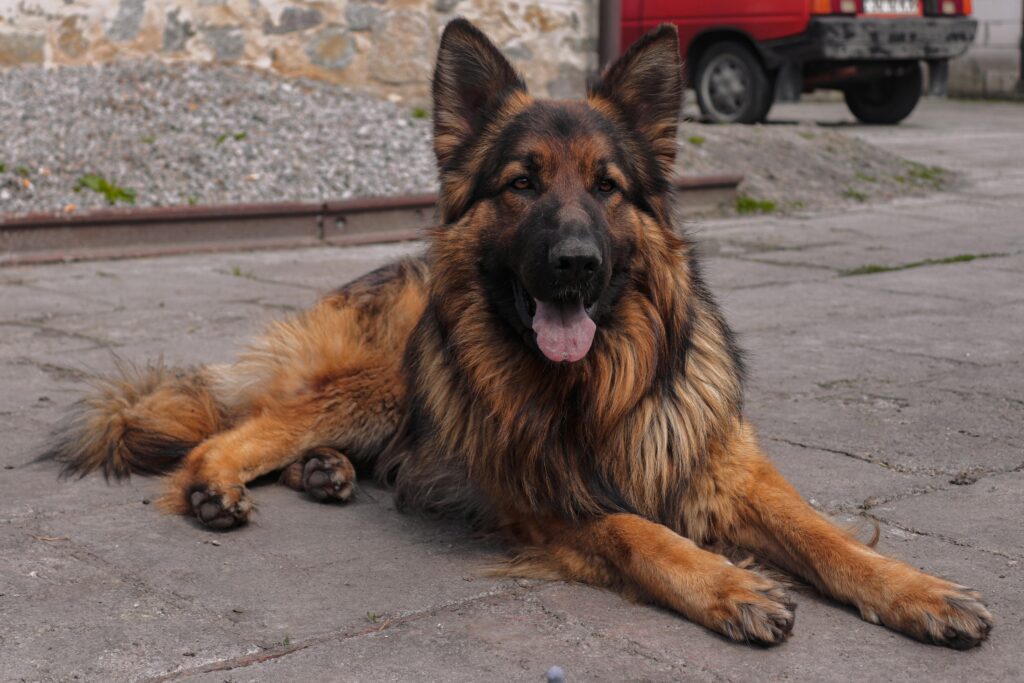
German Shepherds are some of the most common and well-liked dog breeds around the world. The traits most associated with German Shepherds include: high levels of intelligence; loyalty; courage; and a variety of uses (such as police work; military service; search and rescue; etc.) German Shepherds have an extraordinary level of trainability and can develop strong relationships with their owners while thriving in active households.
Originally bred in Germany as herding dogs, German Shepherds were also early on recognized for their protective instincts. As such, today German Shepherds are known for being able to do a lot of different jobs using their natural abilities and at the same time be great family pets.
History and Origin
During the later part of the nineteenth century, Captain Max von Stephanitz created the German Shepherd breed in Germany. Stephanitz wanted to produce the ultimate working dog that would have strength, intelligence, obedience, and endurance. Originally, German Shepherds were bred to herd sheep and protect livestock.
As people discovered the breed’s intelligence and adaptability, they began to use them in areas other than just herding. In addition to herding, German Shepherds found new careers as military dogs, police dogs, guard dogs, guide dogs, and search-and-rescue companions. Over time, due to their loyalty, confidence, and quickness to learn, the breed has become very popular all over the world.
Appearance and Physical Characteristics
German Shepherds are typically larger, athletic dogs built for strength and agility. They normally range in height from 22 to 26 inches (height), and typically weigh anywhere from 50 to 90 pounds. The typical German Shepherd has a double layer of fur: a thick undercoat, with an outer layer of longer fur. They have erect ears, a bushy tail, and a strong body. Common colors for German Shepherds include: Black Tan, Sable, Solid Black, and Gray Bi-Color. Depending on genetic traits, some German Shepherds will have a short coat, and others will have a long coat.
Temperament and Personality
German Shepherds are smart, attentive, and self-assured dogs that are naturally protective. As such, they tend to make great watchdogs and family protectors. When trained and socialized correctly, German Shepherds tend to be very affectionate and loving dogs that often develop close relationships with their family, including children. German Shepherds love to participate in family activities and tend to thrive when they feel part of the group.
Are German Shepherds Good Family Dogs?
As long as German Shepherds receive proper training and socialization, they can be excellent family pets. Their devotion and instinctive protection make them wonderful companions for families who actively engage with their pet. Since they are intelligent and high-energy, it is necessary to give them ample opportunity for exercise each day. If they don’t get enough physical or mental stimulation, German Shepherds may exhibit undesirable behaviors such as excessive barking, digging, etc., and or destructive chewing.
Exercise Requirements
This breed needs plenty of physical activity. German Shepherds were originally bred as working dogs; therefore, they enjoy performing tasks like long walks, running, hiking, playing fetch, agility training, obedience training, and games involving problem-solving. The average adult German Shepherd needs approximately 1-2 hours of physical activity each day, combined with mental stimulation. Games, training exercises, puzzle toys, and obedience exercises help to keep their mind occupied and minimize boredom.
Training and Socialization
Generally speaking, training a German Shepherd tends to be easier than many other breeds since they want to please you. Training your German Shepherd should begin immediately after bringing them home. It’s imperative to teach social skills to your German Shepherd by introducing them to new individuals, people, places, sounds, etc., as early as possible. This will help your German Shepherd become a confident, well-adjusted adult. Basic obedience command training is also essential to avoid future behavioral issues. German Shepherds tend to respond positively to calm, consistent, confident direction. Harsh punishment could potentially create fearful dependent behavior. A combination of reward-based training and structured training sessions tends to produce the desired results for this breed. Due to their intelligence work ethic, German Shepherds are often successful in advanced training and or employment roles.
Grooming and Shedding
German Shepherds are heavy shedders due to their double-layered coat. They lose some amount of hair year-round but tend to lose significantly more hair seasonally in the Spring Fall. In order to reduce shedding and promote a healthy coat condition, regular brushing is crucial to remove dead, damaged hair. Bathing should occur only as needed due to potential drying effects on the skin coat if bathed excessively.
Nail trimming, ear cleaning, and dental care are important aspects of general grooming, maintaining the overall health of your German Shepherd.
Common Health Problems
Similar to many other large breeds of dogs, German Shepherds may encounter various health-related concerns. Both hip and elbow dysplasia are common issues affecting mobility and comfort in German Shepherds. Additionally, degenerative myelopathy is a neurologic issue that affects coordination and mobility in older German Shepherds. Allergies, skin issues, and bloat (a severe gastric condition) can also impact the overall health of German Shepherds. To ensure the longevity of your German Shepherd, regular vet visits, proper nutrition, exercise, and responsible breeding practices are all beneficial.
Diet and Nutrition
To meet the needs of their high level of athleticism and muscle mass, German Shepherds require a well-balanced, high-quality diet. Diets should consist of nutrient-rich foods containing quality protein, fats, vitamins, and minerals that support joint health.
Puppy food formulated specifically for large breeds is often suggested during developmental stages to support optimal bone and joint development. By providing two well-balanced meals a day and maintaining a suitable body weight, you can help ease pressure on your German Shepherd’s joints and minimize the likelihood of obesity related issues.
Living With a German Shepherd
German Shepherds prefer to live in households where they are viewed as integral members. Generally speaking, German Shepherds are social animals that do not do well when separated from family members for extended periods of time. Therefore, ideal owners would be those able to commit sufficient time towards training, exercising, and socializing their pet daily.
While some German Shepherds may adapt well to apartment dwelling, the majority of the breed tend to fare better in houses with adequate room for physical activity. For maximum satisfaction and enjoyment, German Shepherds desire to have a purpose and thrive when mentally stressfully challenged.
German Shepherd Puppies
During puppyhood, German Shepherds are naturally full of energy, curious, and intelligent. Proper training and socialization during these critical first few years are vital in helping shape confidence and good manners in adulthood. Introduce your German Shepherd puppy to multiple human environments, sights, sounds, etc., safely and positively as soon as possible.
Establish consistent routines, offer appropriate chew toys, feed your puppy a balanced diet offering regular veterinary care, and your puppy will mature healthily. Due to the rapid growth rates of German Shepherd puppies into large, powerful dogs, the early establishment of good habits is essential.
Is a German Shepherd Right for You?
German Shepherds are suitable companions for families seeking an intelligent, loving, active dog. These dogs serve as reliable guardians for their families and function well in working training settings.
Please note, however, that German Shepherds are NOT “low-maintenance” dogs. Owners must commit themselves to spending time training structure nurture their dog(s). Owners who dedicate time and attention to training their German Shepherds often develop lasting and rewarding relationships with their canine companions.
Conclusions
In conclusion, the German Shepherd is a versatile, loyal, and intelligent breed appreciated by many worldwide for their intelligence, devotion, and versatility. Regardless of whether employed as a working dog or a guardian companion for the family, the German Shepherd is currently regarded as one of the world’s most esteemed dog breeds.
By committing to train, socialize, exercise, and caring for your German Shepherd properly, it can evolve into a loving member of your family, a long-lasting companion.
Related reading: Doberman Personality Traits and Behavior Guide, Shih Tzu Grooming Needs and Maintenance Guide, Best Dog Breeds for Families