
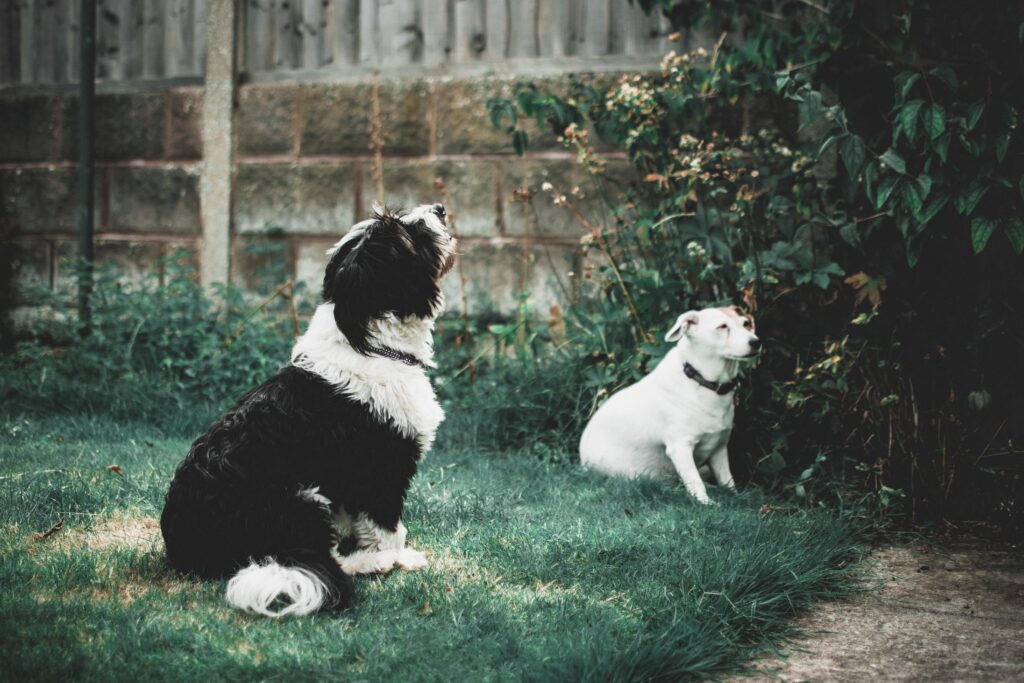
A dog-friendly garden is a safe and pleasant outdoor area where your dog can explore, play, and rest without risk of harm or exposure to dangerous plants or chemicals. Many traditional gardens contain hazards that owners often overlook, such as toxic plants, sharp corners, and fertilizers. Creating a space that really considers your dog’s needs benefits their health, promotes healthy activity, and gives them a secure place to enjoy being outdoors.
Planning a Safe Layout
Designing a garden friendly to dogs starts with planning a layout that focuses on safety and movement. Dogs need lots of room to walk freely, sniff around, and explore without coming across dangerous spots.
Avoid designs that are too cluttered with tight spaces where your dog might get stuck or hurt. Instead, create open pathways and distinct play, rest and exploration areas. Thinking about your dog’s size and energy level is also helpful. Active dogs will probably need more open space while smaller dogs might benefit from safer defined areas.
Choosing Safe and Non-Toxic Plants
Not all plants are safe for dogs and some common plants in gardens can be dangerous if they are chewed or eaten. When designing a garden that is safe for dogs, you want to choose safe plants. Lavender, rosemary, marigolds and sunflowers are good choices. They add beauty and pose no unnecessary risks.
Plants like lilies, oleanders, azaleas and bulbs that are toxic you should avoid. If you are not sure about a plant, it is better to do some research before adding it to your garden.
Creating Designated Digging Areas
Many dogs naturally like digging, and this can be a problem in neat gardens. Rather than trying to stop this instinct, redirecting it is usually better. You can designate an area using loose sand or soil where your dog can dig freely. Encourage your dog to use this space by burying toys or treats there. This lets you protect other parts of your garden while still allowing your dog to express natural behavior.
Ensuring Secure Boundaries
A secure fence or boundary is essential in any garden that welcomes dogs. It keeps your dog safe from escaping and protects them from dangers from outside. Fencing should be high enough according to your dog’s size and behavior. Stronger and higher barriers may be needed for energetic breeds or those that jump a lot. Checking regularly for gaps or weak spots is also important because dogs can quickly find and take advantage of small openings.
Avoiding Harmful Chemicals
A lot of things we put into our gardens to control pests (pesticides) or weeds (herbicides), or to grow healthy plants (fertilizers) are also toxic to dogs. So when you’re making a dog friendly garden, one of the best ways to do this is to avoid using all of those types of products. If you have to treat something in your garden, try to find some pet-safe substitutes that will work. And always read the label carefully. Don’t let your dog go near an area that has been sprayed until it’s safe.
Providing Shade and Rest Areas
Dogs need nice places to rest, especially during hot weather. Creating shady areas in your garden helps protect them from overheating. This can be done naturally by using trees to provide shade or by using artificial shelters like small dog houses or areas covered for people and dogs. Offering soft spots to rest after play reduces stress when they spend time outdoors.
Adding Water Access
Fresh water should always be readily available in a garden that dogs can enjoy. Dogs can quickly become dehydrated, especially when playing outdoors or during warm weather. A stable bowl placed in a shady area usually suffices. Make sure the bowl is always clean and refilled regularly. Some owners also include small features with shallow splash areas that dogs like to play with if they enjoy playing with water.
Designing Safe Play Zones
Creating a special play area keeps your garden neat and safe. This area can include open grass for running around and soft ground for play. Avoid things that are sharp, unstable decorations, or fragile structures that might tip over. Changing toys and activities in this space keeps your dog active and mentally stimulated too.
Protecting Plants and Garden Features
Dogs can damage plants or garden structures by digging, chewing, or running through beds. One way to prevent this is to put protective barriers around delicate areas. Raised beds, fencing around plants, or natural borders can help protect your garden and still allow your dog to move safely. Gradually training your dog to respect certain boundaries also reduces damage over time.
Providing Mental Enrichment Outdoors
A dog-friendly garden needs to provide both safety and stimulation for your pet. The opportunity for dogs to sniff, roam around, and react to their surroundings is as important as their safety in that area.
The dog’s mental health will benefit from you hiding objects (toys), creating “scent” trails through the yard, or introducing various types of materials such as grass, rocks/pebbles, or wood for them to physically discover.
Therefore, your garden becomes an environmental stimulus instead of a purely physical setting.
Maintaining Cleanliness and Hygiene
Cleaning regularly is important in a garden that welcomes dogs. Waste should be removed quickly to keep hygiene high and to avoid bad smells. Keeping the garden clean also reduces the risk of parasites or contamination. Regular maintenance of grass, soil and water areas keeps the environment healthy too. A clean space is nicer both for dogs and their owners.
Conclusion
Creating a garden that welcomes dogs involves careful planning, awareness of safety, and thoughtful design. By picking safe plants, setting secure boundaries, and creating special play and rest areas, you can build an outdoor space that supports both the physical and emotional health of your dog.
A well-designed garden lets your dog freely explore and stay safe at the same time and turns time spent outdoors into a positive and enriching experience. With consistent care and attention, your garden becomes more than just a space for plants; it becomes a shared environment where your dog can really flourish.