
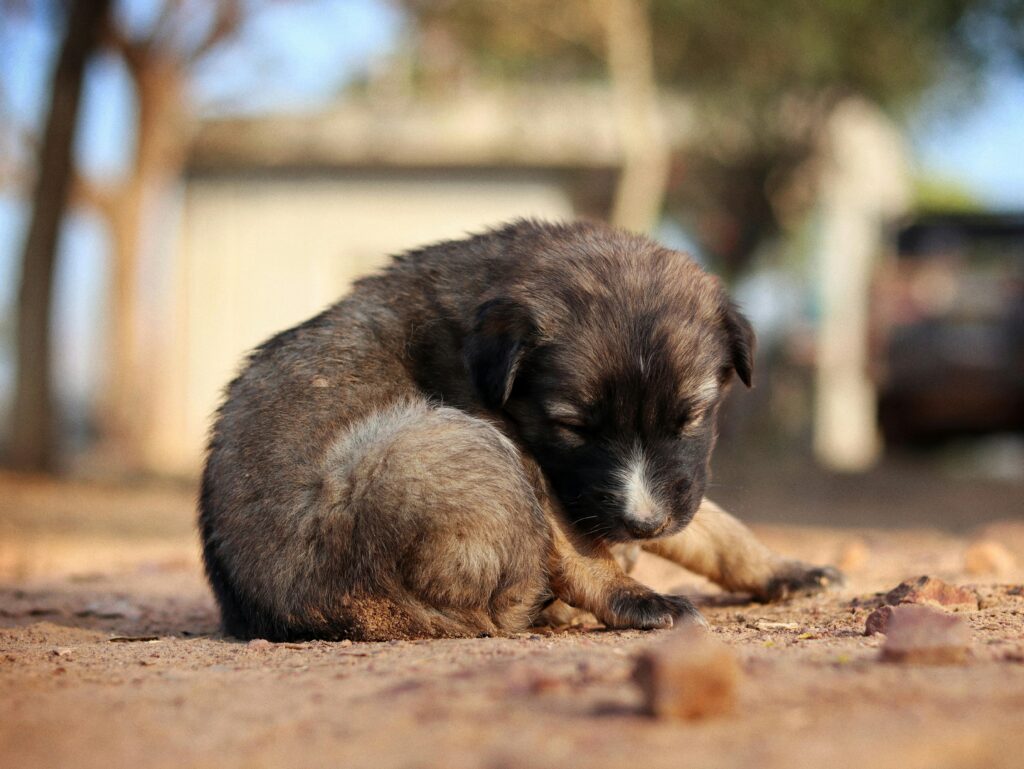
When a pet owner needs to leave their dog at home alone for any amount of time, destructive behavior is one of the most challenging aspects to manage. Chewed furniture, torn cushions, furniture that has been scratched, and trash strewn about the floor are just a few examples of what can take place when a pet owner leaves a dog at home.
It’s especially discouraging for pet owners to see destructive behavior while away, only to return home and find their dog behaving just as well as they did. Pet owners wonder what the reason is.
However, the reason for this destructive behavior can be attributed to one or a combination of several causes: emotional stress, lack of structure, boredom, and unmet physical and mental needs. Once the reason is identified, the behavior can be managed practically and effectively.
Understand the Root Cause First
It’s important to understand what the underlying reason for the destruction is before attempting to correct it. Dogs do not destroy things simply out of spite or revenge. That would be a human perception, not a dog motivation.
Most destructive behaviors that occur while a dog is alone are related to one or more of the following factors: anxiety due to separation from their owner, high levels of energy, boredom, not being trained to be left alone for extended periods of time, or having an unintentional positive reinforcement for destructive chewing or exploring behaviors.
Once the underlying cause is established, addressing the issue will be much easier and will provide more targeted and effective results.
Separation Anxiety and Emotional Stress
One common cause of destructive behavior while alone is related to anxiety that results from separation. A dog will experience anxiety and may feel discomfort or distress whenever he/she is left alone. Destruction can be utilized by the dog as a means of expressing his/her emotional tension, as well as a way to cope with anxiety.
Not every instance of destroying inanimate objects is caused by boredom or anxiety; rather, it can often stem from an emotional reaction of the dog’s level of distress, which may include the following signals: pacing, barking, whining, drooling, or following closely until the owner leaves.
Due to these feelings of anxiety, punishment for destruction may not safely stop the behavior. As the act of destruction occurred during a time of distress, the dog will likely not associate this act with the punishment when it is received at a later time.
Boredom and Lack of Mental Stimulation
Dogs don’t always destroy things because they are bored, but many times they will create their own activities when left alone without any external stimulation or direction. Chewing and exploring as self-directed actions become habits.
Dogs are curious and active by nature. By providing your dog with positive outlets to engage his/her mind, he/she will not have to find his own entertainment through destruction. This behavior is typically seen in puppies, high-energy breeds, and young dogs, as they would have to be mentally stimulated throughout the day.
Excess Energy and Inadequate Exercise
A dog that does not receive enough physical activity will inevitably release pent-up energy destructively. Therefore, a dog left alone without enough physical stimulation will become restless. Chewing, digging holes, or scratching can be methods used by dogs to work off extra energy.
Mental stimulation is as significant as physical exercise. A dog who is physically worn out, yet has not had the necessary mental stimulation, will still find ways of creating his/her own entertainment through destruction.
Lack of Training for Alone Time
Many dogs do not have any formal training on how to remain alone when their owner leaves. They are gradually conditioned to have a person present, and at some point, they are expected to remain calm when their owner is no longer physically present.
Hearing only the sound of their owner’s voice is not sufficient for dogs to cope with being alone. The act of being alone is, in fact, a learned skill that has to be developed in small amounts. Not being taught how to be left alone often leads to a dog expressing its discomfort in a destructive manner.
Accidental Reinforcement of Destructive Behavior
Many times, owners unintentionally reinforce their dog’s destructive behavior without even knowing that they have done so.
For example, when the owner returns home after the dog has chewed on something, the dog may receive attention for its actions, and not connect the negative outcome of chewing something it should not have chewed with the attention received. In some situations, indirect attention in connection with destruction reinforces the same behavior.
Additionally, when dogs are frequently left alone without barriers to valuable items, they will begin to develop a pattern of chewing in-house items.
Puppy Teething and Natural Chewing Instincts
Chewing for young dogs (particularly, puppies) is normally considered to be part of their natural development and serves as a natural way for them to relieve discomfort associated with teething.
If puppies do not have access to appropriate chewables (toys), they tend to turn to furniture, shoes, and household items. Chewing by puppies is not a deliberate act of disrespect; instead, it is instinct, and should be redirected instead of being punished.
How to Prevent Destructive Behavior
Provide Proper Physical Exercise
Physical activity is necessary for a dog before being left alone. Walking, agility training, or playing will help burn off excess energy that may cause destructive behaviors. The more tired a dog is at the time of being left alone, the more relaxed they will be at home and less likely to exhibit any repetitive destructive behavior. Balance is key; overexertion can lead to excitement and result in an overactive dog.
Add Mental Stimulation Before Alone Time
In addition to physical exercise, dogs need mental enrichment. For example, scenting games, obedience training, or puzzle toys are ways to mentally satisfy your dog while you are away. When dogs are mentally stimulated now, they will likely want to rest later and not seek out ways to entertain themselves in a destructive way.
Create a Safe and Structured Environment
One of the best ways to prevent a dog from destroying things is to manage the environment. Remove any items from the dog’s reach that are also targets for destruction: shoes, remote controls, garbage can lids, etc.
Instead, place safe chew toys in the dog’s area and designate a resting place. Using a confined or safe place to contain the dog can also be beneficial; however, crate training or confining to an area must be introduced to the dog gradually and positively. The purpose of creating a safe, confined area is not to restrict freedom but to provide safety and organization.
Teach Gradual Independence
The best long-term solution for a dog being left alone is teaching the dog to be independent by leaving them alone for small periods of time, then gradually increasing the duration.
Start by leaving the dog alone for less than five minutes; as the dog becomes more comfortable with longer periods of time without you, increase the duration of time you leave them alone gradually.
The training process is positive for dogs as it builds a better sense of confidence and reduces their constant emotional need for human presence.
Avoid Emotional Departures and Returns
The more emotional you are when leaving and coming home will only create stress for your dog when you leave for either of those times.
Instead, make the departure as calm as possible. The more you can create a calm and routine-style of departure, the better chance you have to help your dog feel less anxious about being left alone.
Use Appropriate Chewing Alternatives
It is very natural and instinctual for dogs to chew and have something they can successfully chew on. Chewing on furniture, however, will only lead to an expression of frustration from you, which is not helpful to your dog.
Provide them with lots of safe and enjoyable chew options for the purpose of redirecting their natural chewing instinct into something appropriate or allowable, rather than your furniture.
Reinforce Calm Behavior
You should consistently reward your dog whenever you are able to positively observe calm and relaxed behavior. You should continue to reinforce this behavior, even when you are at home, so that over time, you will create the expectation that this is the default state for your dog.
When dogs learn to be calm as opposed to anxious and/or destructive, this will not only create less stress on the dog when they are left alone, but it will also create an expectation for the dog to remain calm and relaxed while being alone.
Avoid Punishment After the Fact
It will be ineffective to punish a dog after you have discovered that they have committed a destructive act. Dogs cannot associate delayed punishment with previous behavior.
When you do punish a dog only after the dog has committed a destructive act, this actually causes the dog to have an increased level of anxiety as the process gets coalesced over time into an expectation that will only create additional problems in the future.
Once again, focus instead on the prevention and management of the environment and training protocols.
When to Seek Professional Help
If your dog’s level of destructive behavior is extreme, continues to occur, and/or is being accompanied by excessive barking, drooling, or showing signs of being distressed when left alone, it may be imperative that you seek the assistance of professionals.
Depending on the problem (anxiety), your veterinarian or a certified behavior specialist can assist in determining if there may be an underlying medical condition contributing to the problem, and then they would be able to assist you in putting in place a procedure for training your dog.
Conclusion
Dogs often engage in destructive behavior while their owners are away from home (such as chewing on furniture or clothes) due to a variety of factors that may include boredom, anxiety, and/or lack of proper training. Identifying the reason for this destructive behavior is the key to successfully addressing it before it becomes an ongoing problem.
With the proper training and socialization, combined with appropriate amounts of exercise, mental stimulation, and gradual independence training, most dogs can learn to relax and calm down when left alone; however, it does take time and commitment to successfully change a dog’s behavior.
If you work on changing your dog’s behavior to be a calm, independent dog, you will create a much more stable, stress-free home life for you and your dog, as well as for all family members living in the same household.