
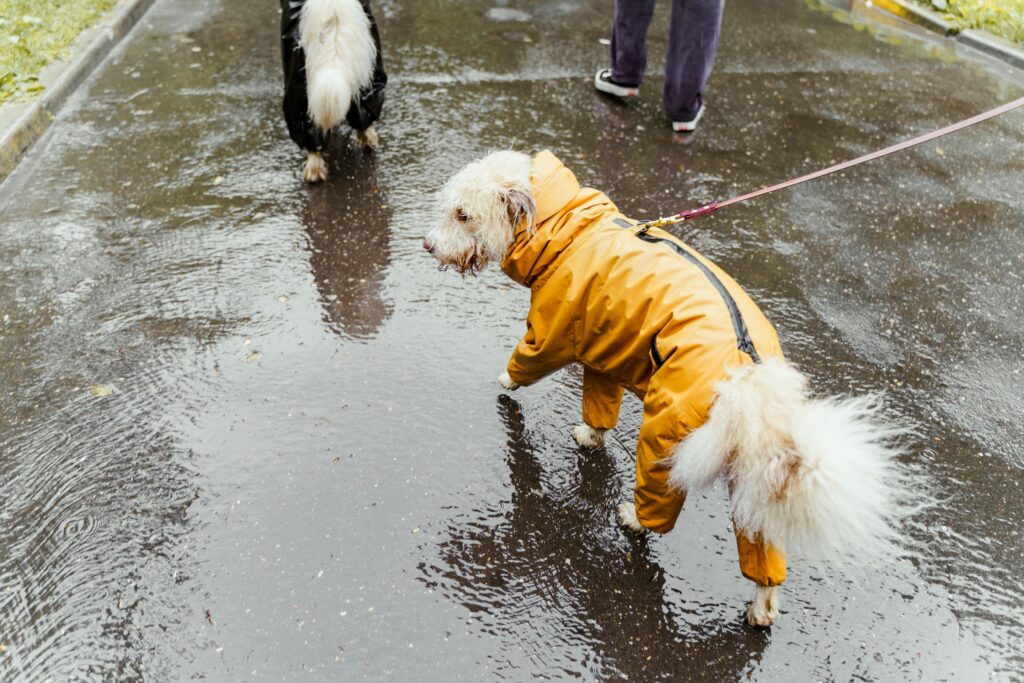
The weather directly affects your dog’s behavior, activity, and interaction with the environment. Dogs do not have the same ability to adjust their clothing or routines as humans do; therefore, dogs generally depend upon their instincts and comfort level with their physical surroundings. The temperature, humidity, rainfall, wind, and seasonal changes can greatly affect your dog’s energy level, mood, and daily activities. Understanding how the weather affects your dog will enable you to modify their exercise routines and provide them with a comfortable living environment during all seasons.
Hot Weather and Its Effects on Dogs
Reduced Energy and Activity
Dogs will modify their behaviour when the weather is hot to help them manage their body temperature. You will see your dog being less active and less likely to play with you, resting a lot more, and being difficult to take on long walks during very hot times.
The primary way for dogs to cool off is by panting, which is not nearly as efficient as human beings’ ability to cool down via sweating. Because of this, dogs will conserve more energy when it is hot by reducing their normal activity.
Increased Irritability and Discomfort
Heat can create a very irritable or restless dog. Your dog may not want to settle down, be slow to respond to your requests, or try to find places to lie down that are cooler (tiles or shaded areas).
Dogs with heavy coats or brachycephalic (flat-faced) dogs tend to be more susceptible to heat, and therefore they can show more pronounced changes in behaviour.
Higher Risk of Overheating Stress
When the temperatures are too high, dogs can be less responsive when being trained and when out on walks. They can also look tired, distracted, or unwilling to participate in normal daily activities.
Cold Weather and Its Effects on Dogs
Decreased Outdoor Activity
Cold weather generally results in decreased outdoor play and shorter walks with dogs due to smaller amounts of time spent outside (small breed) or large breed (short-haired). Some dogs do not want to go outside at all if the temperature drops too much.
Some dogs may hesitate to go outside, be hurried when they have to go to the restroom, or try to return inside faster.
Increased Resting and Sleeping
The number of hours dogs sleep in a year will be higher during the winter months because of the lower temperature, and the dogs’ behavior (longer rest periods) will decrease their energy use.
This is particularly obvious for large breeds, which tend to hold their energy reserves for use during colder weather.
Breed Differences in Cold Sensitivity
Some dogs (Husky, Malamute) will tend to like cold weather, while some dogs (Chihuahua, Greyhound) will not have the energy to be active outside and will not enjoy being outside in the cold.
Rainy Weather and Behavioral Changes
Reluctance to Go Outside
Rain can make dogs hesitant to go outside. Rain can make walking outside less appealing to dogs because of the wet ground and sound of rainfall, and less visibility. Some dogs might not want to go outside because of the rain, or quickly finish their outside chores to come back inside.
Increased Indoor Energy or Boredom
With outdoor play being lessened due to outdoor weather, many dogs tend to have more indoor energy when it rains. They tend to engage in more restlessness, zoomies, or seeking attention behaviors indoors. Some dogs may even exhibit boredom-related behaviors like chewing or barking if they do not receive adequate stimulation.
Humidity and Its Effects on Dogs
The temperature and climate affect how well dogs are able to cool themselves down through panting. This can result in fatigued dogs and less endurance to sustain being active. Many times, dogs will be slower, less responsive, or more willing to rest frequently during periods of high humidity. Additionally, training sessions can be less effective due to the decrease of focus due to high humidity.
Wind and Environmental Sensitivity
Some dogs will be more anxious or distracted when under the influence of strong winds. For example, some wind-borne objects, unaccustomed sounds, and changing scents may produce excessive environmental stimulation and lead to overstimulation of the dog.
Seasonal Changes in Behavior
Spring and Increased Activity
Spring can be a great time for dogs to have more energy as the temperatures start to warm up, so they can run outside and play. Spring is cooler than summer; therefore, dogs can take more advantage of their time outside.
Summer Slowing Effect
During the summer months, dogs typically have less energy than during the springtime. A lot of dogs prefer to walk or run during the early morning or later evening hours to stay cool and spend most of their daytime hours sleeping. Providing your dog with fresh, clean water and keeping them cool during this hot season is important.
Autumn Balance Period
During the autumn, many dogs may exhibit more balanced behaviors because of the moderate weather conditions, and many dogs tend to be more consistently energetic during this time and are easily trainable.
Winter Sleep and Energy Conservation
During the winter months, dogs tend to sleep a lot during the cold months (especially certain breeds), so they don’t typically get much activity during this time. However, dogs who have been inside all day will require regular exercise to avoid boredom and stiffness.
How Owners Can Manage Weather Effects
It is essential to adjust your routine for the weather. Walks on hot days should be less frequent and go for the cooler part of the day. If it is too cold or raining outside, then provide indoor games and mentally stimulating games. Providing comfortable places for your dog(s) to lie down and rest, providing plenty of water, and adjusting your expectations for training will all help keep your dog(s) well-balanced and behaving properly.
Conclusion
The climate has an important influence on the behaviour of dogs and their levels of energy and activity daily due to their nature. Dogs are less active and therefore less focused during times of higher temperatures; during colder months, they tend to rest more; during rainy weather, they spend less time outdoors; and the onset of each season affects their overall behaviour cycles. Knowing how the weather affects your dog will help you make adjustments to your dog’s routine according to the environment in which they live.
Knowing how your dog reacts to changing weather conditions can help you provide a comfortable living environment for your pet while allowing them to remain physically healthy, mentally sound, and act consistently throughout the year, despite changes in temperature or humidity.
Related reading: How Much Sleep Dogs Need by Age and Breed?, Raw Diet vs Kibble for Dogs, Separation Anxiety in Dogs