
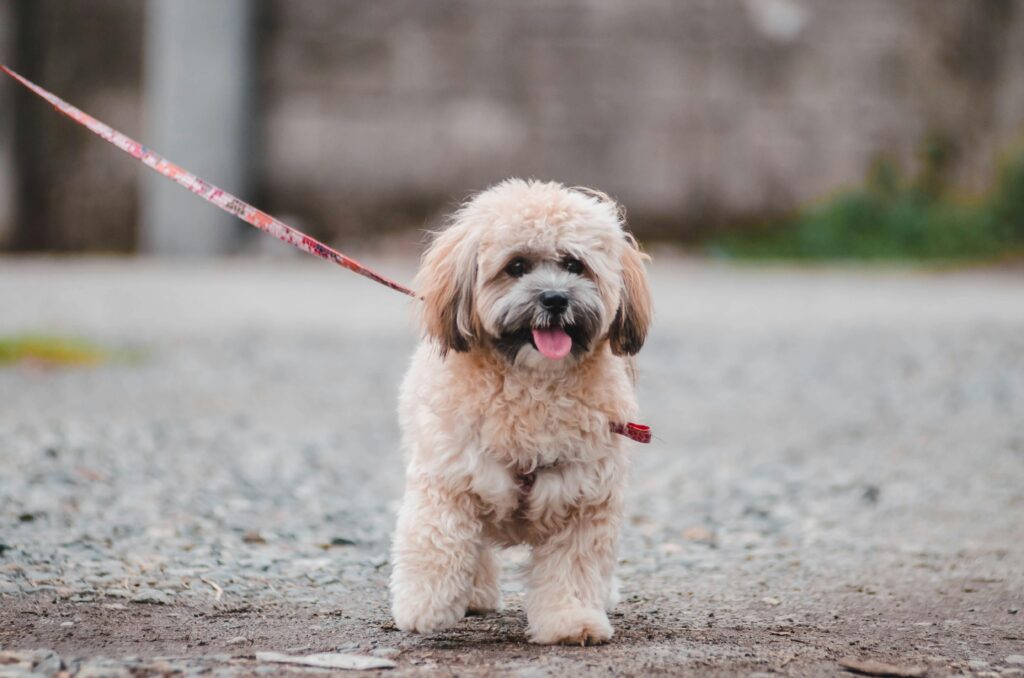
Training your puppy to walk calmly on a leash is one of the most valuable things you will teach him. A calm puppy on a leash is much less likely to get into danger; he will be easier to handle and enjoy going on a regular basis.
Additionally, a well-trained puppy will understand how to communicate with his owner. Many puppies have natural tendencies to pull, jump, stop and get distracted on a walk. If left untrained, it’s very easy for a puppy to develop undesirable behaviors as he gets bigger and stronger. Early leash training allows your puppy to establish a foundation of good walking behavior before he develops bad ones.
There are numerous advantages to teaching your puppy early leash training. He will be safer when walking, less stressed in crowded areas, and more obedient. The majority of puppies who receive proper leash training appear to be more confident and relaxed in unfamiliar settings.
Training a puppy to walk on a leash does not need to be stressful. With time, consistency, and reward-based techniques, it can be a wonderful experience for both the puppy and the owner.
Choosing the Right Leash and Collar
To begin successful leash training, selecting the right tools is crucial. Your puppy needs to feel secure and at ease when learning how to walk on a leash.
Flat Collars vs Harnesses
The buckle collar is basic, yet widely used for small ID tags and some leash training. Most puppies do fine with a flat collar if it fits properly.
A harness has been recommended for young puppies as it puts less strain on the neck and throat area than a traditional collar. Some front-clip harnesses can even aid in reducing pulling by encouraging the puppy to turn back towards its handler. Small breed puppies, those with sensitive necks, or puppies that tend to pull heavily would probably profit from using a harness during the training process.
Retractable Leashes Pros and Cons
Retractable leashes give your pup the ability to run further ahead of you, but they are not ideal for early leash training. This type of leash encourages pulling because the puppy learns that pulling on the leash gives him more room to roam.
Retractable leashes also minimize owner control over busy and potentially hazardous environments.
For the purpose of training, standard fixed length leashes (usually ranging from 4 to 6 feet) provide the best opportunity for communication and control.
Proper Fit and Safety
Your puppy’s collar or harness should fit snugly, but be comfortable enough that your puppy doesn’t mind wearing it. A too-loose collar can come off easily, whereas a too-tight collar can be uncomfortable.
It is advisable to be able to fit two fingers between your puppy’s body and the collar or harness.
Be sure to check your puppy’s equipment frequently, as he will grow rapidly within the first three to four months.
When to Start Leash Training
Training on a leash typically begins around 8 weeks of age. However, this time frame is often used for introducing the puppy to a collar, harness, and leash, rather than establishing perfectly behaved walking habits.
The sooner a puppy is introduced to these items, the less difficult future training will be.
Start slow. Have your puppy get accustomed to having the collar or harness on inside the house for brief intervals. Give them plenty of treats and praise while they have the item on. The idea here is to make sure your puppy thinks positively about all things related to a leash.
At some point after your puppy has grown accustomed to the items, lightly attach a leash to them while still inside. Once you’ve done that, move on to doing the same outdoors.
Short and casual training sessions work better than lengthy or stressful ones.
Step By Step Leash Training
Leash training should be gradual. A puppy learns best through repetition and rewards (positive reinforcement), and positive experience.
Introducing the Leash Indoors
Find a very quiet space within your home where there are few distractions. Attach the leash to your puppy and let him/her wander around while being watched over by an adult. Some puppies may react negatively to the leash. It’s common for puppies to fight the leash in the beginning. Use treats, toys, etc., to entice your puppy to take a step. Positive reinforcement of calmness while wearing/driving the leash is what we’re looking for now.
Rewarding Calm Walking
Now that your puppy is accepting of the leash, go for a walk together indoors. Hold the leash loosely and try to keep your puppy close to you. Immediately reward calm walking with either treats or praise. A puppy will learn much quicker if he/she receives a reward instantly upon performing the correct action.
Keep each training session no longer than 5 to 10 minutes so your puppy doesn’t get frustrated or lose interest.
Teaching Loose Leash Walking
Loose Leash Walking means your puppy is walking right next to you with out pulling on the leash. Loose Leash Walking is one of the most important aspects of training your puppy on a leash.
If your puppy starts to pull away from you, stop walking immediately. Don’t say anything. Just wait for your puppy to come back to you and then start walking again. Eventually, your puppy will understand that pulling on the leash gets him nowhere.
Anytime your puppy walks right next to you with his head up high and with a loose leash, give them lots of praise/treats. Consistency is key when teaching Loose Leash Walking.
Practicing Outdoors
You can start practicing walking your puppy outside once you both have mastered walking together indoors. Look for a quiet, safe place to take your puppy for their first walk. Outside brings many new sights, smells, noises, etc., that will distract your puppy. Stay calm, patient and remember to reward good behavior and loose leash walking. As your puppy becomes more confident/less distracted, you can gradually expose him/her to more distractions.
In addition to learning how to walk on a leash, going for walks also helps build socialization skills and builds confidence.
How to Stop Pulling on the Leash
Training your puppy to walk without pulling on a leash requires patience and persistence. Dogs will pull on leashes because they are interested in what is around them. Consistent training, however, will eventually get rid of this behavior.
Stopping Movement Technique
One way to train your dog to not pull on a leash is to stop moving when he does. Do not pull back on the leash; just stop walking. When he stops pulling and relaxes or looks up at you, then continue walking again. This way, he will associate pulling on the leash with no progression and calm walking with progression.
Redirecting Attention
Outdoor distractions (e.g., people passing by, dogs barking) tend to distract puppies. Treats, toys, and verbal cues (such as calling his name) are great ways to redirect your puppy’s attention. He also needs to be encouraged to look at you when you give him a command.
The reward of looking at you instead of focusing on something else around him can encourage him to listen better. Engaging regularly with your puppy creates a connection in his mind. It keeps him thinking about you during walks.
Rewards for Good Behavior
The secret to success with leash training is positive reinforcement. Whenever your puppy walks next to you calmly or responds to a command properly, reward him immediately. Rewards can include treats, praise, or even playtime. Dogs do what leads to a positive outcome. Therefore, it is very important to reward your puppy for having good walking behavior.
Common Puppy Leash Problems
It is normal for puppies to face some challenges during the leash training process. Knowing how to address these issues will enable you to handle them calmly and effectively.
Puppy Refuses to Walk
A few puppies freeze when they see the leash or when they’re taken outside. In many cases, this refusal to walk is due to a lack of certainty or fear, not stubbornness. Encourage your puppy gently with treats and praise if he refuses to move. Never drag or force him forward.
With repeated positive experiences, confidence typically develops in puppies who freeze when wearing a leash.
Excessive Pulling
Pulling is often the result of excitement, curiosity, and excess energy in puppies. Consistency is necessary in training puppies not to pull excessively. It is best to correct excessive pulling each time it happens to prevent confusing your puppy. Gradually improving behavior through regular practice and rewarding loose-leash walking is the best way to achieve this.
Leash Biting
Young puppies often view a leash as a toy and chew on it or tug on it. Give your puppy something interesting to think about with a treat or toy and then reward him for walking calmly instead of chewing on the leash. If your puppy continues to bite the leash, do not turn it into a game by pulling back on it.
Fear of the Outside World
Unfamiliar sights and noises (traffic sounds, crowds, bicyclists) may cause some puppies anxiety. Begin in a quiet area and gradually add more noise or distractions once your puppy becomes accustomed to being there. Permit him to take time getting familiar with the environment at his own pace. Patience and positive reinforcement will allow your puppy’s confidence level to grow gradually.
Conclusion
Beginning leash training early on will help establish great behavior (habits) with your puppy and prevent bad behavior from occurring. The long-term rewards of doing this outweigh the short-term frustration and time it may take to train.
The earlier you begin leash training, the sooner your puppy will be able to learn how to walk by your side without pulling or being too distracted. Consistent positive reinforcement, along with exposing your puppy to new areas and walking environments at a slow and steady pace, will allow them to grow into confident and calm walkers.
Each dog is going to learn at its own rate; therefore, patience is key when training your puppy. Repeatedly providing positive experiences as well as practicing regularly will lay the groundwork for fun, non-stressful walks for many years to come.
Related reading: Crate Training Tips for Puppies, Best Daily Routine for Dogs, Crate Training a Puppy: Complete Beginner Guide