
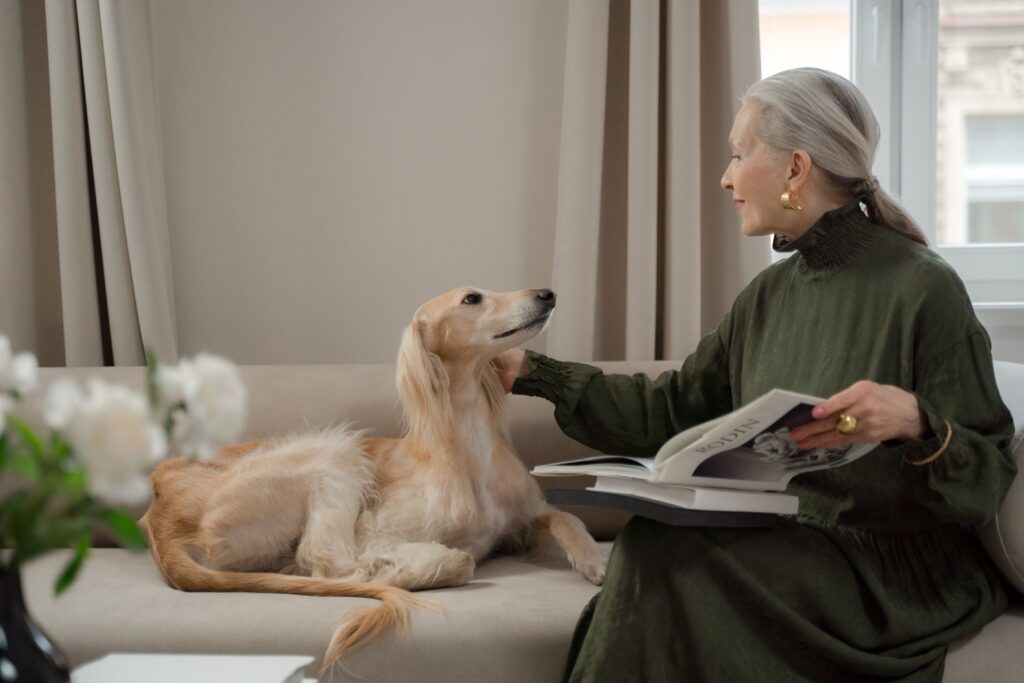
Taking care of your first older pet dog can be overwhelming. There will likely be noticeable differences in how much energy they have, in the degree of mobility, and in overall behavioral changes. Older dogs may not necessarily be sick; however, they require a certain amount of care that is different from what younger dogs receive. A large part of providing proper long-term comfort, activity levels, and mental stimulation to your senior dog depends upon adjusting daily routines slowly and focusing on comfort, prevention, and consistency.
Understanding When a Dog Becomes Senior
A dog typically enters senior status around age 7, but this can vary by breed and size. Larger dogs age faster while smaller dogs usually stay more active. Being senior is not just about age. It’s about changes in behavior, energy, and physical condition. You might see slower movement, longer rests, or reduced interest in vigorous play. Catching this stage early lets you adjust care before any problems start to develop.
Adjusting Diet and Nutrition
As a dog ages, its metabolic rate will decrease, in addition to changing nutritional requirements. Many senior canines would likely greatly benefit from eating an easier-to-digest food source that supports both joint and organ health.
Weight gain/loss has become very concerning with many senior canines. The potential of being obese as well as the possibility of rapid weight loss is extremely higher than other life stages. This makes portion control much more crucial.
In addition, some senior canines might require additional supplementation for digestive issues or joint problems. However, any additional supplementations should be done under the direction of your veterinarian.
Managing Exercise and Activity Levels
Senior dogs still need regular exercise, but intensity and duration need to be adjusted. Shorter and more frequent walks are better than long or high-impact activities. Low-impact movement helps maintain flexibility of joints and strength of muscles without putting them at risk of strain. Swimming is also a good gentle option for some dogs. The aim is consistency rather than high intensity; keeping bodies active without overdoing it.
Supporting Joint and Mobility Health
Joint stiffness is common with older dogs, particularly in bigger breeds. Stiffness typically shows as slower movement; it also shows as difficulty going up stairs, or not wanting to jump.
You can provide your dog with better bedding for them to be on at night; you can use a ramp for your dog instead of stairs; and you can put down non-slippery surfaces (for example, area rugs) to prevent slips and falls.
Your veterinarian will want to see your dog regularly so that they can continue to monitor your dog’s joint condition and catch early warning signs of potential arthritis or mobility problems.
Adapting the Home Environment
Small changes around the house can really enhance the quality of life for senior dogs. Placing soft bedding in quiet and warm areas helps them rest more comfortably. Slippery surfaces should be avoided, and easy access to food and water along with resting spots reduces strain on joints. Keeping their environment consistent also helps reduce confusion or stress as they get older.
Monitoring Health Closely
Senior dogs need monitoring more often. Small changes in appetite, behavior, or energy level can be early signs of something wrong underneath. Visits to the vet become very important even if your dog looks fine. Routine blood work and regular checkups help to spot problems early. Watch for things like coughing, increased thirst, or sudden changes in weight.
Dental Care for Older Dogs
Dental health is often neglected but becomes even more important for senior dogs. Dental disease can cause pain and difficulty eating and can also lead to other health issues. Depending on how your dog is doing, brushing teeth regularly, giving special treats for dental health, or professional cleanings might be recommended. Keeping good oral hygiene improves overall comfort and health.
Mental Stimulation and Cognitive Health
Older dogs can experience some mild cognitive changes such as confusion or reduced responsiveness. Keeping their minds active and engaged is important. Simple things like scent games, gentle training, or interactive toys can help maintain cognitive function. Consistent routines also reduce confusion and anxiety.
Managing Sensory Changes
As dogs age, hearing and vision can also decline. They may respond less to commands or be more careful in new places. Communication should be adapted by using clearer signals, consistent routines, and gentle guidance. Avoiding sudden changes or harsh corrections is also important because older dogs become more sensitive to stress.
Emotional Support and Comfort
Senior dogs tend to bond closer to their owners and seek extra comfort and reassurance. Emotional support is very important for their well-being. Spending calm time together strengthens trust and reduces anxiety. Many seniors prefer quiet companionship to high-energy interaction.
Timing Changes for Veterinary Care
As dogs grow older, veterinary care becomes proactive rather than reactive. Regular checkups manage chronic conditions and improve quality of life. Your vet might suggest changes in diet, medication, or lifestyle based on how your dog is doing. Early intervention is key to keeping dogs comfortable and avoiding complications.
Conclusion
Caring for an older dog for the first time involves making adjustments to accommodate the various aspects of how they are changing due to their age. Physical and behavioral changes occur as we grow older; however, these do not diminish a dog’s ability to experience joy from life.
If you provide adequate nourishment to your senior dog, allow them gentle physical activity, check their health regularly, and show love and support emotionally, your senior dog will live a happy, healthy, and comfortable life.