
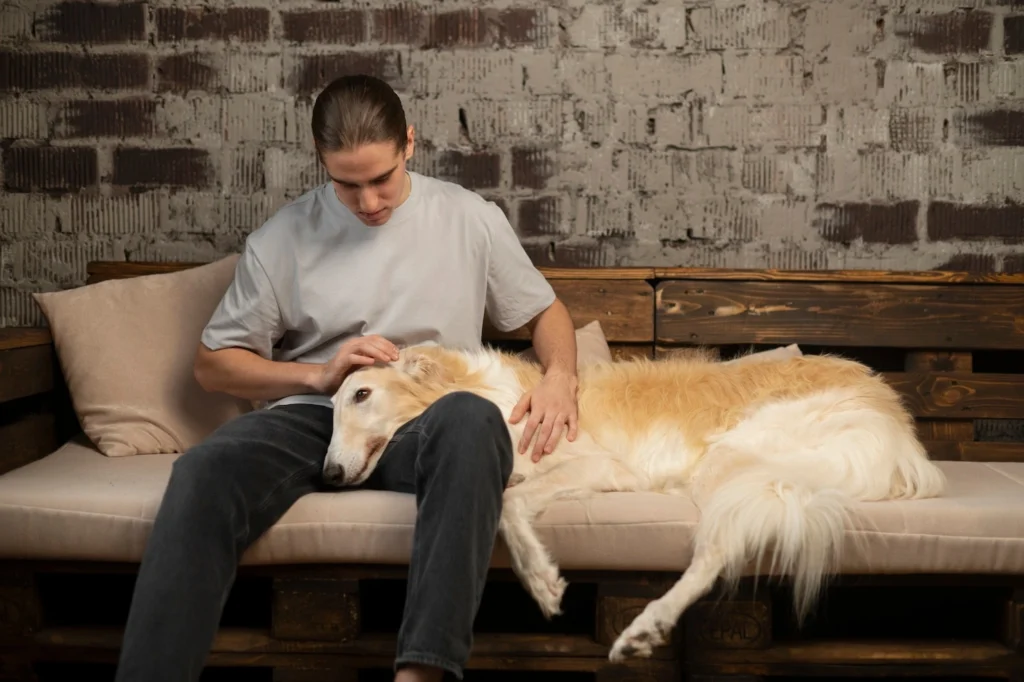
Separation anxiety occurs when dogs become stressed or nervous after being left alone for certain periods of time. Dogs naturally build strong emotional bonds with their owners and may struggle when those connections are temporarily interrupted. Anxiety can appear in different ways depending on the dog’s personality and experiences. Some dogs bark excessively, destroy objects, or pace around the house while feeling stressed. Understanding these signs helps owners recognize emotional difficulties early. Identifying the causes of anxiety allows owners to create better routines and support systems that help dogs feel safer and more secure.
Common Signs and Symptoms
Dogs experiencing separation anxiety often display behaviors that appear unusual or destructive. Excessive barking, whining, scratching doors, chewing furniture, and accidents inside the house are common signs of emotional distress. Some dogs may become restless before their owner leaves and follow them around constantly. Physical symptoms like drooling or heavy breathing can sometimes appear as well. Paying attention to these warning signs helps owners understand their dog’s emotional state more effectively. Early recognition is important because untreated anxiety may become stronger and more difficult to manage over time without proper support.
Reducing Anxiety Effectively
Reducing separation anxiety requires patience and gradual training techniques that build confidence over time. Begin by leaving your dog alone for short periods and slowly increase the duration. Creating a comfortable environment with toys and relaxing activities can reduce stress levels significantly. Avoid dramatic departures and arrivals because excessive attention may increase emotional dependence. Daily exercise and mental stimulation can also improve emotional balance by reducing extra energy. Positive reinforcement should always be used during training. With consistent routines and supportive care, many dogs gradually learn to stay calm and comfortable when left alone.
Related reading: Why Does My Dog Suddenly Become Clingy, Causes of Sudden Behavior Changes in Dogs, How Weather Affects Dog Behavior and Activity Levels