
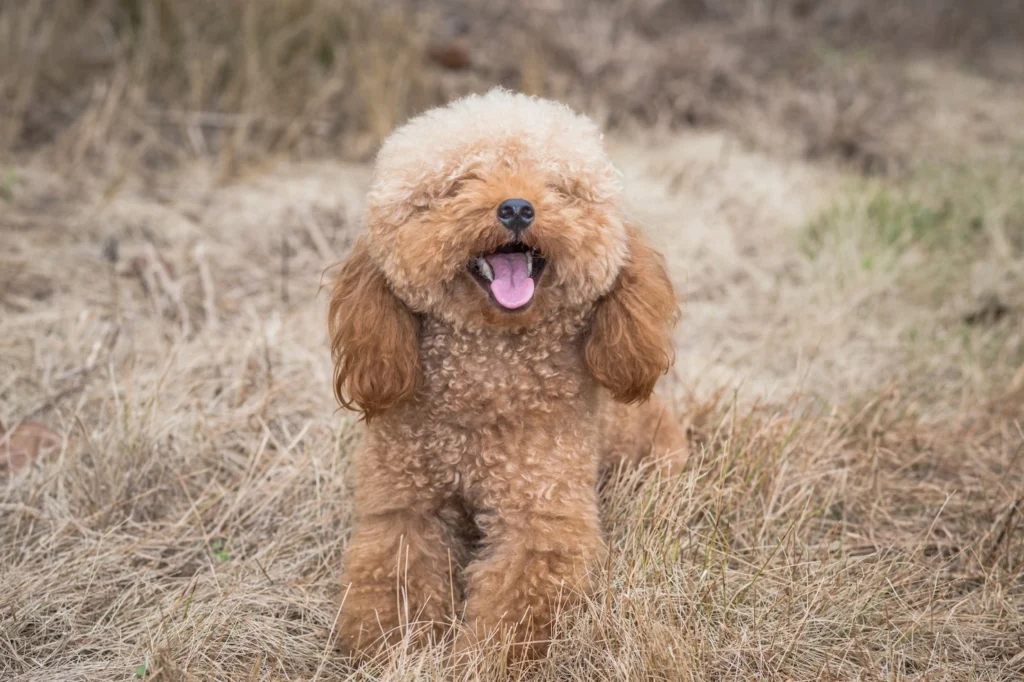
If you’ve spent any time around a Cavapoo, you already know the reputation is well earned. This Cavalier King Charles Spaniel and Poodle mix was bred specifically to be a companion, and it shows in almost everything they do, from the way they lean against your leg on the couch to how quickly they pick up on your daily routine. They’re not a purebred in the traditional sense, but they’ve become one of the most requested “designer” breeds in the country, and for good reason: they’re small, affectionate, generally low-shedding, and easy to fall in love with.
History and Origin
Cavapoos started showing up in Australia in the late 1990s, part of the same wave of intentional crossbreeding that gave us the Cockapoo and, later, the Labradoodle. Breeders were after a dog that combined the Cavalier’s gentle, people-focused temperament with the Poodle’s intelligence and coat that tends to shed less. There’s no single “official” bloodline the way there is with an AKC-recognized breed, since Cavapoos aren’t purebred and most kennel clubs don’t register them, but reputable breeders have spent two-plus decades refining the cross for temperament and health.
Appearance and Physical Characteristics
Cavapoos are small dogs, usually somewhere between 9 and 25 pounds and standing 9 to 14 inches at the shoulder, though the exact size depends heavily on whether a Toy or Miniature Poodle was used in the cross. Coats vary too: some Cavapoos have loose, wavy fur closer to the Cavalier side, while others end up with the tighter curls associated with Poodles. Color-wise, you’ll see everything from solid gold and apricot to black-and-white or tricolor combinations, since both parent breeds carry a wide range of coat colors.
Cavapoo Temperament
This is where the breed really sells itself. Cavapoos are affectionate almost to a fault, they genuinely want to be near their people, and most develop a strong attachment to the whole household rather than fixating on just one person. They tend to be gentle, eager to please, and quick to read the emotional temperature of a room, which is part of why they show up so often as emotional support and therapy dogs. Early socialization still matters. A Cavapoo that’s only ever met three people and one dog will likely be more anxious around strangers than one that’s been gradually introduced to new faces, sounds, and situations as a puppy.
Are Cavapoos Good Family Dogs?
Generally, yes, and it’s usually the first reason people go looking for one. Their small size makes them manageable in apartments and houses alike, and their patience tends to hold up well around kids, provided the kids are taught to handle a small dog gently. They also tend to do fine with other dogs and cats when introductions are handled properly. The one thing to watch for is separation anxiety. Because Cavapoos bond so closely with their families, some struggle when left alone for long stretches, so this isn’t the best match for a household that’s empty from 7 a.m. to 7 p.m. with no plan for midday company.
Exercise Requirements
Cavapoos need daily activity, but not a marathon’s worth. A couple of short-to-moderate walks plus some indoor play or a game of fetch in the yard is usually enough to keep an adult Cavapoo content. Mental stimulation matters just as much as physical exercise for this breed; puzzle toys, short training sessions, and new environments to sniff around in all help prevent the boredom-driven chewing or barking that can crop up in an under-stimulated dog.
Training and Socialization
Between the Poodle’s intelligence and the Cavalier’s eagerness to please, Cavapoos are generally easy to train compared to a lot of small breeds. Positive reinforcement, treats, praise, and consistency, tends to work far better than any kind of correction-based approach, and most Cavapoos pick up basic obedience commands within a few weeks of regular short sessions. Housetraining can take a bit more patience, as it often does with smaller dogs that have smaller bladders, so a consistent schedule and a crate-training routine will save you a lot of frustration in the first several months.
Grooming and Shedding
Most Cavapoos are considered low-to-moderate shedders, which is part of the appeal for allergy-sensitive households, though “low-shedding” isn’t the same as “hypoallergenic,” and no dog is truly allergen-free. Coat maintenance depends on which parent’s coat type dominates. Wavier coats usually need brushing two to three times a week to prevent mats, while curlier coats often need it closer to daily, plus a trim every six to eight weeks. Regular ear checks are worth building into the routine too, since their floppy ears can trap moisture and lead to infections if ignored.
Common Health Considerations
Cavapoos are generally healthy, but crossbreeding doesn’t erase the health issues either parent breed is prone to. Cavalier King Charles Spaniels carry a higher-than-average risk for mitral valve disease and syringomyelia, while Poodles are more prone to patellar luxation and certain eye conditions. A responsible breeder will screen for these where possible, and a family veterinarian can help you build a monitoring plan from puppyhood on, particularly around heart health as the dog ages. With good care, a Cavapoo’s typical lifespan runs between 12 and 15 years.
Diet and Nutrition
A high-quality diet formulated for small breeds covers most of a Cavapoo’s nutritional needs. Because they’re prone to weight gain if overfed, especially once they’re past the puppy stage and exercise levels naturally taper off a bit, it’s worth measuring meals rather than free-feeding and being mindful about treat quantities during training sessions. Your veterinarian is the best resource for adjusting portions as your dog moves from puppy to adult to senior food.
Living With a Cavapoo
Day to day, most owners describe Cavapoo life as easygoing. They adapt well to apartment living, don’t typically bark excessively, and their moderate exercise needs make them a realistic fit for people who want a dog but don’t have the time or space for something like a Border Collie or Husky. The tradeoff is that they genuinely want to be included in whatever you’re doing, so if you’re gone constantly, you’ll want a plan, whether that’s a dog walker, doggy daycare, or a second dog for company.
Cavapoo Puppies
Cavapoo puppies are bundles of curiosity, and the early months are the best window for socialization and basic training. Look for a breeder who health-tests both parent lines and lets you meet the puppy’s mother, since temperament and health both have a genetic component worth seeing firsthand. Expect a fair amount of puppy energy and short attention spans at first; consistency in the first six months sets the tone for the calmer, well-mannered adult most owners end up with.
Is a Cavapoo Right for You?
A Cavapoo tends to make the most sense for someone who wants a small, affectionate companion dog and can offer regular company, whether that’s a couple, a family with school-age kids, or a retiree looking for a devoted sidekick. It’s a tougher fit for a household that’s away for long hours every day with no backup plan for company, since separation anxiety is the breed’s most common behavioral hurdle.
Conclusion
The Cavapoo earns its popularity honestly. It’s a small, affectionate, generally healthy companion breed that adapts well to most households willing to give it attention and regular grooming. They’re not the right fit for every lifestyle, particularly ones with long stretches of alone time, but for a family or individual looking for a loyal, people-oriented dog, it’s easy to see why the Cavapoo has become such a sought-after mix.
FAQs
Are Cavapoos hypoallergenic?
Not entirely. They tend to shed less than many breeds, which helps some allergy sufferers, but no dog is completely allergen-free, so it’s worth spending time with one before committing if allergies are a concern.
How big does a Cavapoo get?
Most adults land between 9 and 25 pounds and 9 to 14 inches tall, though the range depends on whether a Toy or Miniature Poodle was used in the original cross.
Do Cavapoos bark a lot?
Generally no, they’re not known as an excessively vocal breed, though like any dog, boredom or anxiety from being left alone too long can lead to more barking than usual.
Related reading: Golden Retriever Breed Guide, best age to start puppy training, how to socialize a puppy properly