
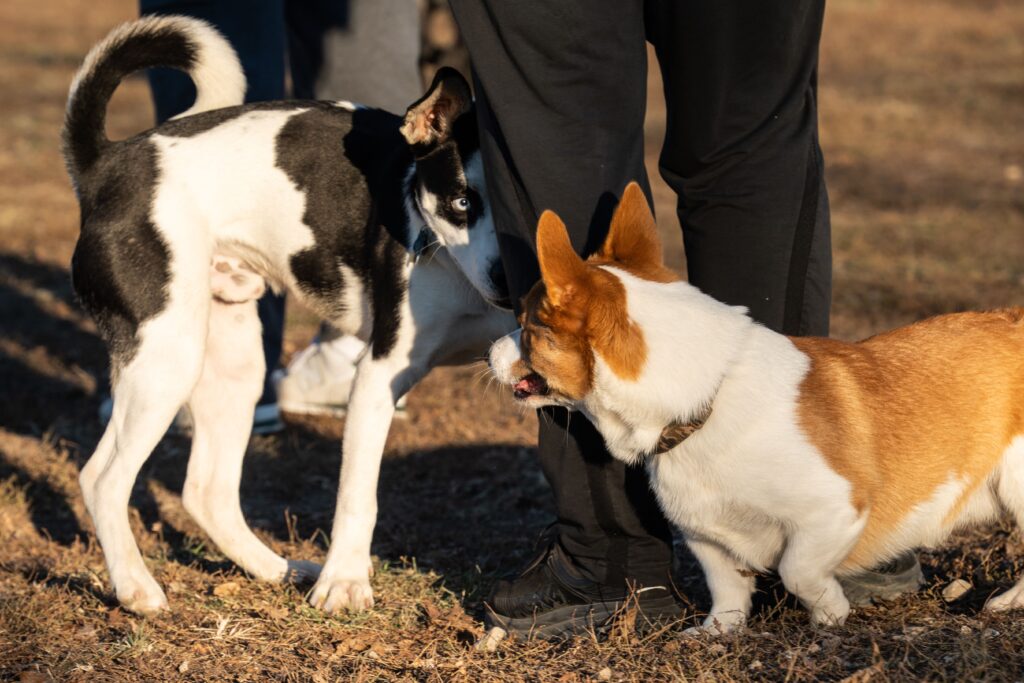
Jealous behaviors can arise in dogs due to their perception of an imbalance in attention given by their owners. This could result from competing for attention with other pets, people, or simply due to changes in a dog’s daily routine. Pushing into a space where their owner is interacting with someone else, whining, physically intervening (blocking) others from getting attention, or acting out while the owner transitions between individuals. Although the frustration caused by these behaviors can be overwhelming, they typically are based on a sense of insecurity rather than jealousy as we understand it. With proper boundaries, consistency in application, and providing a structured environment for both the dog and its owner, managing jealous behaviors will likely prove effective.
Understanding Jealous Behavior in Dogs
While dogs don’t express jealousy like humans, they will exhibit behaviors we call resource guarding and emotional rivalry for attention. A dog may respond when they feel the availability of their primary caregiver is being diminished or potentially disrupted, thus leading them to take action to get that attention back.
An example would be if you were petting one dog while the other was watching. Or holding your new baby in front of an older dog. Another could be when guests come over. In most cases, these behaviors are due to a lack of clarity of where each dog fits into the pack’s social hierarchy.
If you understand why dogs behave this way, it helps change the mindset from punishing behavior to guiding behavior.
Common Signs of Jealous Behavior
Jealous behavior can appear in different forms depending on the dog’s personality. Some dogs become vocal, while others become physically intrusive.
Common signs include:
- Pushing between you and another person or pet
- Barking or whining when attention is given elsewhere
- Jumping up during interactions
- Bringing toys or objects to interrupt attention
- Sudden clinginess when you focus on something else
These behaviors are usually attempts to redirect attention back to themselves.
Why Jealous Behavior Develops
Inconsistent attention or ambiguous borders are often causes of jealousy-type behaviors in dogs. Routine and predictability are what allow dogs to develop and grow.
When a dog finds out that its actions (such as jumping up, barking, or interrupting) result in getting attention, regardless of whether it’s positive or negative, the behavior will likely be repeated at an increased frequency.
New additions to the family such as other pets or people may cause insecurity in some dogs.
Other times, a lack of adequate mental stimulation and/or not providing enough independent training can lead to this type of behavior in dogs.
Avoiding Unintentional Reinforcement
One of the biggest errors owners tend to commit is unknowingly giving their dogs a reason to think jealous behavior was rewarded. Even yelling at your pet or pushing them away could still be perceived as some sort of attention.
Anytime a dog receives any type of response after interrupting, such as a voice, eye contact, or other form of interaction, they will learn that this is an acceptable way to receive the reaction you want from your pet.
You should always attempt to avoid reacting to behaviors with the intent of ignoring attention-seeking and only rewarding your pets for remaining calm when there are no distractions.
Teaching Calm Alternatives
Replacing unwanted behavior with calm alternatives is key. Instead of reacting when your attention is elsewhere, your dog should learn what to do instead.
Encourage behaviors like:
- Sitting quietly nearby
- Going to their bed or designated spot
- Holding a calm position during interactions with others
Reward these behaviors consistently. Over time, your dog learns that staying calm brings attention, while interrupting does not.
Building Independence
If a dog relies too much on receiving your direct focus, they will be more likely to display jealous behaviors. The best way to help dogs become less dependent on people is to encourage independence through gradual separation from you.
Begin by separating yourself from your dog for brief time frames, allowing them to remain inactive and in an area of your home without engaging with them while you walk about the house. During those brief time frames, provide your dog with various types of toys, chewing items, or other structured activities designed to keep your dog busy and distracted so that they don’t need to interact with you constantly.
Managing Multi-Pet Situations
Jealous behavior tends to become more obvious in households with multiple dogs. Dogs might compete for your attention or shared resources. To handle this, it is important to give each dog individual attention separately rather than always together. This reduces competition and makes each dog feel safe toward you. Structured sessions for feeding, training, and play also help achieve balance and reduce rivalry.
Staying Consistent with Boundaries
Consistency with respect to jealousy is very important when training your dog. A dog that receives mixed messages will become confused by those messages and may continue to perform unwanted behaviors.
When a behavior is unacceptable, it must never be rewarded at times and ignored at others. Everyone in the home needs to enforce the same set of rules to avoid confusion. Creating clear boundaries for the dog helps him know what he is supposed to do and therefore reduces his emotional uncertainty.
Increasing Mental and Physical Stimulation
A bored dog may seek out additional attention, as boredom increases a dog’s need to be active and involved with people.
Dogs are often more relaxed when they have a full day of mental and physical stimulation, and therefore will be less competitive in seeking out attention from people.
A daily walk, along with regular training sessions and other forms of interaction (such as fetch), can provide your dog an outlet to burn off excess energy.
Puzzle toys or other scent games can keep your dog mentally stimulated, which will prevent them from developing behavioral issues such as destructive behavior.
When Jealous Behavior Becomes a Concern
Mild attention-seeking is normal, but it becomes a concern when it escalates into aggression, anxiety, or destructive behavior.
You should pay attention if your dog shows:
- Growling or snapping when attention is redirected
- Extreme anxiety when separated from you
- Persistent inability to settle without attention
- Escalating interference with daily routines
In such cases, professional behavioral support may be helpful.
Conclusion
Jealousy in dogs is generally caused by insecurities about how much attention the pet will receive and also an insecure feeling of needing constant attention from the owner; however, true emotional jealousy does exist, but this is rare. In most cases, insecurity based on jealousy develops as a result of a lack of consistent rules or boundaries with respect to the dog’s behaviors. A great example of where inconsistency may lead to the development of jealousy is when a family member leaves and then returns. The dog has no way of understanding what has occurred. They develop anxiety about their owners being gone.
The best way to address jealousy in pets is to establish clear boundaries and to teach them that there are times they should be left alone. Consistency is key. Once a set of guidelines has been established, you can begin to ignore attention-seeking behaviors and reinforce positive, calm behaviors.