
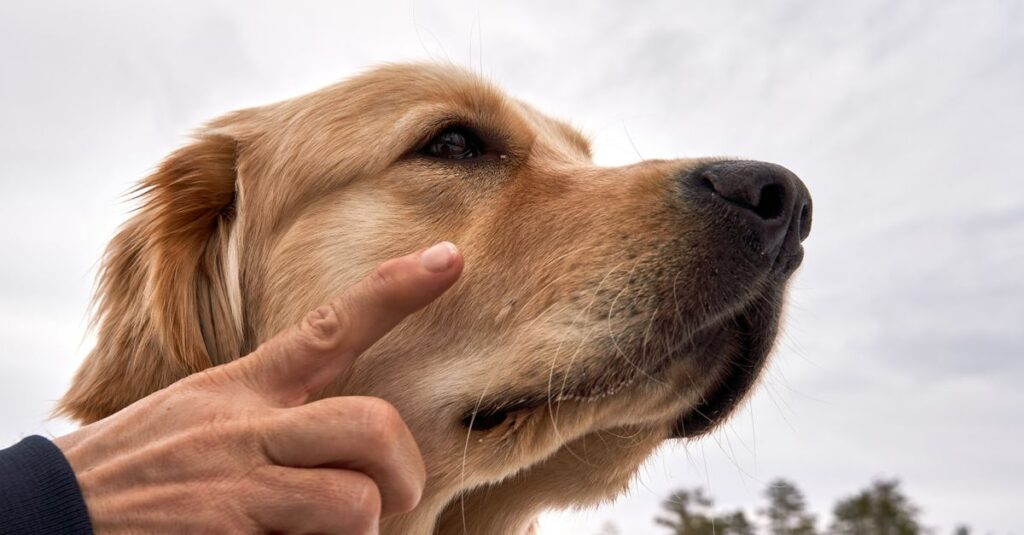
Golden Retrievers have consistently been recognized as one of the most trainable breeds, thanks to a combination of high intelligence, strong response to food and praise, and a genuine desire to please their owners. But “easy to train” doesn’t mean “trains itself”, Golden Retriever puppies bring their own specific challenges, including a famously long adolescent phase and a strong mouthiness that needs early, consistent guidance. If you’re still deciding whether the breed is right for you, our Golden Retriever breed guide covers temperament and care in more depth.
Building a solid training foundation in the first several months sets up a lifetime of good habits in a breed that, left untrained, can become a large, overly excitable dog that jumps on guests and pulls hard on the leash.
Start With Basic Obedience Early
Golden Retriever puppies can start learning basic cues like sit, down, stay, and come as early as 8 weeks old, using short, positive-reinforcement sessions of just a few minutes at a time. Their strong food drive makes treat-based training especially effective, though it’s worth mixing in praise and play as rewards too, so your dog doesn’t become overly reliant on food to perform.
Consistency across the household matters enormously with this breed’s people-pleasing nature. Use the same cue words and hand signals every time, and make sure everyone in the family enforces the same rules, this helps your puppy generalize commands quickly rather than getting confused by mixed messages.
Manage Mouthiness and Retrieving Instincts
Golden Retrievers were bred to carry game gently in their mouths, and that instinct shows up early as a strong drive to chew, mouth, and carry objects, including hands and clothing. Redirect this instinct constructively by keeping appropriate chew toys available at all times, and calmly swap in a toy whenever your puppy starts mouthing skin or furniture, rather than simply saying no without offering an alternative.
Channel their natural retrieving drive into structured games like fetch early on, which doubles as physical exercise and a way to reinforce a reliable “drop it” or “give” cue, both genuinely useful commands for a breed that loves to pick things up.
Socialize Extensively and Early
The window between roughly 3 and 14 weeks of age is critical for socialization, and Golden Retriever puppies benefit enormously from positive exposure to a wide variety of people, dogs, environments, sounds, and handling experiences during this period. Puppy socialization classes, safe supervised playdates, and calm exposure to everyday situations like car rides, vet visits, and grooming handling all build a confident, well-adjusted adult dog.
Because Goldens are naturally people-oriented and eager to interact, they can sometimes become overly excitable or jump on people in greeting if this enthusiasm isn’t shaped early. Teaching a solid “sit for greeting” habit from puppyhood prevents this from becoming an ingrained, harder-to-fix adult behavior.
Prepare for a Long Adolescent Phase
Golden Retrievers, like many larger breeds, go through an extended adolescent period, often from around 6 months to 2 or even 3 years of age, during which previously solid training can seem to regress as hormones and independence-testing kick in. This is developmentally normal, not a sign that earlier training failed, it simply means consistency needs to continue well past the cute puppy phase.
Enrolling in a structured puppy class, followed by an intermediate or adolescent-focused obedience class, gives your Golden Retriever continued mental stimulation and reinforcement through this challenging stretch, and helps prevent the common pattern of training tapering off just when a growing, increasingly strong young dog needs it most.
Mental Stimulation Beyond Basic Obedience
Golden Retrievers are intelligent working dogs at heart, and basic obedience alone often isn’t enough to fully satisfy their mental needs. Puzzle feeders, scent work games, and structured retrieving sessions give this breed the kind of mental workout that complements physical exercise and reduces boredom-driven behaviors like excessive chewing or digging.
Many Golden Retriever owners find success introducing their dog to a specific dog sport, such as obedience competition, dock diving, or nose work, once basic training is solid. Beyond the fun factor, these activities build on the breed’s natural retrieving and cooperative instincts, reinforcing training in a genuinely engaging context rather than repetitive drilling alone.
Building a Reliable Recall
A strong recall is one of the most valuable skills to build early in a Golden Retriever puppy, both for safety and for enjoying off-leash time later on. Start in a low-distraction indoor space, using an enthusiastic tone and a high-value reward every single time your puppy comes when called, gradually increasing distraction level and distance as reliability builds.
Never call your puppy to you for something unpleasant, like ending playtime or a bath, since this can slowly poison the recall cue itself. Instead, go get your puppy for those moments, reserving the recall cue exclusively for positive, rewarding outcomes throughout their training.
Conclusion
Golden Retrievers bring natural trainability, eagerness to please, and genuine intelligence to the table, but they still need early, consistent obedience work, careful management of their mouthy retrieving instincts, and thorough socialization to become the well-rounded adult dog the breed is famous for. Their extended adolescence means training needs to continue well past puppyhood.
Invest in that consistency early, and you’ll be rewarded with one of the most reliably wonderful companions in the dog world.
Related Reading
potty pad training basics, crate training a new puppy overnight, other famously friendly breeds
FAQs
At what age should Golden Retriever training start?
You can begin basic training as early as 8 weeks old, using short, positive sessions alongside early socialization.
Why is my Golden Retriever puppy so mouthy?
Mouthing was a key trait in the breed’s history, Golden Retrievers were bred to retrieve game gently, so it takes some redirection to steer your pup from undesirable objects toward suitable chew toys.
Do Golden Retrievers need professional training classes?
They aren’t strictly necessary given how trainable the breed is, but structured puppy and adolescent classes offer valuable socialization and help you stay consistent.