
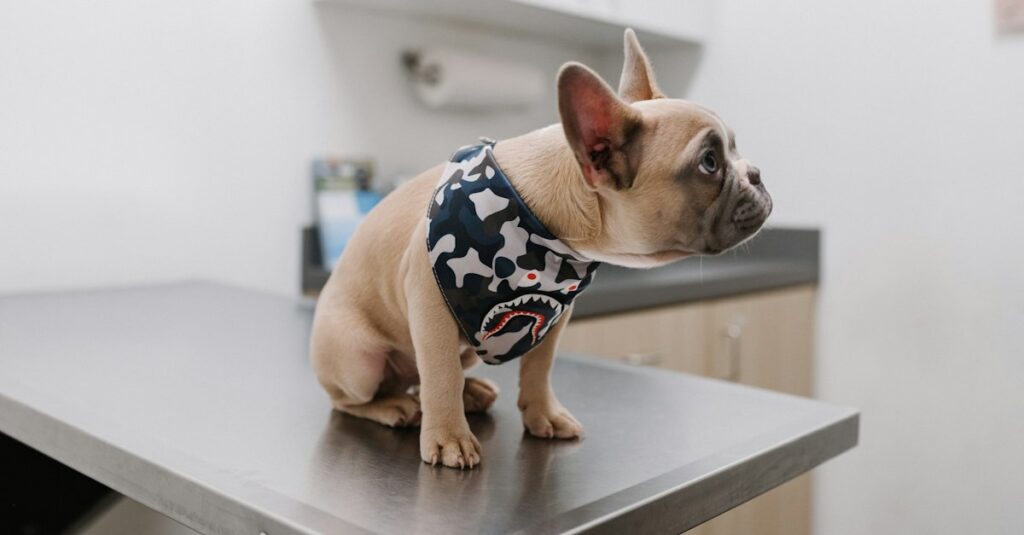
This puppy vaccination chart shows which shots puppies need and when they need to be given. It covers a puppy’s visits to the veterinarian from approximately 6 to 8 weeks of age until the booster at about 16 months. Use the generator below to create a version of this chart based on the actual birth date of your puppy. Once you have your personalized chart, you can print it out and bring it to your veterinarian.
With a puppy shot series, the timing matters as much as the vaccines. Shots given too early can be cancelled out by the antibodies a puppy gets from its mother. Shots given too late leave the puppy exposed for weeks to diseases such as parvovirus, which are common, hardy and often fatal.
Puppy Vaccination Schedule Generator
Enter a birth date to turn the standard chart into real dates for your puppy.
Lifestyle (tick any that apply)
Dates follow the American Animal Hospital Association canine vaccination guidelines. Your vet may adjust them for your area, your puppy’s health and local rabies law.
Puppy Vaccination Chart by Age
| Puppy’s age | Core vaccines (every puppy) | Lifestyle vaccines (if at risk) |
|---|---|---|
| 6 to 8 weeks | DAPP, first dose | Bordetella |
| 10 to 12 weeks | DAPP, second dose. Leptospirosis, first dose | Canine influenza, Lyme (first doses) |
| 14 to 16 weeks | DAPP, final puppy dose at 16 weeks or later. Rabies. Leptospirosis, second dose | Canine influenza, Lyme (second doses) |
| About 16 months | DAPP booster. Rabies booster. Leptospirosis | Yearly boosters as needed |
| Adult dog | DAPP every 3 years. Rabies every 1 to 3 years, as the law requires. Leptospirosis yearly | Bordetella, influenza and Lyme yearly if still at risk |
The key rule from the American Animal Hospital Association (AAHA) guidelines: DAPP doses are given every 2 to 4 weeks, and the last puppy dose must be given at 16 weeks of age or older. A puppy that starts at 6 weeks may need four doses, and one that starts at 8 weeks usually needs three.
Core Puppy Shots: What Each One Protects Against
| Vaccine | Disease | Why it matters |
|---|---|---|
| Distemper | Canine distemper virus | Attacks the lungs, gut and nervous system. Often fatal, and survivors can have lifelong nerve damage. |
| Adenovirus | Infectious canine hepatitis | Damages the liver, kidneys and eyes. |
| Parvovirus | Canine parvovirus | Severe vomiting and bloody diarrhea. Survives in soil for months. Most dangerous to puppies under six months. |
| Parainfluenza | Canine parainfluenza virus | One of the causes of kennel cough. |
| Rabies | Rabies virus | Always fatal once signs appear and can pass to people. Required by law in most places. |
| Leptospirosis | Leptospira bacteria | Spread in the urine of wildlife and rodents through water and soil. Causes kidney and liver failure and can infect people. |
Leptospirosis used to be listed as a lifestyle vaccine. In 2024 AAHA updated its guidelines to recommend it as a core vaccine for all dogs, because cases now turn up in city dogs as well as rural ones. Some charts, including older ones from the AKC, still show it as optional, so ask your vet what is recommended locally.
Lifestyle (Non-Core) Vaccines: Does Your Puppy Need Them?
| Vaccine | Consider it if your puppy will | Doses |
|---|---|---|
| Bordetella (kennel cough) | Go to boarding, daycare, grooming, dog parks or group classes | One dose from about 8 weeks, then yearly |
| Canine influenza | Mix with many dogs, especially where outbreaks have been reported | Two doses 2 to 4 weeks apart, then yearly |
| Lyme disease | Live in or travel to tick areas | Two doses 2 to 4 weeks apart, then yearly |
| Rattlesnake toxoid | Hike or live in rattlesnake country | Ask your vet. Protection is partial and a bite is still an emergency |
Lifestyle vaccines are worth a real discussion instead of just saying yes to everything. Your veterinarian needs to know where the pup is going to go: the training class that you have booked, the lake you plan on swimming in, or the kennel you use at holidays. Many boarding kennels and training schools require proof of a Bordetella vaccine before accepting a dog, so be sure to ask about their rules before making a booking.
Why Puppies Need Several Rounds of Shots
Newborn puppies take in protective antibodies from their mother’s first milk. Those antibodies protect the puppy for the first weeks of life, but they can also block a vaccine from working. The time it takes for them to fade varies with each puppy, generally from approximately 6 to 16 weeks, and there is no simple way to tell when a specific puppy has lost them.
The series solves this problem. Each dose is another opportunity to catch the moment when the mother’s antibodies have dropped low enough for the vaccine to work. This is the reason the last dose, at sixteen weeks or later, is the most important one; it is also why stopping the series after two rounds because the puppy seems healthy can leave a serious gap in protection.
Can My Puppy Go Outside or to Class Before the Shots Are Finished?
Yes, with caution. The prime socialization period closes at around fourteen to sixteen weeks, just as the vaccine series ends, so if you wait until the final shot before introducing your puppy to the world, that time will have been missed. Puppies that see too little of the world in those weeks are much more likely to become fearful adults, and behavior problems are a bigger threat to most dogs than infectious disease.
The American Veterinary Society of Animal Behavior says puppies can start socialization classes as early as 7 to 8 weeks of age, as long as they have had at least one set of vaccines and a first deworming at least 7 days before the first class, and stay up to date after that.
- Fine before the series is finished: your own garden, friends’ homes with healthy vaccinated dogs, a puppy class that checks vaccine records, being carried through busy places.
- Wait until about two weeks after the final shot: dog parks, pet store floors, kennels, and anywhere unknown dogs toilet.
For how to do it well, see how to socialize a puppy properly and the puppy training schedule by age.
What If My Puppy Misses a Shot?
A late dose is definitely not a major crisis, and the series does not have to start again. Schedule the next appointment with your veterinarian as soon as possible, and they will pick up right where your puppy left off and finish the series, with the final dose given at sixteen weeks or older. A puppy that is already over sixteen weeks old with no vaccines normally gets two rounds a few weeks apart.
Rescue puppies with unknown histories are treated as unvaccinated, which is safe: an extra dose does no harm. Choose the second option in the generator above and it will build a catch-up puppy vaccination chart starting from today.
Side Effects and When to Call the Vet
- Common and mild, for a day or two: sleepiness, a sore spot or small lump where the needle went in, a slight fever, eating a little less.
- Call the vet the same day: vomiting or diarrhea more than once, a lump that grows or is still there after three weeks, a puppy that will not eat for 24 hours.
- Emergency, go now: swelling of the face or muzzle, hives, trouble breathing, collapse. These signs of an allergic reaction usually start within minutes to a few hours.
Serious reactions are rare. If you are worried, book the appointment for a morning when you will be home afterwards, and wait at the clinic for 15 minutes after the injection before leaving. Also tell your veterinarian about any past reaction, so the next visit can be planned around it.
How Much Do Puppy Shots Cost?
The American Kennel Club puts the average cost of the core puppy series at about $75 to $100, with a rabies vaccine usually $15 to $20. Prices vary a lot by region and clinic. Shelters and low-cost vaccine clinics often charge less, and some offer shots for free.
Ask if the price is per vaccine or per visit, as most clinics charge an exam fee each time in addition to the vaccinations. Many offer a puppy package that includes the exams, the full series, deworming and a microchip for one payment; this is typically cheaper than paying visit by visit. Keep the printed chart and your veterinarian’s stickers together, because kennels, trainers and groomers will ask to see them.
Related Reading
- How to Socialize a Puppy Properly
- Ways to Reduce Stress During Vet Visits
- Best Age to Start Puppy Training
- German Shepherd Puppy Guide
- Puppy Feeding Schedule Guide
FAQs
What shots do puppies need and when?
Puppies need the DAPP combination vaccine (distemper, adenovirus, parvovirus and parainfluenza) every 2 to 4 weeks from 6 to 8 weeks of age until 16 weeks or older, a rabies vaccine at 12 to 16 weeks as local law requires, and two leptospirosis doses from 12 weeks. Boosters follow about a year later.
How many rounds of shots does a puppy need?
Most puppies need three rounds of DAPP, at about 8, 12 and 16 weeks. A puppy that starts at 6 weeks may need four. The number is less important than the timing of the last one, which must be given at 16 weeks of age or later to be sure it works.
What is the 5-in-1 vaccine for puppies?
The 5-in-1, also labelled DHPP or DAPP, is one injection that protects against distemper, two types of adenovirus (hepatitis and a respiratory form), parvovirus and parainfluenza. It is the core puppy vaccine and is repeated every 2 to 4 weeks until the puppy is at least 16 weeks old.
When is a puppy fully vaccinated?
A puppy is considered fully protected about two weeks after the final DAPP dose, which is given at 16 weeks or later, so usually at around 18 weeks of age. Rabies and leptospirosis also need to be complete. Until then, avoid dog parks and other places where unknown dogs gather.
Can I vaccinate my puppy myself?
Some core vaccines are sold over the counter in certain places, but rabies must be given by a veterinarian by law, and home-given shots are often not accepted as proof by kennels, trainers or authorities. A vet visit also includes a health check, which catches problems a vaccine cannot.
Do indoor puppies still need all their shots?
Yes. Parvovirus and distemper can be carried into the home on shoes and clothing, rabies vaccination is a legal requirement in most areas regardless of lifestyle, and almost every dog will visit a vet, groomer or kennel at some point. The core vaccines are recommended for every puppy.